
How noisy is an air source heat pump?
An air source heat pump makes a low, steady sound from its outdoor fan and compressor, rather than the sudden noise of a boiler firing. With careful positioning, suitable settings and correct installation, it should not dominate normal conversation or become an intrusive part of life at home.
An air source heat pump is not silent, but a correctly sized and installed system should produce a controlled background sound rather than dominate the home or garden. Most of the noise comes from the outdoor fan and compressor. The level changes as the system responds to the heating demand, outdoor temperature and hot water requirements.
The outdoor unit produces several different sounds. The fan moves air across the heat exchanger, while the compressor raises the temperature of the refrigerant. You may hear the fan speed increase during colder weather or when the system is recovering the temperature of the hot water cylinder. A short change in tone can also occur during a defrost cycle, when the unit clears ice from the heat exchanger.
Those sounds are usually more noticeable close to the unit than inside the house. The indoor equipment is generally quieter, although the circulation pump, valves and water movement can still be heard if the cylinder and controls are installed in a cupboard beside a bedroom or living space. Poorly supported pipework can transmit vibration through walls, floors and cupboards, making a system seem louder than the outdoor unit itself.
A sound figure on a product sheet needs some context. Manufacturers measure noise under stated conditions, at a stated distance and in a particular operating mode. Your experience depends on the unit’s output, fan speed, weather, distance from the house and the surfaces around it. A wall, fence or paved area can reflect sound towards a window instead of allowing it to disperse.
This matters on older properties. A solid wall, barn conversion or listed building may have fewer suitable positions than a modern house. A narrow passage can reflect sound, while a lightweight structure can allow vibration into a room. A unit placed directly beneath a bedroom window may be technically possible but still be the wrong choice for daily comfort.
We deal with noise during the design survey, not after installation. We look at bedroom and living-room windows, neighbouring properties, boundaries, reflective walls and the route for the heating pipework. We also consider where the unit will be seen, accessed and maintained. If the first position creates an avoidable noise problem, we assess another position before the quotation is prepared.
The unit needs adequate airflow around it, so placing it in a tight enclosure is not a reliable way to reduce sound. We use a suitable base and allow the clearances required by the equipment. The base must be stable and level, and the installation must prevent unnecessary vibration passing into the building. Pipework and internal equipment also need proper support rather than being left to rattle against timber, masonry or service cupboards.
System sizing affects noise as well as running performance. A heat pump that is too small may need to work harder or use higher output for longer periods. One that is too large can cycle more often than necessary. We assess the heat loss of the property, the insulation, the windows, the radiators and the hot water demand before choosing the equipment. That gives the system a better chance of operating at steady, lower fan speeds instead of repeatedly making large changes in output.
Radiator and pipework changes can also affect what you hear indoors. A radiator that is too small may require higher water temperatures, while restricted pipework can increase pump noise. Where an older system needs upgrading, we identify those changes as part of the heat pump design rather than treating the outdoor unit in isolation.
Some simple choices can reduce the chance of nuisance.
- Keep the outdoor unit away from bedroom windows where the property layout allows it.
- Avoid positioning it in a narrow recess or between hard surfaces that reflect sound.
- Use a suitable anti-vibration mounting arrangement and a firm, level base.
- Keep internal pumps, valves and pipe runs away from sleeping areas where practical.
- Do not build an unventilated box around the unit to hide it.
- Keep the air inlet and outlet clear of leaves, stored items and garden structures.
Planting and screening can improve the appearance of the installation, but a hedge or open screen should not block the airflow. Solid barriers may also reflect noise towards the house or a neighbouring property. We consider the position and the screening together.
Noise that changes suddenly or becomes intrusive is worth investigating. A loose panel, obstructed fan, damaged mounting, trapped air in the heating system or vibrating pipe can create a new sound even when the original design was suitable. Ice, debris and wear can also affect the fan. Servicing checks the outdoor unit, controls, connections and heating circuit so that a developing fault does not become a larger disruption.
Before you commit to a heat pump, we can explain where the sound will be heard from the proposed position and what the equipment data means for that property. The right answer is not always the nearest wall or the least visible corner. It is the position, size and installation method that allow the system to heat the home without creating an avoidable nuisance.
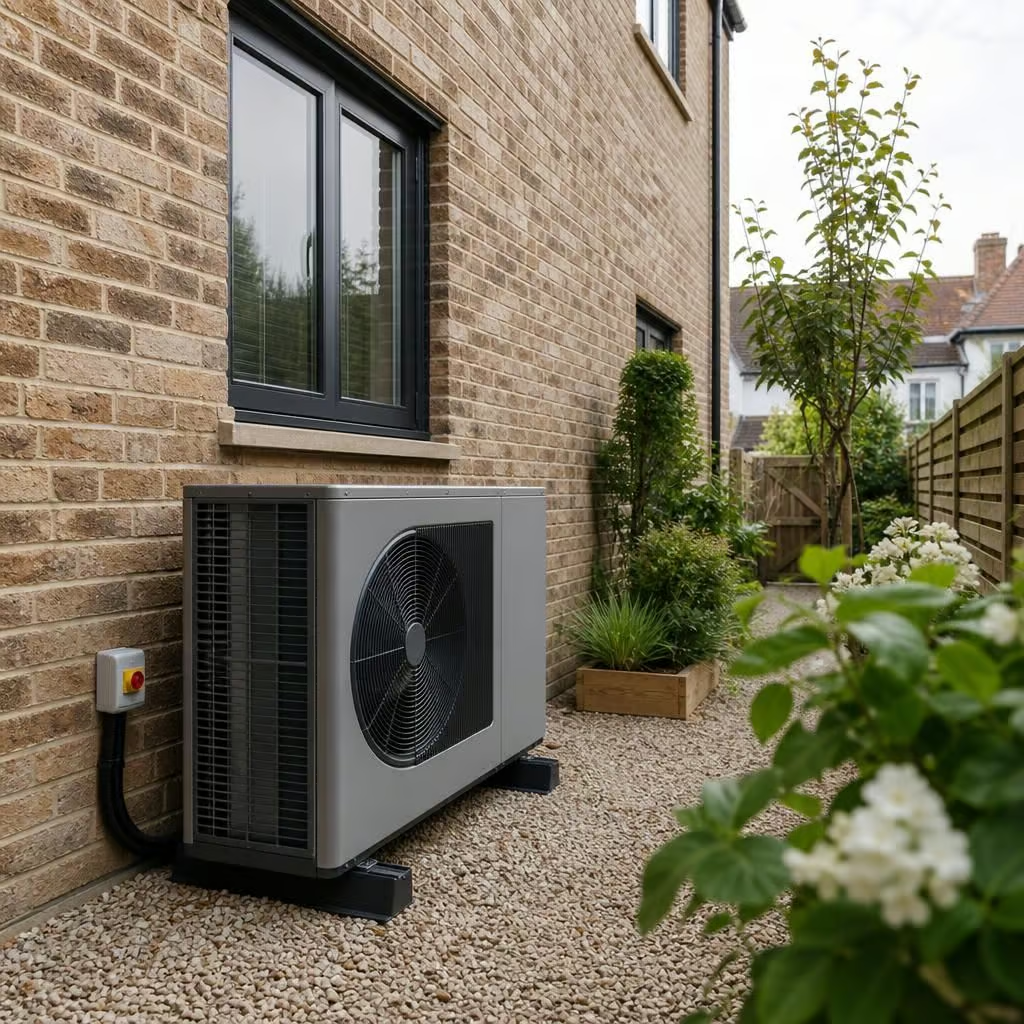
A small garden can make noise harder to manage, especially where the outdoor unit would sit close to a bedroom window or property boundary. If every practical position has a direct line towards living spaces, we’ll explain that before you commit rather than treating noise as an afterthought.
That assessment may show that a different position, a revised system design or another heating approach deserves consideration. You should know how the installation will sound from the places you use, not just how quiet the unit appears on its product sheet.