
What maintenance does an air source heat pump need?
An air source heat pump needs occasional homeowner checks and a professional service, usually once a year, to keep the outdoor unit, filters, condensate drain, controls and system pressure working properly. Keep leaves and other obstructions away from the outdoor unit, clean the accessible filters as advised, and arrange servicing if you notice reduced heating, unusual noise or repeated faults.
Air source heat pump maintenance is mostly routine: keep the outdoor unit clear, check the indoor system and controls, and arrange a professional inspection at the interval recommended for the equipment. A clean air path and correctly operating heating circuit help the system deliver heat without unnecessary strain.
Checks you can make yourself
- Keep the outdoor unit clear. Leaves, grass, cobwebs and other debris can restrict the air entering the fan. Keep plants, stored items and snow away from the grille, but don’t dismantle the casing or reach through the fan guard.
- Look at the condensate drain. During heating, the unit produces water as it extracts heat from the air. The drain should discharge freely. Ice, mud or a blockage can cause water to back up and affect operation.
- Check indoor filters where the system has them. Fan convectors, ventilation components and some heat pump systems use accessible filters. Follow the equipment instructions for cleaning or replacement rather than washing a filter that is not designed for it.
- Look for leaks or unusual dampness. Check around the cylinder, buffer vessel, pump, valves and visible pipework. A small leak can reduce system pressure or damage nearby components.
- Check the heating pressure if the system has a pressure gauge. The normal range depends on the installation. Use the commissioning information rather than adding water repeatedly without finding out why the pressure has changed.
- Pay attention to changes. New rattling, grinding, repeated shutdowns, longer heating times or rooms becoming unevenly warm are useful warning signs. Note when the problem occurs and any fault code shown on the controller.
Don’t jet-wash the outdoor unit, cover it during cold weather or chip ice from the coil with a sharp object. The fan, coil and fins are easy to damage. If ice builds up repeatedly, the system may have a drainage, defrost or airflow problem that needs investigation.
What a professional service includes
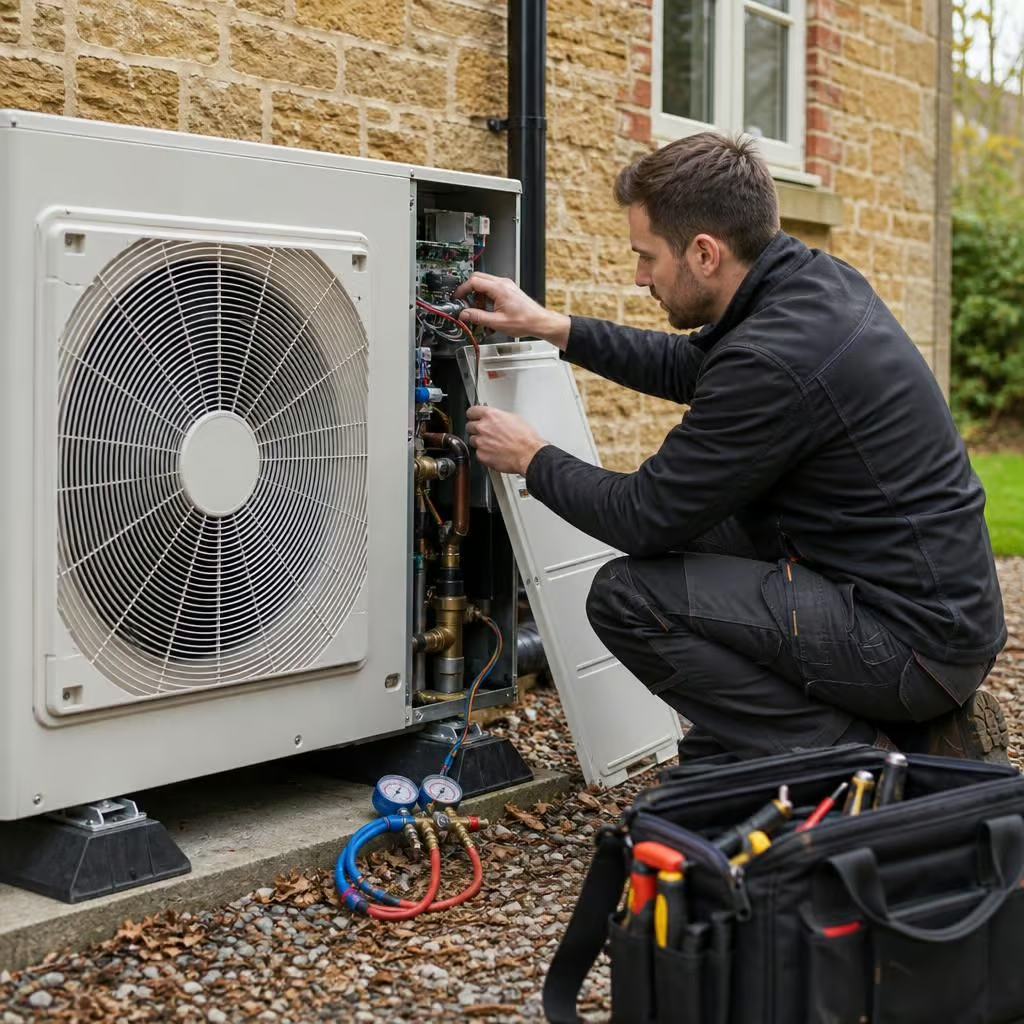
At a service, our heating engineer starts with the system’s operating history and any fault codes. We inspect the outdoor unit, fan, coil, casing, mounting and electrical connections. We check that air can move through the coil and that condensate leaves the unit without pooling or freezing in the wrong place.
We then check the indoor equipment and heating circuit. That can include the circulation pump, expansion vessel, safety controls, valves, cylinder, buffer tank and visible joints. We look at system pressure, temperatures and flow through the heating emitters. If radiators or underfloor circuits are not receiving the right flow, the heat pump may run for longer while the home still feels cool.
The controls matter as much as the hardware. We check the programmer, room sensors, weather compensation settings and hot water controls. A heat pump usually works most efficiently when it supplies steady, lower-temperature heat. Poor schedules, incorrect sensor positions or frequent manual overrides can make the system work harder than necessary.
We also assess the heat pump’s performance while it runs. The checks may include operating temperatures, defrost behaviour, unusual vibration and whether the unit reaches the required heating or hot water temperature. If the system is a split type, refrigerant work must be carried out by an appropriately qualified engineer. A refrigerant fault is not something to correct by topping up the system as a routine maintenance task.
How often is servicing needed?
The correct interval depends on the equipment, the installation and the manufacturer’s instructions. Follow the service requirements supplied with the heat pump. An annual inspection is sensible for many domestic systems, particularly where the system also provides hot water or where the property has demanding heating requirements. Older installations, exposed outdoor units and systems showing changes in performance may need attention sooner.
Keep the commissioning information, service records and details of any changes made to the controls. These records help an engineer understand the installation and identify a developing problem without starting from scratch.
Maintenance for older and rural properties
A heat pump in an older house may work alongside existing radiators, upgraded radiators, underfloor heating or a mixture of emitters. Maintenance needs to consider the whole heating circuit, not just the outdoor unit. Sludge, restricted valves, trapped air or poorly balanced radiators can limit heat transfer and lead to complaints that appear to be about the heat pump.
Properties in exposed locations can collect more dirt around the outdoor coil, while trees and hedges can increase leaf and pollen build-up. On an off-gas-grid property, the heat pump may also share the home with an oil or LPG system, immersion heater or other controls. Correct sequencing and safe isolation matter when more than one heat source is present.
When to arrange an inspection
Arrange professional advice if the heat pump repeatedly stops, shows a fault code, loses pressure, leaks, freezes heavily, makes a new noise or fails to produce enough heat or hot water. Turn the system off and seek advice if you notice burning smells, damaged cables or water near electrical equipment.
Regular maintenance cannot prevent every component failure, but it can identify restricted airflow, poor circulation, control errors and developing leaks before they become larger repairs. We inspect the complete heating system, explain what needs attention and provide a written record of the work carried out.
Changes to the house can alter how the heat pump needs to run. If you add insulation, replace radiators or change room use, tell us before adjusting the controls yourself. We can review the heat-loss assumptions, emitter temperatures and heating schedule, so the system continues to heat each room without unnecessary running.