What information do you need before arranging a boiler repair?
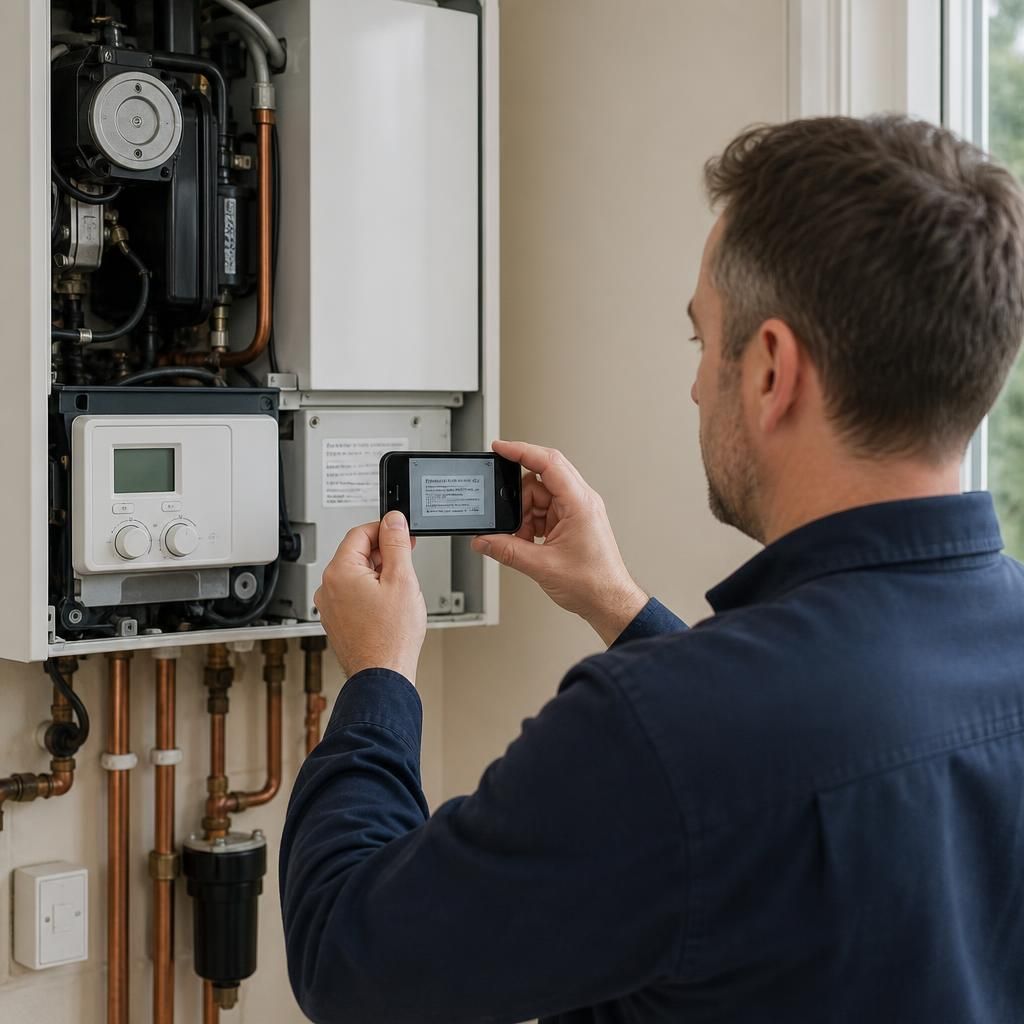
Tell us the boiler make and model, what has gone wrong, any fault code, the pressure reading and whether the heating, hot water or both are affected. If it is safe to do so, send a photo of the display and tell us whether the boiler runs on gas, oil or LPG, so we can understand the fault before arranging the repair.
The most useful information beyond the fault itself is the boiler’s fuel type, its controls, its recent service history and any safety concern in the property. These details help us understand the system before we attend and decide what equipment or records may be useful.
Tell us what the boiler runs on. A gas, oil or LPG boiler needs different checks, parts and qualifications. If the property is off the gas grid, let us know whether the boiler is supplied by an oil tank or LPG bottles. Oil-fired repairs are handled by an OFTEC-registered engineer, while gas boiler work must be carried out by a Gas Safe registered engineer.
Explain what happens when you use the controls. Let us know whether the boiler responds to the programmer, room thermostat or thermostatic radiator valves. It also helps to know if the heating and hot water are controlled separately, and whether another heat source is connected to the system. This can distinguish a boiler fault from a problem with the controls or electrical supply.
Give us the system pressure if there is a gauge. Tell us the reading when the system is cold, if it is safe to check. If the pressure has been falling repeatedly or you have had to refill the system, mention this. It may point to a leak or another issue that needs investigating rather than a simple reset.
Share the service and repair history. The date of the last service, previous fault codes, replaced parts and recommendations from an earlier engineer can prevent duplicated checks. If the boiler has had repeated repairs, tell us what has already been tried and when the problem returned.
Let us know about access and responsibility. We need to know if the boiler is inside a cupboard, loft space, outbuilding or another restricted area. Clear access around the appliance helps us inspect it safely. If you rent the property or manage it for someone else, confirm who has authorised the repair and where the quotation or invoice should be sent.
Raise safety concerns before arranging the visit. Tell us if you can smell gas, see scorching, hear unusual electrical buzzing, find water near electrical equipment or suspect carbon monoxide. Do not remove the boiler casing or attempt an internal repair. If you smell gas, avoid flames and electrical switches, ventilate the area if it is safe, turn off the gas supply if you know how, and contact the national gas emergency service.
For other concerns, switch the boiler off if you can do so safely and explain the situation when you contact us. A clear description of the risk helps us plan the repair without asking you to carry out unsafe checks.
Photos can also help. A picture of the controls, pressure gauge, surrounding pipework or any visible damage may show the arrangement before we arrive. Do not take photographs inside the appliance or remove covers to get one.
Once we have the information, we can discuss whether the issue appears suitable for repair and what may happen during the visit. If the boiler is beyond economical repair or parts are no longer available, we can explain that before unnecessary work goes ahead. We provide a written quotation before work starts, so the proposed repair and its cost are clear before you make a decision.
If you can see the boiler’s data plate without moving it or removing a cover, send a clear photograph of it. The plate may show the exact model, output and serial number, which helps us identify the appliance correctly before we attend. Don’t reach behind the boiler or dismantle anything to find it; tell us if the label isn’t accessible.