
What information do you need about my boiler breakdown?
When you contact us, tell us what the boiler is doing, any fault code showing, the boiler make and model, and where the property is located. If you know when the problem started and whether the boiler serves your heating, hot water or both, that helps us arrange the right help.
The most useful extra information is the boiler’s history, the heating setup around it and any safety concerns at the property. It helps us decide what equipment to bring and whether the visit is likely to involve a repair, further testing or a replacement assessment.
Have these details ready if you can:
- Boiler records: the installation date, service history, previous repair invoices and any warranty information. A photograph of the data plate or the boiler casing can help identify the correct parts.
- Heating arrangements: tell us if the boiler supplies radiators, hot water, or both. Let us know about a hot water cylinder, additional heating appliance or unusual controls that may affect the diagnosis.
- Recent changes: mention any work carried out before the fault appeared, such as plumbing, electrical or building work. A recent change can point us towards the cause without assuming the boiler itself has failed.
- Access information: explain where the boiler is located and whether we need access through a locked gate, outbuilding, loft or another part of the property. If the boiler is difficult to reach, a photograph of the surrounding area is useful.
- Property considerations: tell us about pets, tenants or other people who need to be considered during the visit. We can then plan access without creating avoidable disruption.
We may also ask what remains operational in the property. For example, the heating may have stopped while hot water still works, or the controls may have power while the boiler does not respond. That distinction helps us separate a boiler fault from a problem with the programmer, thermostat, pump or electrical supply.
If the boiler serves an older heating system, details about previous upgrades are useful. A changed pump, altered pipework, new controls or replaced radiators can affect how the system behaves. On an oil-fired property, service records and information about the burner or tank can help us prepare properly. An OFTEC-registered engineer can then assess the oil appliance in line with the requirements for that type of system.
Safety information comes first. Tell us immediately if you suspect a gas leak, carbon monoxide exposure, electrical danger or a serious water leak. Do not remove the boiler casing or attempt a repair yourself. If you smell gas, leave the property and contact the appropriate gas emergency service. Gas Safe registration is the legal requirement for anyone working on a gas boiler, so we use a Gas Safe-registered engineer for that work.
You do not need to diagnose the fault before contacting us. If you are unsure of the boiler’s age, model or history, say so. We can record what is known, use photographs where available and establish the remaining details during the assessment. Avoid guessing at a fault code or restarting the appliance repeatedly just to provide more information.
After taking the details, we explain what the next visit is intended to establish. Where a repair is practical, we identify the failed component and any safety checks required. If the boiler is beyond economical repair or parts cannot be sourced, the information helps us discuss replacement options based on the property and existing system rather than recommending equipment without seeing the wider setup.
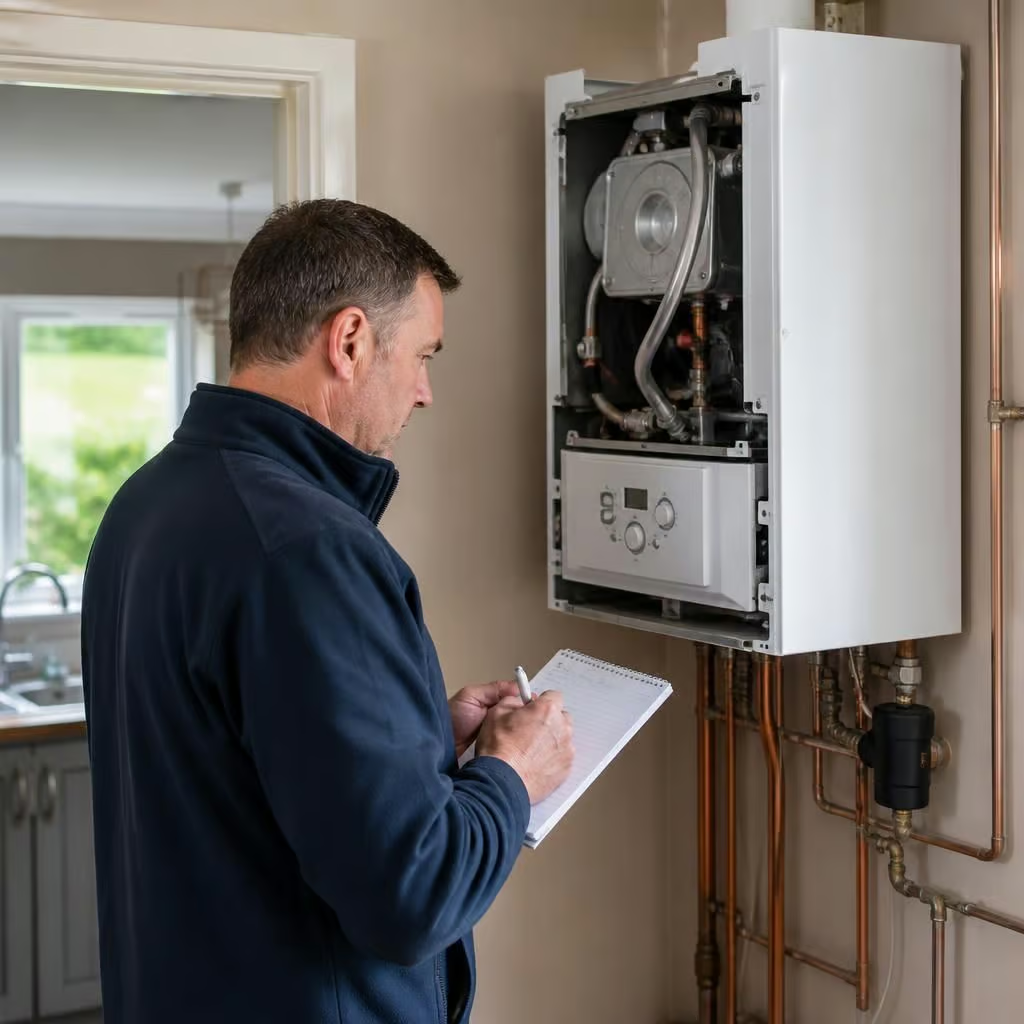
If the property uses oil or LPG, tell us whether fuel is available at the appliance. For a gas boiler, let us know whether other gas appliances are working. This helps us separate a boiler fault from a supply problem before we plan the repair. Don’t alter valves, disconnect the supply or remove the boiler casing.