What should an oil or LPG boiler quotation include?
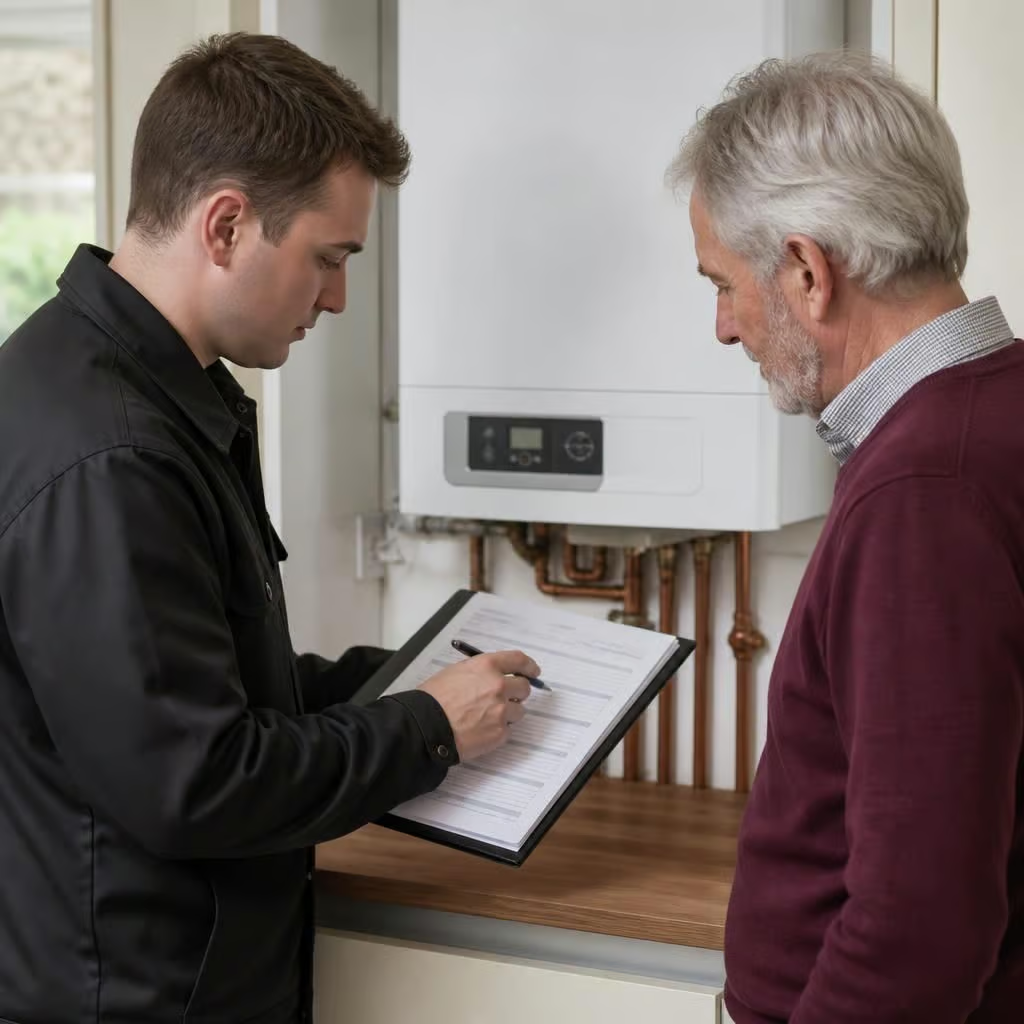
An oil or LPG boiler quotation should itemise the boiler and output, flue, tank or cylinder work, controls, labour, removal, commissioning, certification, VAT and any exclusions. We provide a written quotation that explains the proposed system, necessary changes to pipework or radiators, installation work and total cost before work starts.
A useful oil or LPG boiler quotation is property-specific, itemised and clear about its assumptions. It should show exactly what will be installed, how the system will connect to the home, which work is included, and what could cost extra.
Boiler and system design
The quotation should name the boiler type, output and fuel it uses. It should also explain why that size suits the property. An oversized boiler can cycle unnecessarily, while an undersized boiler may struggle to heat the rooms and hot water.
If the home has an unvented cylinder, a vented cylinder, a thermal store or a combination boiler, the quotation should state how the replacement will work with that arrangement. It should identify any changes to the cylinder, expansion vessel, pumps, valves or hot water controls.
Older homes often have different heating demands from modern, well-insulated properties. A proper survey considers room sizes, insulation, existing radiators and the way the house is occupied before we recommend boiler output.
Oil or LPG storage
For an oil boiler, the quotation should record the condition and position of the oil tank, the oil line and any fire protection measures. If the tank is ageing, poorly supported or unsuitable for its position, replacing it may be necessary for the new boiler to be installed safely.
For LPG, the quotation should state whether the home uses cylinders or a bulk tank. It should cover the regulator, supply pipework, isolation valves and any changes needed to connect the replacement boiler. Fuel storage, delivery access and tank siting can affect the work, particularly at rural properties.
If the existing tank or supply equipment remains in use, the quotation should say so rather than leaving its condition as an assumption.
Flue and condensate arrangements
The flue route needs more detail than a note saying “standard flue”. The quotation should show where the flue will leave the property, the terminal position and any extensions, bends, plume management or boxing-in required.
A replacement condensing boiler also produces condensate. The quotation should explain where that water will discharge and whether a new drain connection, insulation or condensate pump is needed. On an exposed wall, the pipe may need protection against freezing.
Properties with thick walls, unusual layouts, listed status or an existing chimney may need additional flue work. We should identify that during the survey and include it in the written scope where possible.
Radiators, pipework and controls
If some radiators are too small, corroded or poorly positioned for the proposed system, the quotation should list each replacement and its location. It should also explain any changes to primary pipework, valves, pumps or system filters.
The controls should be named in practical terms. This might include a programmer, room thermostat, thermostatic radiator valves, hot water controls or separate heating zones. The quotation should state which existing controls remain and which new controls we will supply and fit.
A new boiler will not correct every problem in an old heating system. Sludge, restricted pipework, leaking valves or poor circulation may need attention. If we find a likely risk, the quotation should separate that work from the core installation so the decision is clear.
Electrical and building work
The quotation should explain any electrical work needed for the boiler, controls, pumps or frost protection. It should also identify work such as drilling, making good, lifting boards, removing boxing or altering cupboards.
Some installations need a flue enclosure, a base for equipment, a new drain connection or changes to ventilation. These details matter because they affect both the price and the disruption inside the home.
Included costs and possible extras
A clear quotation separates equipment, labour and associated work. It should also state whether the price includes:
- removal and disposal of the old boiler;
- draining, flushing and refilling the heating system;
- new isolation valves, filters and safety components;
- flue materials and condensate connections;
- tank, cylinder or pipework alterations;
- electrical connections and new controls;
- scaffolding, access equipment or external making-good, if needed;
- commissioning, testing and handover paperwork; and
- VAT, with the applicable treatment shown clearly.
It should also list exclusions. For example, a quotation may not include asbestos work, major structural repairs, removal of contaminated oil, planning or listed-building applications, or remedial work hidden behind walls and floors. If an engineer cannot confirm a cost before opening up, the quotation should explain how that extra work will be agreed.
Safety, registration and paperwork
Oil work should be carried out by an OFTEC-registered technician. That registration covers the competence needed for oil-fired systems and is particularly relevant where the property is off the gas grid.
LPG boiler work should be carried out by an engineer registered for LPG work through Gas Safe. The quotation should make clear who will complete the installation and which certification will follow.
After the work, the paperwork should include commissioning information, product details, operating instructions and the relevant compliance certificates. Ask who will notify the installation where required and when the documents will be provided.
What to check before comparing quotations
- Compare the proposed boiler output and system design, not just the boiler model or headline price.
- Check that each quotation covers the same controls, flue work, tank or cylinder changes and system preparation.
- Look for a written list of exclusions and a clear process for approving unforeseen work.
- Check the quotation validity period, payment stages and what happens if equipment prices change.
- Ask what commissioning records and compliance certificates you will receive.
- Confirm the terms for the boiler manufacturer’s warranty and any installation workmanship cover.
A low price can appear attractive if it leaves out tank work, flue alterations, controls or system cleaning. Comparing itemised quotations makes those differences visible before you choose an installer.
We inspect the property before pricing the work, including the fuel arrangement, flue route, heating system and access. Our written quotation then sets out the recommended installation, its cost and any assumptions that could affect it, so you can make the decision with the important details in front of you.
The quotation should explain what happens after the boiler is commissioned. It should say who registers the appliance, who supplies the warranty documents and what records you’ll need to keep.
Manufacturer cover and installation workmanship cover are separate. Ask the heating engineer to state the length and conditions of each, including any servicing requirements. That leaves you knowing which person to contact if a fault develops later.