
How often should central heating be serviced?
Most central heating systems should be serviced once a year, even when they appear to be working normally. Follow the boiler manufacturer’s instructions if they specify a different interval, and arrange a service sooner if you notice unusual noises, repeated faults, leaks or changes in heating performance.
For most central-heating systems, a yearly appointment is the right interval. The manufacturer’s instructions take priority, so a newer boiler may have a specific servicing requirement in its documentation. Older or oil-fired systems should not be left beyond the recommended interval.
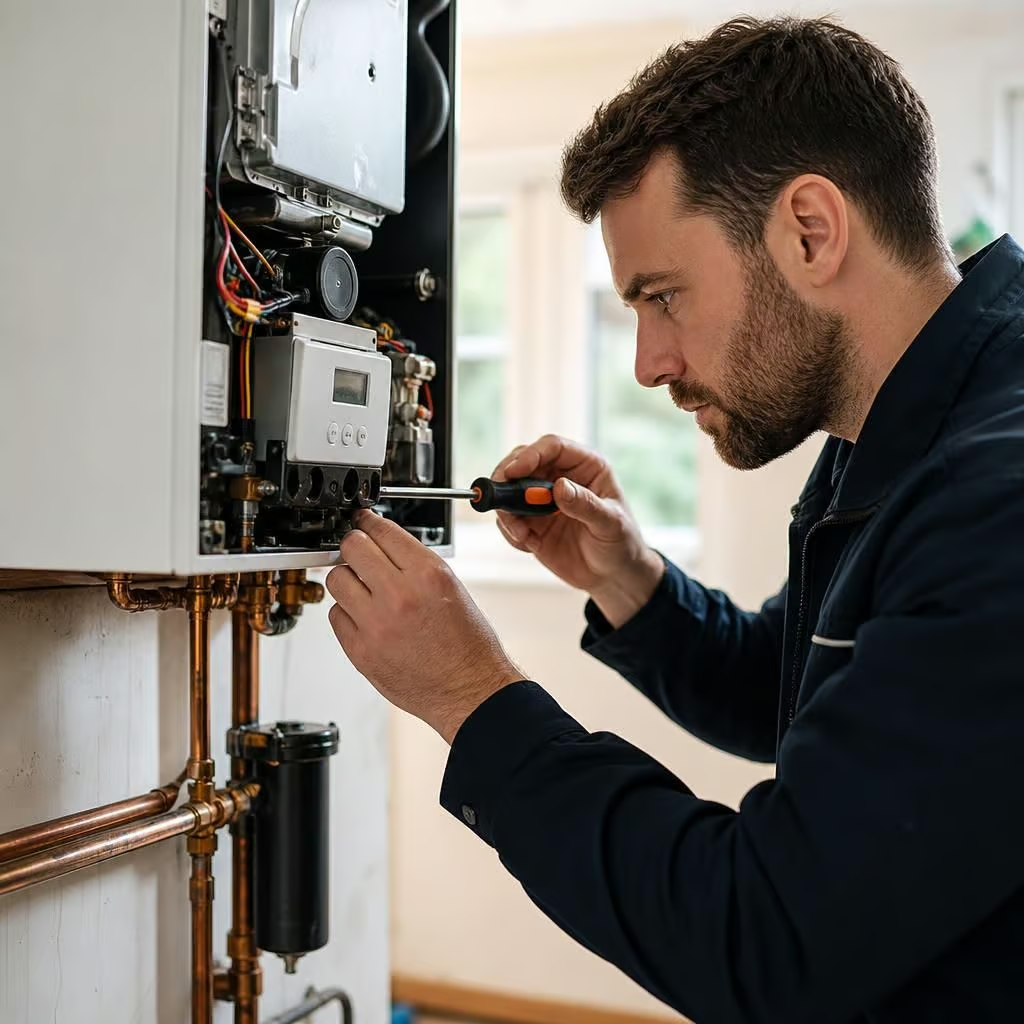
A service is different from a repair. During a service, we inspect, test and clean the system to confirm that it is operating safely. A repair deals with a fault that has already appeared. Servicing cannot prevent every breakdown, but it can show when a component, flue or connection needs attention before the problem becomes more disruptive.
What happens during a boiler service?
The exact checks depend on the boiler type and installation. For a gas boiler, we normally:
- Inspect the boiler casing, burner and combustion area.
- Test the flue and check that combustion gases can discharge safely.
- Measure combustion performance with calibrated equipment.
- Check seals, safety devices, condensate arrangements and visible pipework.
- Review system pressure and the operation of controls.
- Clean components where the boiler design and condition require it.
Gas work must be carried out by a Gas Safe registered engineer. That matters because a boiler can appear to run normally while still producing unsafe combustion gases or discharging them through a damaged flue.
An oil boiler needs a different set of checks. We examine the burner, nozzle, oil supply, combustion settings, flue and safety controls. OFTEC registration covers this type of work, which is particularly relevant where a home is not connected to the gas network.
Should the radiators and pipework be checked too?
Yes. A boiler service focuses on the appliance, but the heating system affects how well the appliance can do its job. Cold patches, repeated bleeding, unusual noises or slow heating can point to trapped air, sludge, poor circulation or a control problem.
We can check the wider system during the appointment and explain what needs attention. A small adjustment may be enough. If the system needs cleaning, a component replacing or pipework altering, we explain the work before proceeding.
Older homes often need a more careful assessment. Solid-wall houses, barn conversions and properties with later extensions may have mixed radiator sizes, long pipe runs or areas with different heat demands. That does not automatically mean the heating needs replacing. It does mean the service should consider how the whole system is working, not just whether the boiler starts.
When should a boiler be serviced?
Choose a time when the heating has been in regular use, rather than waiting for a fault. This gives us a chance to identify issues before the system is needed continuously. Keeping the same month each year also makes the next service easier to remember.
If a boiler has just been installed, follow the manufacturer’s servicing terms and keep the commissioning and service records together. These documents can be useful if a warranty issue arises or if the property is sold or let later.
Landlords have additional responsibilities for gas appliances and must arrange the required safety checks and paperwork through a qualified engineer. A routine service may form part of that process, but it is not automatically the same thing as a landlord gas safety record.
Signs that the system needs attention sooner
Book an inspection before the next planned service if you notice:
- Repeated pressure loss or the need to refill the system.
- Boiler fault codes, lockouts or frequent resets.
- Banging, kettling, gurgling or vibrating noises.
- Radiators that stay cold at the top or bottom.
- Water around the boiler, radiators or visible pipework.
- A change in the colour or appearance of a gas appliance flame.
- Unexplained staining, corrosion or damage around the flue.
Do not continue using an appliance that appears unsafe. Follow the manufacturer’s instructions, ventilate the room if appropriate and contact a suitably qualified engineer. If a carbon monoxide alarm sounds, leave the property and follow the emergency guidance for the appliance and fuel type.
We record the findings after the visit and separate routine recommendations from faults needing prompt attention. If further work is required, we provide a written quotation before it starts, so the decision and cost are clear.
Annual servicing is therefore a sensible baseline, not a substitute for paying attention to changes in performance. The correct interval for your system depends on its fuel, age, condition and manufacturer’s requirements.
A boiler used only occasionally still needs regular servicing. Seals can deteriorate, burners can become dirty and flues can be affected while the system is idle. For an older oil or gas boiler, the service interval should follow the manufacturer’s guidance rather than how often the heating runs.
If the property has been empty, recently renovated or extended, tell us before the appointment. Changes to ventilation, insulation, controls or room use can affect how the heating operates. We can include those details in the assessment and explain whether the existing service schedule still makes sense.