
Are electric boilers suitable for older homes?
Yes, electric boilers can suit some older homes, particularly where there is no gas supply, but the property’s insulation, radiators, hot-water needs and electrical capacity must be checked first. We assess those points before recommending an electric boiler, so you can see whether it will heat the home effectively and run at a sensible cost.
Electric boilers can be suitable for older homes, but they are not automatically the best replacement for every property. They tend to work well where there is no mains gas, the heating demand is manageable and the electrical infrastructure can support the boiler. The running cost also needs comparing with the existing oil, LPG or gas system before you decide.
Older homes can suit an electric boiler when the heat demand is controlled. A solid-wall house, barn conversion or listed property may have limited options for flues, oil tanks or external equipment. An electric boiler needs no combustion flue, chimney or fuel tank. That can simplify the installation where planning restrictions or the building’s layout make other systems difficult.
That does not mean the building fabric can be ignored. If heat escapes through the roof, windows, walls or floors, the boiler must run for longer to maintain the temperature. We use the property’s heat-loss information and the condition of the heating system to establish whether an electric boiler is a sensible fit. Small improvements such as draught reduction or better controls may affect the recommendation.
Running costs are usually the main concern. Electricity commonly costs more per unit than mains gas, so an electric boiler may cost more to run than an efficient gas boiler for the same heat output. Compared with oil or LPG, the result depends on the fuel price, the boiler’s condition, the home’s heat demand and how the heating is controlled. We work through those factors for the property rather than presenting a generic saving or payback figure.
An electric boiler converts electricity directly into heat, so it does not produce combustion gases. There is no burner, flue or fuel delivery to maintain. That can make the system quieter and reduce some routine servicing requirements. It does not remove the need for safe electrical installation, correct controls, system maintenance or checks on the hot-water arrangement.
The electrical installation needs enough capacity for the boiler. An older consumer unit, incoming supply or cabling may not be suitable for the proposed load. The existing supply may also be serving an electric shower, cooker, immersion heater, EV charger or other high-demand equipment. We assess the consumer unit, protective devices, cable routes and available supply before confirming the design. If changes are needed, the quotation explains them before work starts.
That assessment matters particularly in older properties, where the wiring may have been extended several times. We do not treat the boiler as an isolated appliance. The heating load must work safely alongside the rest of the home’s electrical demand. Electrical work is carried out by our NICEIC-registered electricians, with the appropriate certification provided for the completed installation.
Hot water needs planning as part of the decision. An electric boiler can heat a hot-water cylinder, but the cylinder’s size, immersion arrangement and available electrical capacity affect how the system performs. A property with several bathrooms or high simultaneous demand may need a different arrangement from a smaller home. We check how hot water is used and explain where cylinder or control changes are required.
If the existing home has a sealed central-heating system, some of the pipework and radiators may be reusable. Other systems may need pumps, valves, controls or pipework changes to operate correctly with the new boiler. The aim is not to replace sound components unnecessarily, but the installation must still deliver reliable heat to every room.
An electric boiler can be less disruptive than some alternatives. There is no oil tank to remove and no flue to route through a wall or roof. The work may still involve draining the heating system, altering pipework, upgrading controls, changing electrical equipment and making good around the installation. Listed or protected buildings may need extra care around visible pipes, fixings and external alterations.
For an off-gas-grid home, an electric boiler can be compared with continuing to use oil or LPG, or with installing an air source heat pump. A heat pump usually needs more space, different design temperatures and closer attention to radiators, pipework and controls. An electric boiler may be simpler where those changes are unsuitable, but the higher electricity use can make a heat pump worth investigating where the property and budget allow it.
Solar panels or battery storage may change how much electricity the home buys from the grid, but they do not make an electric boiler automatically economical. The boiler’s demand, the home’s heating pattern and the generation or storage system must be assessed together. A battery may not cover prolonged winter heating demand, when solar generation is lower.
The right choice comes from comparing the whole system, not just the boiler. We review the existing heating fuel, heat demand, electrical supply, radiators, controls, hot-water use and practical restrictions. We then set out the recommended work and its cost in writing before anything starts. That gives you a basis for comparing an electric boiler with other heating options for the property.
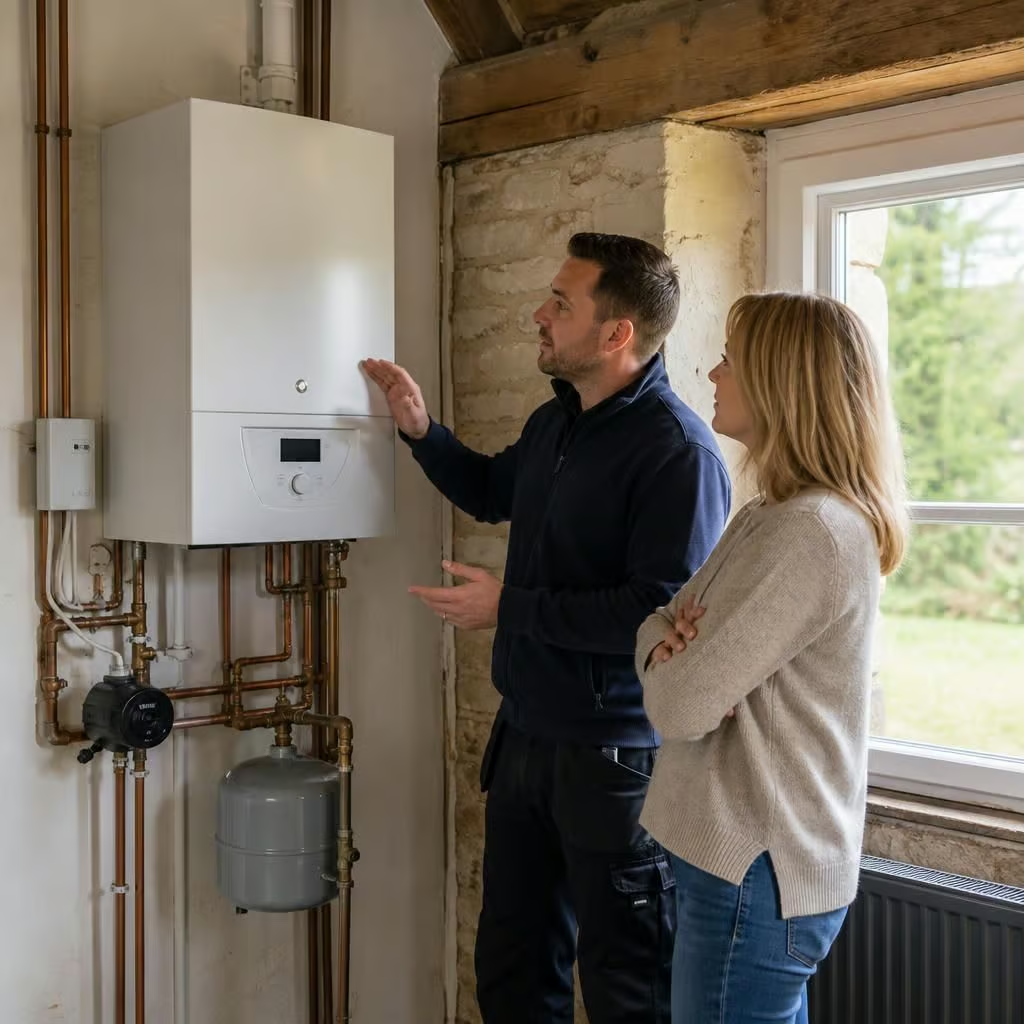
If you’re improving an older home in stages, the order of work matters. An electric boiler should be sized around the heat the rooms will need after planned insulation or draught-proofing, not simply matched to the output of the old boiler.
That avoids installing more electrical capacity than the property needs. We can compare the current condition with the improvements you’re considering, then explain whether the boiler should be installed now or after work to the building fabric. The result is a heating system based on the home’s likely demand rather than its age alone.