
How long does an electric heating installation take?
An electric heating installation can take from a straightforward visit to several days, depending on the heating system, electrical supply, hot water arrangements and any radiator or pipework changes. We confirm the timetable after surveying the property, so you know what work is involved before installation starts.
A straightforward electric boiler replacement can often be completed during a single working visit. A full change to the heating system takes longer, particularly if the electrical circuit, radiators, pipework or hot-water cylinder also need altering.
The first step is a site survey. We assess the heat demand of each room, the condition and size of the radiators, the pipework routes and the available electrical capacity. We also look at where the boiler, controls and cylinder can be installed without creating unnecessary disruption.
If the existing radiators and pipework are suitable, we can usually keep much of the wet heating system in place. That reduces lifting of floors and opening of walls. If the radiators are too small or the pipework is damaged, replacing them forms part of the installation rather than becoming an unexpected issue later.
The electrical supply is another important part of the programme. An electric boiler may need a dedicated circuit, suitable cable runs and changes at the consumer unit. If those items are not already available, we complete them before commissioning the heating system. The cable route and access to the consumer unit can make a noticeable difference to the amount of work inside the property.
Hot water arrangements can also change the timescale. A compatible cylinder and controls may be retained. If the cylinder, immersion heater or associated pipework needs replacing, we allow for that work in the installation plan. Homes without a suitable stored hot-water arrangement may need a different design rather than a simple boiler swap.
On the installation day, we protect floors and working areas before isolating and removing the old equipment. We install the electric boiler, connect the heating and hot-water circuits, fit the controls and complete the electrical connections. Any required radiator or pipework changes are carried out as part of the same planned work where access allows.
Older houses can take longer to work on because pipework may be concealed, walls may be solid or access may be restricted. A barn conversion, listed property or house with several extensions may need more careful routing and additional making-good. We explain these practical points before work starts, so the expected disruption is clear.
Once the system is connected, we fill and vent the heating circuit, check for leaks and test the controls. We commission the boiler against the manufacturer’s requirements and check that each heating zone operates correctly. We then explain the controls and leave the installation working safely, with the relevant paperwork.
The written quotation sets out what is included, including any electrical upgrades, radiator changes or hot-water work identified during the survey. If concealed problems are found after removal, we discuss them with you before carrying out extra work. That keeps the final decision with you rather than allowing the installation to expand without agreement.
For an accurate timescale, the useful information is not just the boiler model. It is the condition of the existing heating system, the electrical supply, the hot-water arrangement and how easily the installation routes can be reached.
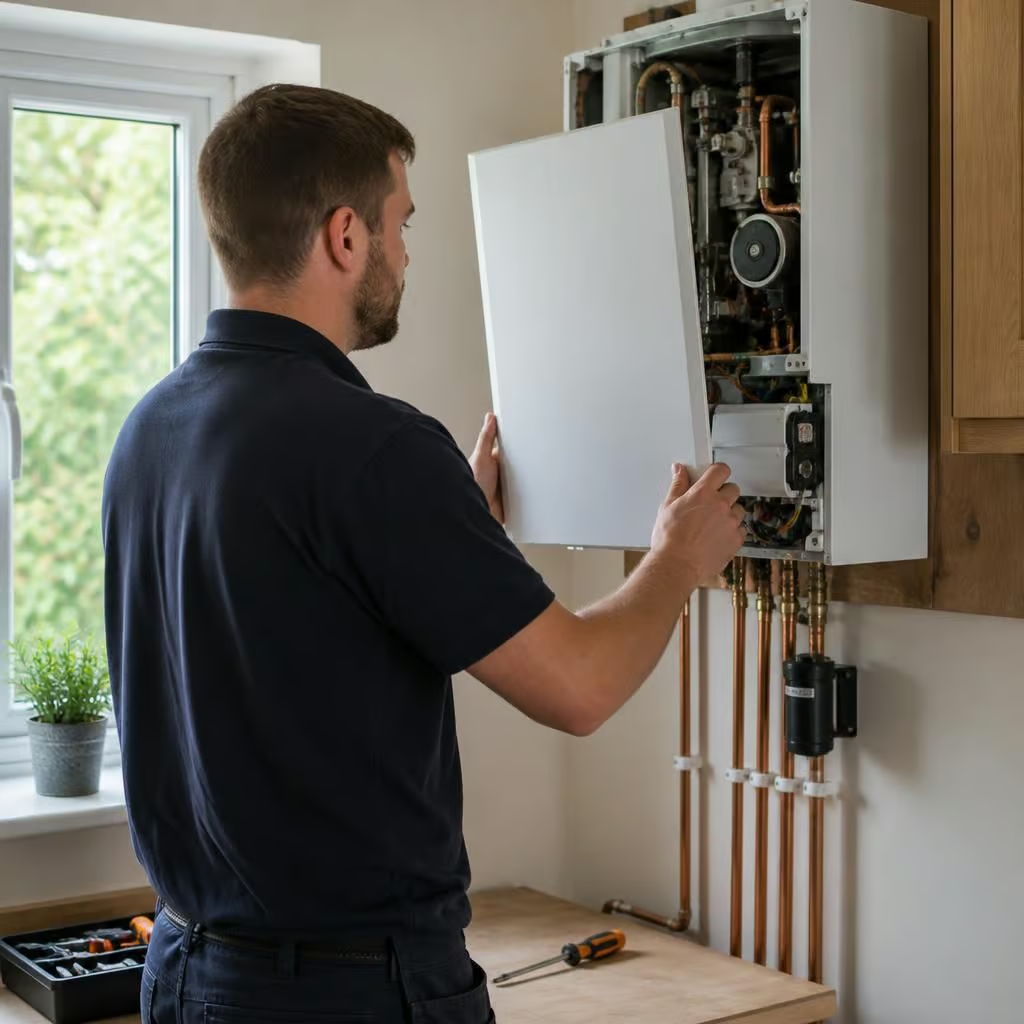
The time your heating is switched off depends on how much of the system is changing. A simple replacement involves fewer interruptions than work involving the consumer unit, radiators, pipework or hot-water cylinder.
We explain the sequence before installation starts, including when the heating and hot water need to be isolated. Electrical and plumbing work is completed in the right order, then we refill, test and commission the system before leaving the installation operational.