
How much does an electric heating system cost to install?
An electric heating system installation cost depends on the heating output, hot-water arrangements, radiators, wiring and whether the property needs an electrical supply upgrade. We assess those requirements before providing a written quotation, so the price reflects the work your home actually needs rather than a standard package.
There is no reliable single price for an electric heating system installation. The total depends on the type of heating, the heat output the property needs, the condition of the electrical installation and how much of the existing system can remain in use.
A direct electric system, such as panel heaters or electric radiators, usually involves less plumbing than an electric boiler connected to wet central heating. An electric boiler may use existing radiators and pipework, but the electrical supply, hot-water cylinder and controls still need to be suitable. Storage heaters have different installation requirements because they need appropriate charging controls and an electricity tariff that suits their operation.
The main parts of the installation cost are:
- The heating equipment: the price varies according to the system type, output and controls.
- Electrical work: the consumer unit, cabling, protective devices and earthing may need attention before the new system can be connected.
- Heat distribution: an electric boiler may use existing radiators, but undersized radiators can leave rooms cold. Some properties need additional or replacement radiators.
- Hot water: an electric boiler does not automatically provide hot water in the same way as a combi boiler. A cylinder, immersion heater or separate hot-water arrangement may be needed.
- Controls: programmers, thermostats and zone controls affect both installation work and how easily you can manage the heating.
- Removal and making good: taking out an old boiler, storage heaters, oil equipment or redundant pipework can add labour and disposal costs.
Your existing electrical supply is particularly important. A larger electric boiler can draw substantial power when it is operating, especially if the immersion heater or other high-load equipment runs at the same time. We check the incoming supply, consumer unit and cable routes before recommending equipment. If the supply or consumer unit needs upgrading, that work forms part of the installation rather than appearing as an unexpected extra later.
An older home does not automatically rule out electric heating, but its heat losses affect the size and cost of the system. Solid walls, high ceilings, older windows and rooms with limited insulation can all increase the required heat output. We look at the room sizes, insulation and existing radiators so the equipment is not selected from floor area alone.
The condition of the wet system also matters. Existing radiators and pipework may be reusable, but corrosion, poor circulation or unsuitable pipe sizes can make replacement more sensible. If the property is changing from oil or LPG, the work may also include removing the old boiler, adapting the hot-water system and dealing with the space it occupied.
Installation cost and running cost are separate decisions. Electricity is usually more expensive per unit of energy than gas, oil or LPG, so an electric boiler can cost more to run even when its installation is straightforward. The result depends on the home’s heat loss, the temperature you maintain, the electricity tariff and how much hot water the household uses. We can discuss those factors using the property’s existing bills and heating pattern rather than presenting a generic saving.
Direct electric heaters can have a lower installation cost because they do not need a wet central-heating circuit. That does not necessarily make them the cheapest option over the life of the system. Electric boilers may suit a home with usable radiators and pipework, while a heat pump may deserve consideration where the property, heating distribution and budget are suitable. We explain the practical differences instead of treating the lowest installation price as the best choice.
A heat pump is a different type of electric heating system and needs a separate assessment. It may require larger radiators, changes to pipework, improved insulation or alterations to the electrical supply. MCS certification allows an eligible Boiler Upgrade Scheme application to be made on your behalf, but suitability and grant rules must be checked for the individual property.
At the survey, we establish:
- which rooms need heating and how much heat they lose;
- what electrical capacity the proposed equipment needs;
- whether the consumer unit and existing circuits are suitable;
- which radiators, pipework and controls can remain;
- how hot water is produced and stored;
- what removal, access and making-good work the installation involves; and
- whether another heating approach would be more appropriate for the property.
We then provide a written quotation before work starts. It separates the heating equipment, electrical alterations, plumbing, controls and any removal work, so you can see what the price includes. If the survey identifies a problem that changes the proposed installation, we discuss it before proceeding rather than adding an unplanned charge.
Electrical work is carried out by NICEIC-registered electricians, with the installation tested and the relevant paperwork provided. That matters when a new heating system changes the load on the property or involves alterations to the consumer unit and fixed wiring. The finished system should leave you with clear controls, safe electrical connections and a heating arrangement that matches the building rather than an assumed standard house.
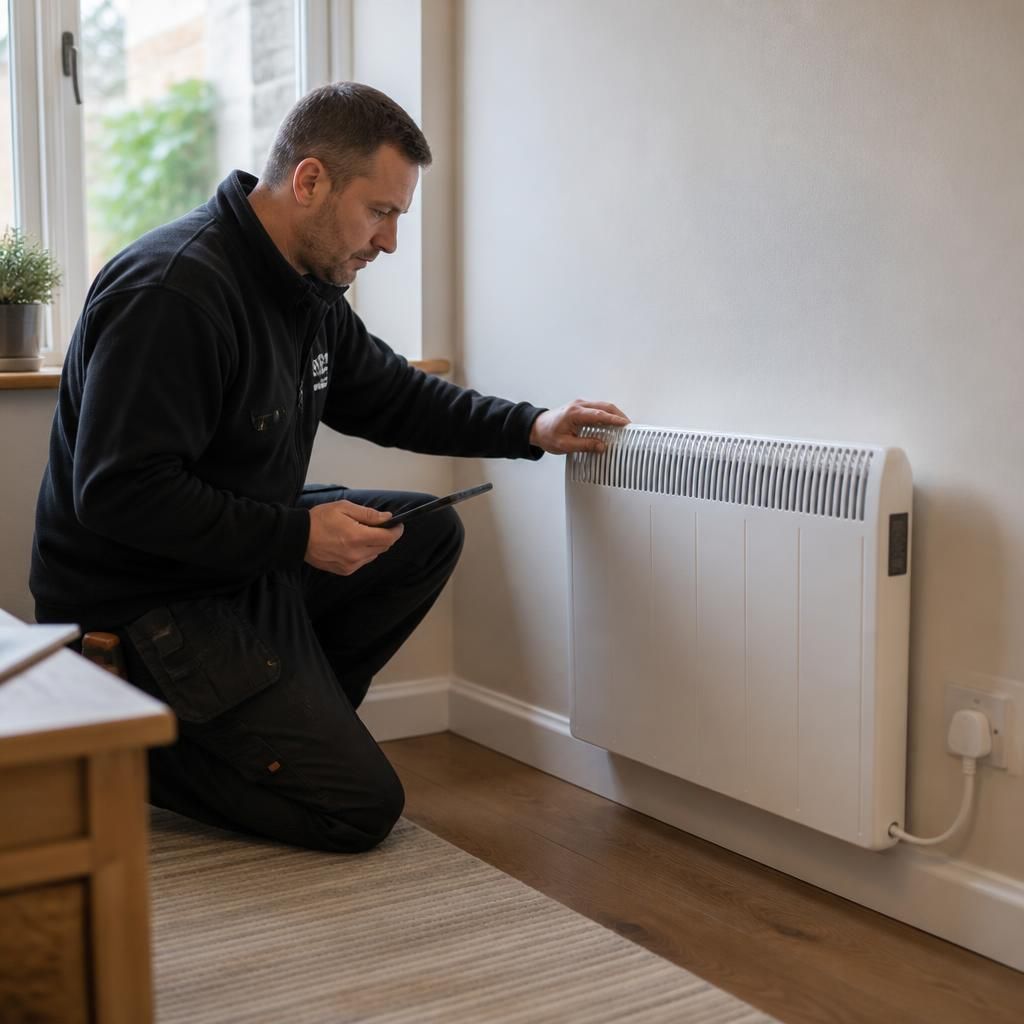
The location of the equipment can affect installation cost as much as the equipment itself. A cylinder in a tight airing cupboard, long cable routes or pipework hidden beneath finished floors can add labour without changing the heating output.
We assess access before pricing the work. That lets us allow for lifting floorboards, adapting cupboards or making good after redundant equipment is removed, rather than treating those jobs as unexpected extras.