
Can you replace a hot water heater without installing central heating?
Yes. We can install an independent hot water system, such as an immersion heater and cylinder, without fitting central heating; the right option depends on your existing cylinder, available fuel and hot water demand.
A separate hot water system can serve the taps, bath and shower without heating radiators. The right arrangement depends on how many outlets are used together, how much water the household needs and whether the existing electrical and plumbing services can support it.
The main options are:
- An immersion-heated hot water cylinder: water is stored in an insulated cylinder and heated by an electric element. This suits homes with several outlets, especially where a bath or more than one shower is used. The cylinder needs enough space and must be positioned where its pipework and safety discharge can be installed correctly.
- An instantaneous electric water heater: water is heated as it passes through the unit, so there is no stored cylinder. These heaters can work well for a single shower, basin or utility room, but the flow rate is limited by the unit and incoming water supply. Higher-output models can also require a dedicated electrical circuit.
- A vented hot water cylinder: a cold-water storage tank supplies the cylinder. This can be suitable where mains pressure is limited, although it needs space in the loft or another suitable location.
- An unvented cylinder: mains water pressure supplies the cylinder directly, giving stronger flow at the outlets when the incoming supply is adequate. It requires specific safety controls, discharge pipework and correct commissioning.
If the property has an old immersion cylinder, replacing it like-for-like may not be the best choice. A damaged cylinder may have poor insulation, a worn immersion element or corroded connections. A new cylinder can improve reliability, but the replacement still needs to match the household’s pattern of use. A small cylinder may run short during baths or back-to-back showers, while an oversized one takes more space and uses energy to keep unused water hot.
An instantaneous heater avoids stored-water losses, but it is not automatically suitable for every shower or bath. We check the incoming flow and the available electrical supply before recommending one. A unit that draws more power than the installation can safely provide may need a new circuit, protective equipment or an upgrade at the consumer unit.
Your property may also have restrictions that affect the choice. A cupboard may be wide enough for a cylinder but not tall enough for the required pipework. A loft tank may be impractical in a listed building or barn conversion. Older wiring may need attention before an immersion heater is connected. We look at those details before ordering equipment, rather than discovering them during installation.
The assessment covers the number and position of hot water outlets, the available flow and pressure, the electrical load, cylinder access, pipe routes and drainage for safety valves. We also check how the old equipment is isolated and removed. That helps us identify whether the work is a straightforward replacement or includes electrical, plumbing or building changes.
There is no requirement to install radiators, a boiler or a full wet heating system for this type of replacement. The new equipment can have its own programmer, thermostat and isolation controls. You can then heat water when needed without running a separate heating system. An immersion cylinder can also be considered where a property is off the gas grid and the owner wants to remove a reliance on oil or LPG for hot water, although the electricity use needs to be considered alongside the household’s tariff and consumption.
Installation usually involves isolating the water and electricity, draining the old equipment, connecting the replacement and testing every outlet and safety control. Pipework may need altering if the new cylinder or heater has different connections. We protect the working area and explain the controls once the system has been commissioned. Where an unvented cylinder is chosen, we complete the required safety checks and commissioning paperwork.
The price depends on the equipment, access, pipework, electrical work and any changes needed to the consumer unit or discharge route. A written quotation sets out those items before work starts, so you can compare the actual scope rather than just the price of the cylinder. We do not add surprise charges for work that was not agreed.
Plumbing and heating work is carried out with the relevant WaterSafe and CIPHE standards in mind. If the existing supply cannot support the preferred heater, we explain the limitation and offer an option that fits the property instead of specifying equipment that will give poor flow or overload the installation.
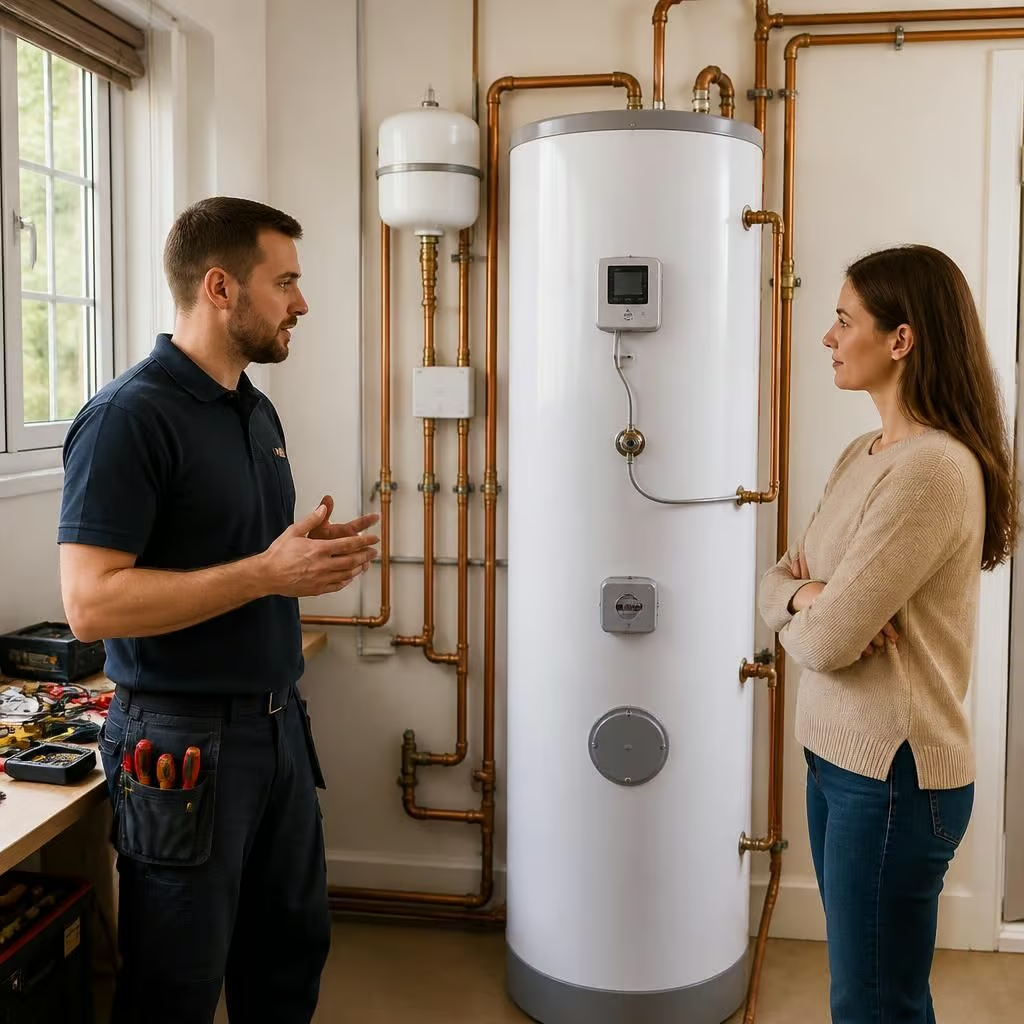
If only an annexe, utility room or second bathroom needs hot water, a whole-house cylinder may be unnecessary. A smaller dedicated heater can serve that area without connecting it to radiators or a boiler. The choice still depends on the outlet’s flow, the distance from the existing services and the electrical supply available nearby.
This arrangement can also suit a property where the main heating system is being left unchanged. We separate the hot water requirement from the room-heating decision, then explain what the chosen heater will supply and what it will need to run safely. You can replace the failed water heater without committing to a full central-heating installation.