
How disruptive is replacing an oil or LPG central heating system?
Replacing an oil or LPG central heating system is usually manageable, but disruption depends on whether the work is limited to the boiler or includes radiators, pipework, controls and the fuel system. We assess the property first, explain what needs lifting or moving, and plan the installation so you know what to expect before work starts.
Replacing an oil or LPG heating system is usually manageable, but the work can spread beyond the boiler cupboard when the fuel supply, flue, radiators or pipework need changing. The main disruption comes from access rather than from fitting the boiler itself. A clear plan limits dust, protects finished surfaces and avoids unnecessary alterations.
Before work starts, we map out the installation. The survey looks at the boiler position, flue route, oil tank or LPG supply, hot water cylinder, controls, radiators and main pipe runs. We also look for restricted access, solid floors, low beams, fitted cupboards and surfaces that need extra protection. If the property is listed or has unusual construction, we take that into account when planning the route.
The quotation should make clear which parts of the system are staying and which are changing. It should also show where new pipework will run, whether radiators need replacing, what happens to the existing fuel equipment and how the work will be finished. That gives you a chance to move furniture, clear cupboards and raise concerns before the engineers arrive.
On the installation day, we protect the route into the working area before isolating the old system. We drain the heating circuit, disconnect the boiler and remove equipment in manageable sections. Floorboards may need to come up where pipework cannot be reached from a cupboard or loft. We lift only what the planned route requires and refit boards where practical.
A boiler in a utility room is often less disruptive than one inside a kitchen cupboard, airing cupboard or bedroom. A change of boiler position creates more work because we need to route heating pipes, hot water connections, fuel lines, electrics, the flue and condensate pipe to the new location. We explain those consequences before you choose a new position.
The fuel arrangement can affect the scale of the work. An oil boiler may need changes to the oil line, isolation points, fire valve or connection to the tank. An LPG installation may require work around the cylinder or bulk tank, regulator and supply pipe. We do not treat the boiler as an isolated appliance; the fuel system has to be safe, accessible and suitable for the replacement.
Some homes need alterations outside the boiler room. Examples include:
- new or resized radiators where the replacement boiler works differently from the old one;
- replacement heating pipework where existing runs are corroded, undersized or difficult to balance;
- a new flue route through an external wall or roof;
- a condensate connection for a condensing boiler;
- updated thermostats, programmers or motorised valves;
- changes to the hot water cylinder, expansion vessel or associated pipework.
In an older rural home, access can be the deciding factor. Solid walls, suspended floors, exposed beams and later extensions can make concealed pipework difficult to reach. We may recommend a visible pipe route, boxed-in pipework or a different boiler position where that avoids lifting more of the floor. The least disruptive option is not always the one that hides every pipe, so we explain the practical trade-off.
Heating and hot water will be unavailable during the parts of the work that involve draining, disconnecting and commissioning the system. The length of that interruption depends on the installation, the amount of pipework involved and whether unexpected faults appear once the old equipment is removed. We set out the sequence beforehand so you know which rooms need access and when the system can be used again.
Good preparation reduces delays. Before the engineers arrive, clear the area around the boiler, cylinder, radiators and controls. Empty the cupboard where access is needed and remove fragile items from the route. If floorboards, wall finishes or fitted units concern you, point them out during the survey rather than after work has begun.
Once the new system is connected, we fill and test it, check for leaks, balance the heating and commission the boiler. We check the flue and combustion readings, confirm that safety controls operate correctly and show you how to use the controls. Oil work is carried out by an OFTEC-registered engineer, while gas work is carried out by a Gas Safe registered engineer. Those registrations matter because the appliance and fuel connection need to be worked on legally and safely.
We also clear the working area and explain any finishing work that remains, such as decorating around a moved radiator or making good a boxed-in pipe route. A replacement is less disruptive when the layout is agreed in advance, the access is ready and the quotation records the full scope rather than only the boiler.
If the proposed replacement involves major alterations, ask us to compare the disruption of keeping the existing position with moving the boiler or changing the system layout. That comparison can help you choose between a shorter installation with visible pipework and a more involved installation with a different layout.
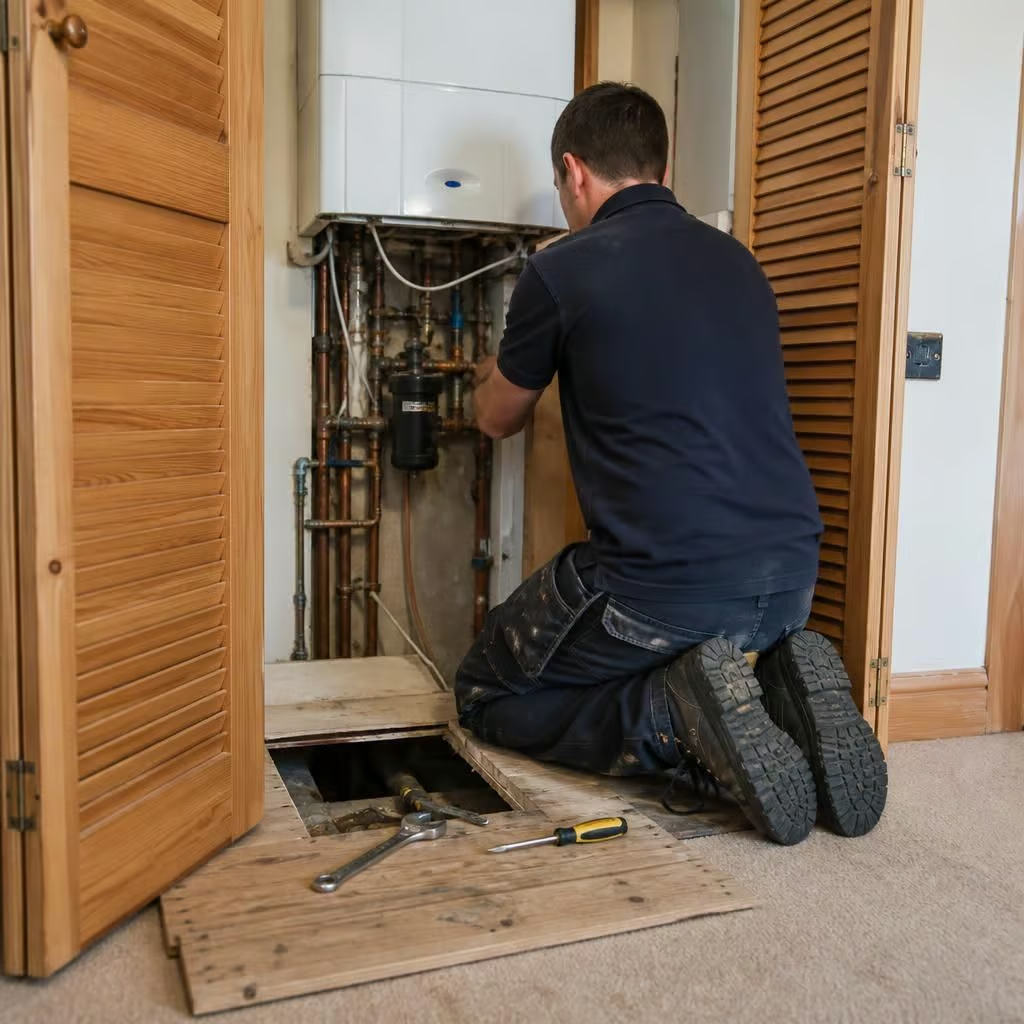
If the boiler, radiators and controls stay in their existing positions, the work is usually contained to established access points. A change of layout is different: we may need to open floors or walls to connect the new pipework, flue, fuel supply and controls.
That distinction matters in an older home, where lifting a floorboard or moving a radiator can affect finished surfaces. We set out the least disruptive workable route alongside any alternatives, so you can weigh a shorter installation against a cleaner-looking layout before deciding.