Can underfloor heating work with my existing boiler?
Yes, most existing gas, oil and LPG boilers can run wet underfloor heating, provided the system has suitable controls and temperature regulation. We check the boiler, floor construction and heat output before confirming whether it can be connected directly or needs changes to the pipework, pump or controls.
The key question is whether the complete heating system can deliver enough heat at the lower water temperature used by underfloor heating. The boiler itself may be suitable, but we also need to assess the floor construction, heat loss, pipework, pump, controls and available output.
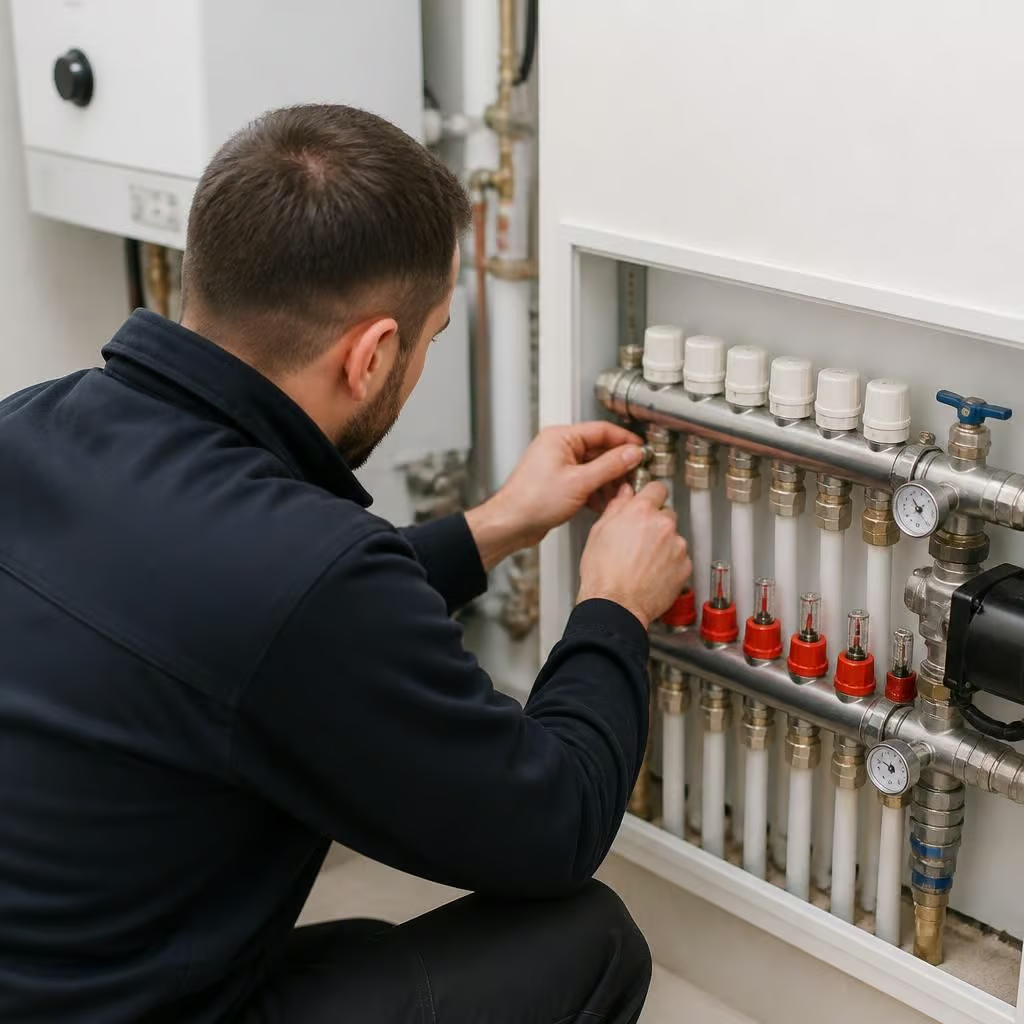
Wet underfloor heating needs the right water temperature. Radiators are usually designed to run hotter than underfloor pipework. A manifold and mixing arrangement normally reduce the boiler water temperature before it enters the floor circuits. This protects the floor system and helps each room receive an even amount of heat.
Some newer boilers can adjust their output and flow temperature more effectively than older models. That does not automatically rule out an older boiler, but it can affect the controls and the way the system is commissioned. We check whether the boiler can work with the proposed zones, pumps and thermostats rather than assuming that a simple connection will be suitable.
Boiler output must match the property’s heat loss. A large boiler is not necessarily a problem, and a small boiler is not necessarily efficient. The important point is whether the available output can meet the demand when the rooms, insulation, windows and ventilation are considered together. We use the heat-loss assessment to establish the required output and identify any rooms that may need a different approach.
This matters particularly in older houses. Solid walls, high ceilings, exposed positions and older windows can increase heat loss. A barn conversion or listed building may also have limits on insulation, floor levels or alterations. If the floor cannot provide all the heat a room needs, existing radiators may remain in place or provide supplementary heat. We explain that before installation rather than designing a system around an optimistic assumption.
The boiler may need supporting upgrades. An existing system can sometimes use the current pipework and pump, but we inspect both before deciding. Sludge, restricted pipe sizes, an ageing circulation pump or poorly balanced radiators can reduce performance. We also check the expansion vessel, safety controls, system pressure and water quality where these affect reliable operation.
Controls are just as important as the boiler. Underfloor heating usually works best with separate room or zone control because different areas warm at different rates. We check whether the existing programmer, thermostats and wiring can control the manifold correctly. A replacement control panel, additional wiring or improved zoning may be needed, even when the boiler remains in place.
Combi boilers can work with underfloor heating. The heating circuit and hot-water demand still need to be considered together. If several zones call for heat while hot water is being used, the system needs suitable controls and hydraulic design. We check how the boiler changes between heating and hot water so that the underfloor circuits operate as intended.
Oil and LPG systems can also supply wet underfloor heating, including systems serving homes away from the mains gas network. The boiler type, fuel system, flue arrangement and controls all form part of the assessment. We do not recommend replacing a working boiler simply because underfloor heating is being considered. We first establish what the current equipment can reasonably support.
The floor construction affects the result. Pipework set into a screed has different response times and heat output from low-profile pipework fitted above an existing floor. Suspended timber floors, retrofit overlay systems and insulated solid floors each need different designs. We consider insulation below the pipes, the finished floor covering and the available floor height. Carpet, underlay, tiles, stone and timber can all affect how readily heat reaches the room.
During the assessment, we look at:
- the boiler’s condition, output and operating controls;
- the heat loss from each relevant room;
- the existing radiators and heating pipework;
- the pump, system pressure and expansion arrangements;
- the position and capacity of the manifold;
- the floor build-up, insulation and finished floor covering; and
- the wiring needed for thermostats, actuators and zone controls.
After that assessment, the practical options may include keeping the boiler and adapting the heating controls, adding a suitable mixing and pumping arrangement, upgrading parts of the circulation system, retaining radiators in selected rooms or replacing the boiler if its condition or output makes that the sensible choice.
The installation method also affects disruption. If the floor is already being replaced, installing pipework within the new floor build-up may be straightforward. Retrofitting an occupied room can involve lifting floors, adjusting doors and allowing for new floor finishes. We set out the required work and any boiler or control changes in the quotation before work starts, so you can compare the benefit with the disruption.
A boiler does not have to be new for underfloor heating to work. It does need a compatible design, adequate capacity and controls that allow the floor circuits to operate at their intended temperature. Our survey identifies those requirements and makes clear where the existing boiler can stay and where another part of the system needs attention.
If you’re considering electric underfloor heating, it won’t connect to your existing boiler. Electric mats and cables use the mains supply, while wet underfloor heating circulates hot water from the boiler through floor pipework.
That distinction affects the design, controls and running costs of the room. We identify which type you’re considering and check whether it suits the floor construction, room use and existing heating arrangement before work is specified.