
Can my existing ductwork be reused with a new warm air heater?
Often, yes, if the existing ductwork is sound, clean, properly sealed and suitable for the new heater’s airflow requirements. We inspect the ducts, grilles and connections during the survey, then reuse them where they will distribute heat safely and evenly or recommend the necessary alterations.
Existing ductwork does not automatically need to come out when you replace a warm air heater. The deciding factor is whether it can deliver the new heater’s required airflow safely and evenly, without excessive leakage, noise or heat loss.
A replacement heater may have a different fan capacity, outlet position or heat output from the old unit. That can affect the way air moves through the system. We compare the new appliance with the existing supply and return-air arrangement before we decide how much of the ductwork can remain.
The main checks include:
- Supply air capacity: the ducts must carry the volume of heated air the new unit produces. Undersized sections can restrict airflow, increase fan noise and make some rooms uncomfortable.
- Return-air provision: the heater needs a suitable route for air to return from the rooms. A restricted return can reduce performance and place extra strain on the fan.
- Connections to the new heater: the existing plenum or transition piece may not match the replacement cabinet. We may need to adapt this connection rather than replace the full network.
- Duct joints and branches: loose joints, damaged sections and poorly sealed take-offs allow heated air to escape into floors, cupboards or roof spaces.
- Insulation: ducts in unheated spaces need suitable insulation. Otherwise, the heater uses energy warming the route rather than the rooms.
- Outlets and grilles: blocked, damaged or badly positioned floor and wall grilles can limit circulation. We check that air can leave the system and return without obstruction.
Older warm air systems often contain rigid metal ducting, flexible connections or later alterations added during building work. A barn conversion, extension or change of room layout may leave disconnected branches, redundant outlets or sections that no longer serve the rooms as intended. We trace the arrangement rather than assuming that every visible grille connects to the heater.
Some ductwork can remain in place while we replace only the sections around the heater. This may involve a new connection, additional sealing, altered branches or improved insulation. Retaining usable ductwork can reduce building work, but keeping poor sections simply because they are already there can create problems with comfort and running costs.
Replacement becomes more likely when:
- the ductwork has collapsed, corroded or suffered damage;
- the return-air route is too restricted for the replacement heater;
- the layout no longer matches the rooms being heated;
- ducts run through inaccessible areas and have serious leakage or insulation defects;
- previous alterations have left unused branches or poorly supported flexible ducting; or
- the existing materials cannot provide the required airflow safely.
We also look at access before recommending work. Ducting beneath floors, inside boxed-in areas or above ceilings may require more disturbance than an exposed section beside the heater. If we need to open flooring or remove boxing, we explain where the work is needed and why. A straightforward heater change may leave most of the property untouched, while a system with inaccessible or defective branches may need carefully planned alterations.
The position of the replacement heater matters too. Moving the appliance can shorten one duct route but make another longer, or it can require changes to the flue, gas or LPG pipework and electrical supply. We assess those connections as part of the installation rather than treating the ductwork in isolation.
Dust and debris inside old ducts do not always mean that the whole system needs replacing. We consider the source and extent of the contamination, along with the condition of the duct surfaces and insulation. If we find suspect materials, including possible asbestos-containing insulation in an older property, we stop and explain what needs checking before disturbing them.
After the new heater and any duct alterations are in place, we check the airflow at the outlets and confirm that the system operates properly. We look for uneven delivery, unusual fan noise and signs that a branch or return path remains restricted. The aim is to leave the existing system working as a complete arrangement, not simply to connect a new appliance to the nearest duct.
Our quotation separates the heater installation from any recommended ductwork alterations, so you can see what the existing system can support and what needs changing. Gas and LPG appliance work is carried out by Gas Safe registered engineers. If the survey shows that retaining the ductwork would compromise airflow, safety or comfort, we explain the reason and set out the practical alternatives before work starts.
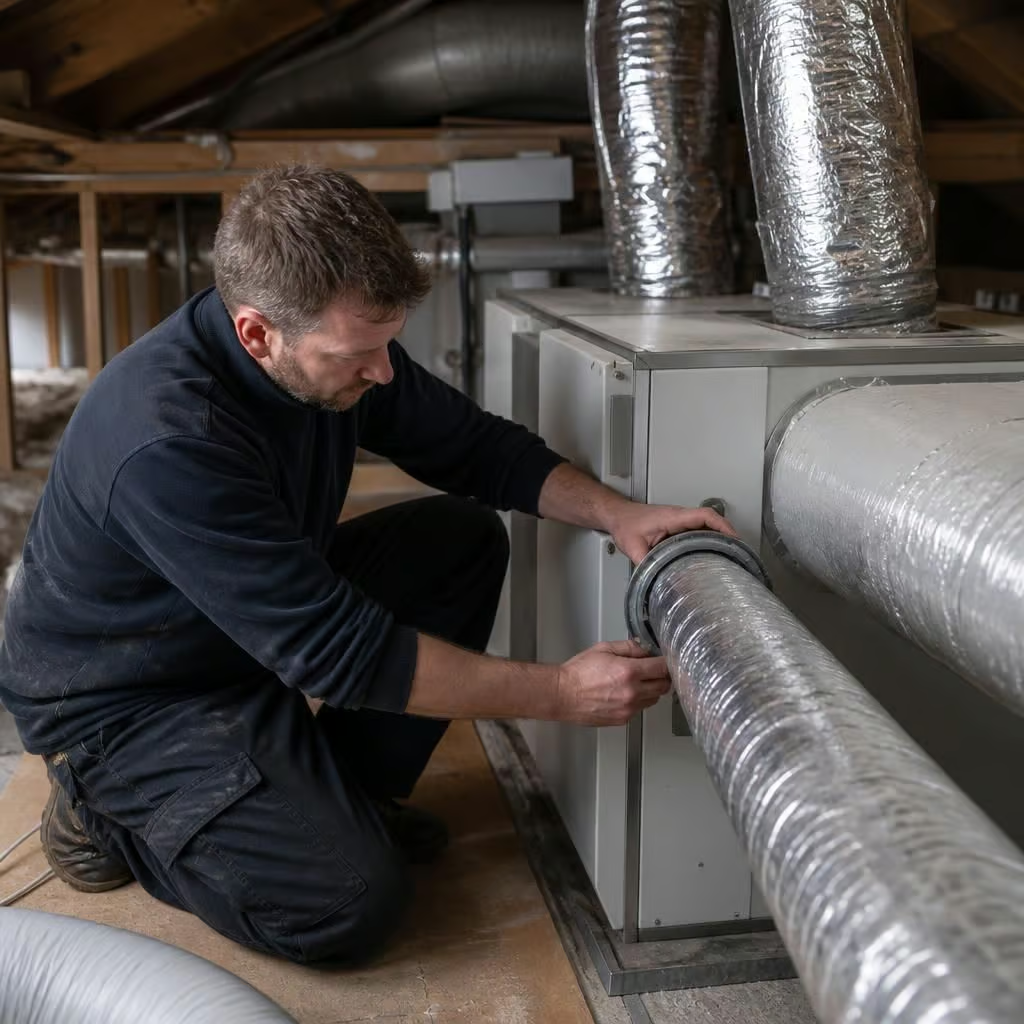
Sound ductwork does not make an unsuitable heater installation safe. We assess the flue route, gas or LPG connection, electrical supply and controls separately before the replacement goes ahead.
That keeps the decision clear: the existing air-distribution system may be reusable, while another part of the installation still needs alteration. You receive a heater that is properly connected and commissioned, rather than one fitted to ductwork in isolation.