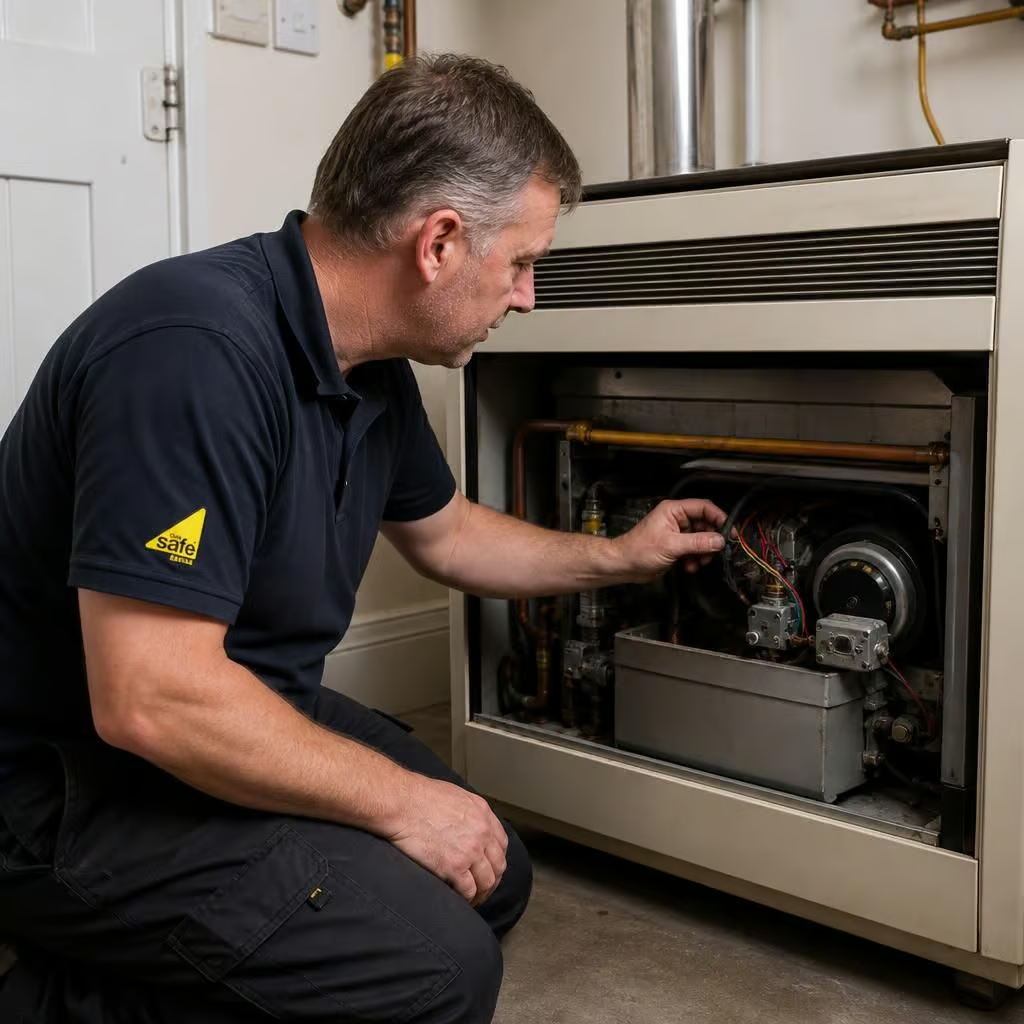
Is the engineer qualified to work on my gas or LPG warm air heater?
Yes. Our Gas Safe-registered engineers are qualified to work on gas warm air heaters, and we confirm the relevant LPG competence before inspecting or servicing an LPG appliance.
Qualification for a warm air heater is more specific than general heating experience. The engineer needs the right competence for the appliance, its fuel and the work being carried out. A person qualified to work on a gas boiler is not automatically qualified to service every warm air unit.
Warm air heaters have a burner, heat exchanger, fan, controls and duct connections. The appliance may also have a different flue and ventilation arrangement from a conventional boiler. During the assessment, we identify the make and model, fuel supply, flue type and control system before deciding what work is safe to undertake.
The registration card shows which appliance and fuel categories the individual engineer is qualified to work on. You can ask to see it before work starts and check that it covers gas or LPG and the relevant warm air appliance category. This matters particularly where an engineer normally works on boilers but has limited experience with ducted warm air systems.
For an LPG heater, the fuel type must be covered separately. LPG is stored under pressure and the installation may include cylinders or a bulk tank, a regulator and different pipework arrangements. The engineer checks that the appliance is set up for the available LPG supply rather than assuming that a gas setting is suitable.
During a service, we check the parts that affect safe combustion. That normally includes:
- the burner, ignition and flame-failure controls;
- the heat exchanger for signs of damage or deterioration;
- the flue route, terminal and connections;
- ventilation openings and the condition of the plant room or appliance space;
- the fan, air filters, thermostats and safety cut-outs;
- the gas or LPG supply, controls and accessible joints; and
- combustion readings and the discharge of products from the flue.
These checks help separate a simple service issue from a dangerous fault. A blocked filter may reduce airflow and cause the heater to overheat. A damaged heat exchanger or poor flue performance can introduce combustion products into the building. We do not leave an appliance running when a safety fault makes that unsafe.
If the heater has stopped working, the fault may be electrical, mechanical or fuel-related. We test the controls and safety devices rather than repeatedly resetting the appliance. Where a repair is practical, we explain what has failed and what the repair involves. If a part is obsolete, the heat exchanger is unsafe or the appliance cannot be brought back into safe operation, we explain the replacement options instead.
A replacement may need more than a new heater. The existing flue, ventilation, ductwork, controls and fuel pipework all need to suit the new appliance. On an older property, we may also find alterations from previous work or restricted access around the heater. We explain any additional work before proceeding, so the decision is based on the condition of the whole installation rather than the appliance alone.
After servicing or repair, we record the work completed and any safety recommendations. For a landlord or property manager, that paperwork supports the maintenance record, but it does not replace the legally required checks that apply to the property. A service record also cannot make an unsafe appliance acceptable if a fault remains.
If there is a smell of gas or LPG, soot, unusual staining, repeated flame failure or a carbon monoxide alarm, stop using the heater. If it is safe to do so, isolate the fuel supply, avoid switches and naked flames, leave the building and contact the relevant gas emergency service or LPG supplier. Do not remove covers or attempt to adjust the burner yourself.
The right qualification depends on the job, not just the fuel. Servicing an existing heater, repairing its controls, replacing the appliance or changing an LPG installation can involve different checks and responsibilities.
Tell us what you need before we attend, especially if the work involves converting the fuel, altering the flue or replacing the heater. That lets us plan the correct assessment and explain any work that falls outside a straightforward service.