
How do I choose a qualified gas leak detection engineer?
Choose a Gas Safe registered engineer with specific experience in tracing gas leaks, not only servicing appliances. We identify the source, carry out the required safety checks and explain clearly what must happen before the gas supply or appliance is used again.
The right engineer can show that they’re qualified for the gas work involved, has experience tracing leaks beyond appliance servicing, and explains what will happen if the supply must be isolated. They should give you clear findings and a written quotation before any remedial work starts.
Your concern may be a smell near the boiler, a suspected pipework fault or a gas meter reading that doesn’t make sense. Ask the engineer what they will test, where they can investigate and what information you’ll receive afterwards.
- Relevant gas work: their registration and work scope should cover the appliance, pipework or installation being investigated.
- Leak detection experience: servicing a boiler is not the same as tracing a leak through pipework, fittings, appliances and concealed routes.
- Safety procedure: they should explain how they will make the installation safe if they find an unsafe condition.
- Clear reporting: you should receive a straightforward explanation of the fault, any immediate restrictions and the recommended next step.
- Written pricing: the inspection and any further work should be separated clearly, with a quotation provided before repairs begin.
A suitable engineer will not simply relight the boiler and treat that as a diagnosis. We establish whether the problem is at an appliance, connection, internal pipework or another part of the installation. Testing may involve checking the gas pressure, examining accessible joints and appliances, and carrying out further investigation where the first checks do not identify the source.
Your property may have older pipework, an appliance in a garage or utility room, or sections of pipe hidden beneath floors and behind walls. Tell the engineer about previous alterations, extensions and any recent appliance work. That history helps us investigate the likely route without opening up areas unnecessarily.
Ask what happens if the inspection finds an unsafe fault. The engineer should be able to explain whether the gas supply or appliance needs to remain isolated, whether another contractor must be involved and what evidence will confirm that the installation is safe again. Do not choose someone who suggests bypassing a safety control or leaves you unsure whether the appliance can be used.
If the suspected leak is inside the home, avoid flames and anything that could create a spark. Don’t operate electrical switches near the smell. Ventilate the area if you can do so safely, leave the property if necessary and contact the gas emergency service. Arrange investigation once the immediate danger has been dealt with.
Before booking, ask these practical questions:
- What types of gas leak have you traced previously?
- Will you investigate pipework as well as the appliance?
- What safety tests are included in the visit?
- What written report or confirmation will I receive?
- Will you explain the cost of repairs before starting them?
Our engineers investigate the source rather than assuming that the nearest appliance is responsible. Once we know what is wrong, we explain the safety position in plain terms and set out the work needed. You can then decide whether to proceed with the repair, replacement or further investigation.
Gas work on an oil-fired system is different from gas work, so an engineer should also understand the type of heating installed at the property before attending. If the issue involves an oil appliance rather than a gas appliance, say so when you make contact; it affects who should carry out the inspection.
For a planned visit, have the boiler or appliance details available, along with the location of the gas meter and any information about when the smell or suspected fault began. That gives the engineer a clearer starting point and helps keep the investigation focused.
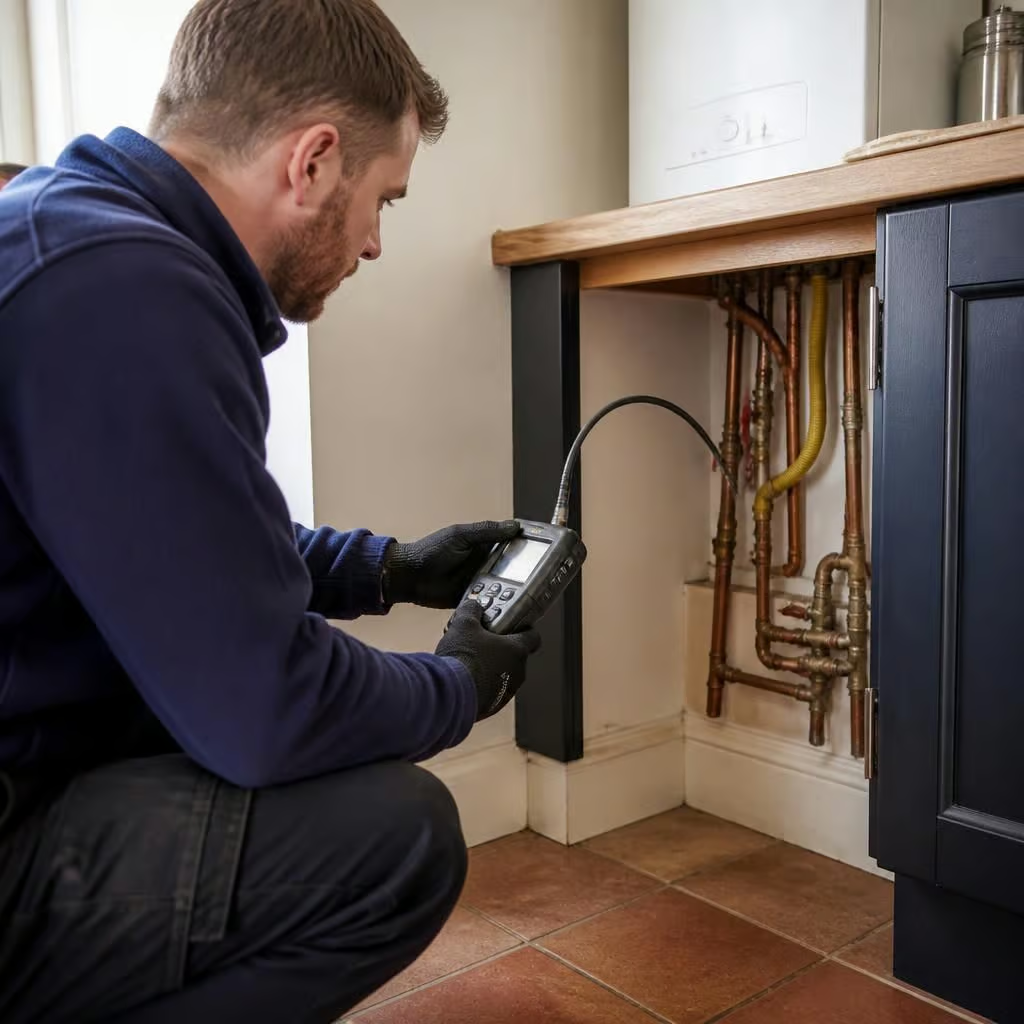
A leak investigation may narrow the fault to a section of pipework without revealing the exact point immediately. A reliable engineer will explain that limitation rather than claim certainty from one test.
If access is needed beneath a floor or behind a wall, we explain why, what the next test is intended to establish and what disruption it may involve. That gives you enough information to decide whether to continue investigating before any opening-up work begins.