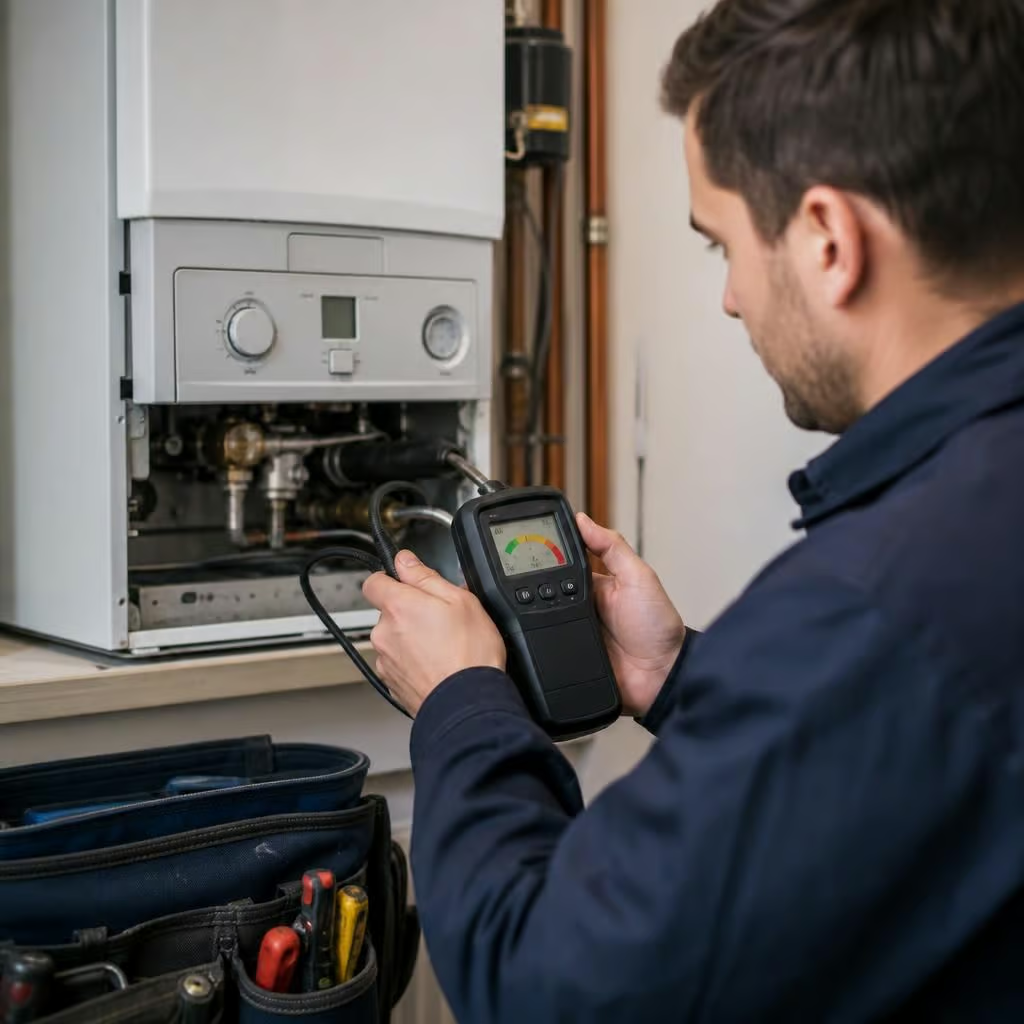
What happens if gas leak detection finds a dangerous fault?
If gas leak detection finds a dangerous fault, we isolate the affected appliance or gas supply and explain clearly what must not be used. We then identify the repair needed, provide a written quotation before work starts, and test the installation again after the fault is corrected.
A dangerous gas fault means the appliance or installation may create a risk of fire, explosion or carbon monoxide exposure. We deal with the immediate hazard first, then explain what needs to happen before the gas can be used safely again.
If you can smell gas now, avoid naked flames and do not operate electrical switches. Open doors and windows if you can do so safely, leave the property and call the National Gas Emergency Service on 0800 111 999. Do not return until you have been told it is safe.
What the engineer is looking for
A dangerous finding does not always mean the boiler itself has failed. The problem may be a leaking joint, damaged pipework, poor ventilation, unsafe combustion, flue gases entering the room or a carbon monoxide risk. We examine the appliance, flue, gas pipework, ventilation and surrounding installation to establish where the danger comes from.
Gas engineers use recognised safety categories. An Immediately Dangerous fault presents a serious and immediate risk. An At Risk fault could become dangerous or is already operating unsafely. The category affects what must happen next, but neither finding should be ignored or worked around.
What you should not do
- Do not relight an appliance that has been labelled unsafe.
- Do not remove a warning label or reconnect an appliance yourself.
- Do not use a gas appliance if its flue, ventilation or combustion safety is in doubt.
- Do not assume that a boiler is safe because it still produces heat.
Use another safe source of heating only if it does not create a separate electrical, fire or ventilation risk. If the fault has left the property without heating or hot water, the engineer can explain the safe temporary arrangements while the repair is considered.
What happens after the finding
Some faults need a straightforward repair, such as replacing a failed control, sealing a joint or correcting a flue problem. Others involve wider work, including changes to ventilation, gas pipework, condensate drainage or the appliance itself. We explain the cause rather than presenting a replacement as the only option.
For a repair that needs planning or parts, we set out the work and price in writing before it starts. If the existing boiler or appliance cannot be repaired safely or economically, the quotation can cover replacement and any associated changes needed to make the installation compliant.
After the work, we carry out the relevant safety checks and combustion tests. The appliance must operate correctly, the flue must discharge safely and the installation must meet current requirements for the work completed. We explain any controls or restrictions before the system is returned to normal use.
Paperwork and rented properties
A dangerous-fault warning is not the same as a gas safety certificate. If you are a landlord, you may need remedial work and an updated Gas Safety Record before the property is occupied or the appliance is used. The correct paperwork depends on what was found and what work was carried out.
Gas work must be carried out by a Gas Safe-registered engineer. That matters because the engineer can legally work on the gas installation and record the relevant safety information. Keep the warning notice, quotation, repair documents and any updated gas safety record together.
If the fault affects a boiler in an older or off-gas-grid property, the repair may involve more than the appliance. We can identify whether the issue sits with the boiler, the gas supply or the wider heating installation, so the next decision is based on the actual cause rather than the age of the system alone.
The extent of the isolation depends on where the danger is found. A faulty appliance may be disconnected on its own, while unsafe pipework or a problem with the gas supply may require the supply to the property to be shut off.
We explain which appliances are affected and what must remain unused. That gives you a clear boundary while the repair is arranged, instead of leaving you to guess whether another gas appliance is safe.