What maintenance will the heating system need after installation?
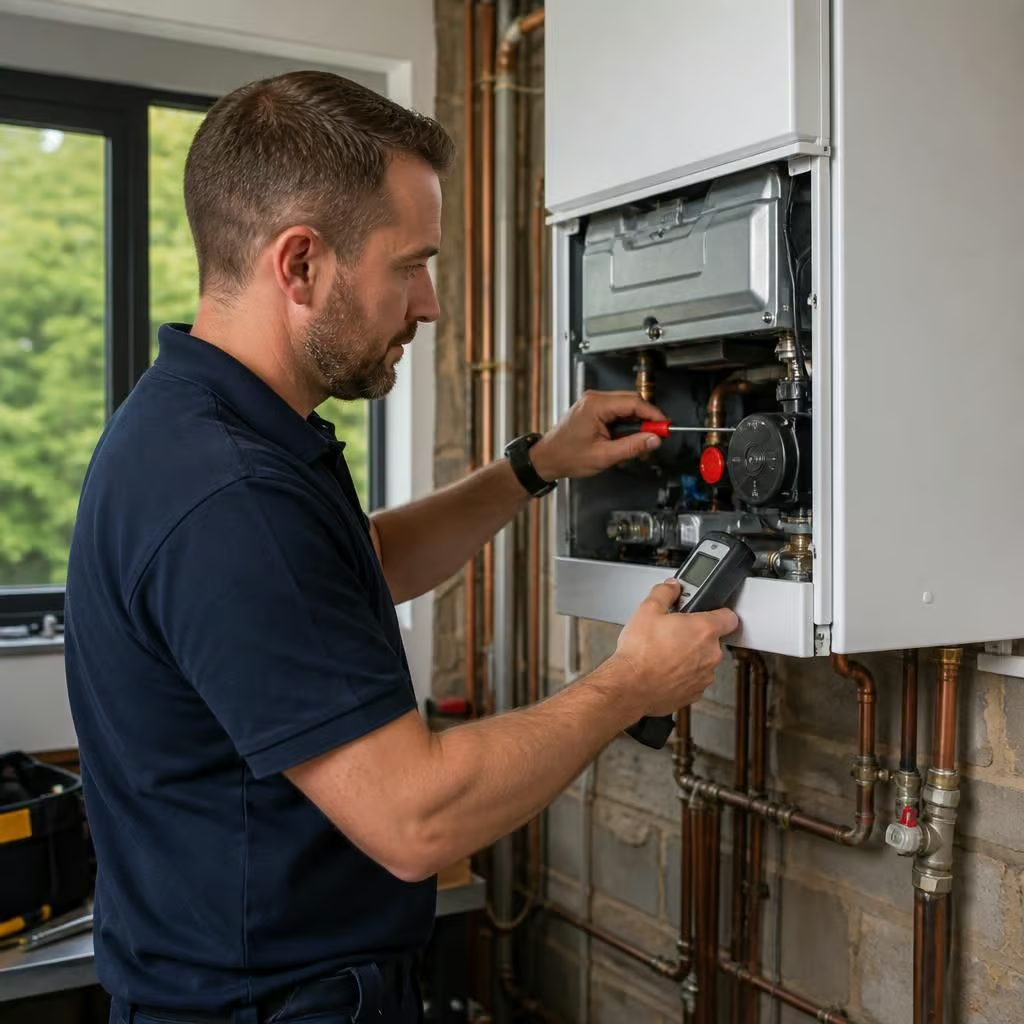
After installation, arrange servicing at the interval set by the manufacturer, with regular checks on safety, controls, pipework, filters and system performance. We record any developing faults during each service, so you can deal with them before they cause a breakdown or reduce efficiency.
After installation, the heating system needs a maintenance plan matched to its heat source, controls and property. The work normally includes servicing the boiler or heat pump, checking safety controls, inspecting pipework and radiators, reviewing system pressure and confirming that the controls still operate correctly.
The recommended interval comes from the manufacturer’s instructions and the type of system installed. A gas boiler needs servicing by a Gas Safe registered engineer. An oil-fired boiler needs an engineer registered with OFTEC. That matters particularly on an off-gas-grid property, where the burner, oil supply and combustion settings all need the right checks.
During a boiler service, we inspect the appliance, flue, combustion performance, condensate route, safety devices and visible connections. We also look for signs of corrosion, leaks, restricted ventilation or poor drainage. If the boiler serves a sealed heating system, we check the pressure and investigate any repeated loss of pressure rather than simply topping it up.
Your radiators and pipework can affect how hard the heat source has to work. Cold patches, persistent noise, uneven temperatures or repeated bleeding may indicate trapped air, sludge, poor balancing or a circulation problem. We assess the cause and explain whether adjustment, cleaning or further repair is appropriate.
Heat pumps have different maintenance needs from combustion boilers. We check the outdoor unit, refrigerant circuit, electrical connections, condensate drainage, water flow and system controls. The unit must have clear airflow, so keep leaves, stored items and vegetation away from it. Do not cover it or block the discharge area.
Your heat pump may also need its filters and strainers checked, depending on the system design. We inspect these as part of the maintenance visit and check that the flow temperature and weather compensation settings still suit the building. If the property has been altered, insulated or used differently since installation, the controls may need reviewing rather than simply increasing the temperature.
There are a few safe checks you can make between professional visits:
- Look for water or oil around the boiler, cylinder, radiators and visible pipework.
- Check the pressure only as described in the operating instructions.
- Keep boiler ventilation openings, flues and heat-pump airflow clear.
- Test carbon monoxide alarms and replace batteries when needed.
- Check that thermostats, programmers and radiator valves respond as expected.
- Note unusual smells, noises, error codes or changes in heating performance.
Do not remove the boiler casing, alter burner settings or work on gas, oil, refrigerant or electrical components yourself. If you smell gas, see signs of an oil leak or suspect carbon monoxide, leave the area safely and use the appropriate emergency procedure. A heating engineer can then investigate the appliance and installation.
Maintenance is also the right time to review the whole system, not just the heat source. We check the cylinder, expansion vessel, pump, valves, radiators, pipework insulation and controls where they form part of the installation. On an older property, this can identify a small issue before it causes a larger leak, loss of heating or unnecessary strain on the boiler or heat pump.
Keep the service report, installation paperwork and any records of repairs together. They show what has been checked and help us diagnose future faults. The manufacturer’s instructions should take priority when they specify a particular service routine or replacement part.
The cost of maintenance depends on the installed equipment, its location and the checks it needs. A straightforward service is different from a visit that includes fault diagnosis, system cleaning or replacement parts. We explain any additional work before it starts and provide a written quotation where further work is recommended.
After a new heating installation, we can set out the maintenance requirements during handover. That leaves you with the correct operating settings, the relevant safety information and a clear record of when the system should next be checked.
The first maintenance visit is more useful when we can compare the system with its commissioning settings. Your service record shows the original controls, flow temperatures and equipment readings, so we can spot changes rather than judge performance from symptoms alone.
If the home has become warmer, colder or harder to heat since installation, tell us before the visit. Changes to insulation, room use or thermostat settings can affect the system’s performance. We can then check whether the cause is maintenance, adjustment or a wider issue with the heating design.