Is an air source heat pump suitable for my home?
Often, yes, including older and off-gas-grid homes, but suitability depends on heat loss, insulation, radiator capacity, outdoor unit space and the electrical supply. We assess those points before recommending a system, and we’ll explain any upgrades needed or tell you if a heat pump isn’t the right choice.
An air source heat pump is most likely to suit a home that can retain heat, has suitable heat emitters and has room for the equipment. It can work well in older and off-gas-grid properties, but the age of the house alone does not decide it.
The system takes low-temperature heat from outside air and raises it to heat the home and hot water. It normally runs for longer periods than a gas or oil boiler, at a lower flow temperature. That changes how the heating feels and how the controls need to be used.
If you are used to turning the boiler on for a short burst, a heat pump may not match those habits. It works best when the home maintains a steady temperature. Weather compensation and correctly set controls help the system adjust its output as outside conditions change.
Your existing heating system may need changes before a heat pump can perform properly. We calculate the heat loss from each room rather than sizing the equipment from the old boiler alone. We then check whether each radiator can deliver enough heat at the lower flow temperature.
Some radiators may be large enough already. Others may need replacing with larger or more suitable emitters. Pipework, valves and the position of the controls can also affect performance. We set out any recommended changes in the quotation, so you can decide what should happen before installation starts.
Older houses need a particularly careful assessment. Solid-wall homes, barn conversions and listed properties can have uneven insulation, draughts and rooms that lose heat at different rates. Improving insulation or reducing draughts may make the home more comfortable and allow a smaller heat pump, but not every improvement is essential before the system can be considered.
We separate necessary work from sensible future improvements. That distinction matters when an older property has features that cannot easily be altered. We also consider how any work might affect exposed pipework, original walls, floors and decorative details.
Homes heated by oil or LPG are often worth considering because replacing the boiler can reduce reliance on delivered fuel. That does not make every off-grid property suitable. The building fabric, heat emitters, hot water arrangements and available electrical supply still determine whether the change is practical.
A heat pump usually needs a hot water cylinder rather than a combination boiler providing hot water instantly. If your home has no cylinder, we need to identify a suitable location and allow for the space, pipework and electrical connections. If an existing cylinder is present, we check its condition and whether it is appropriate for the new system.
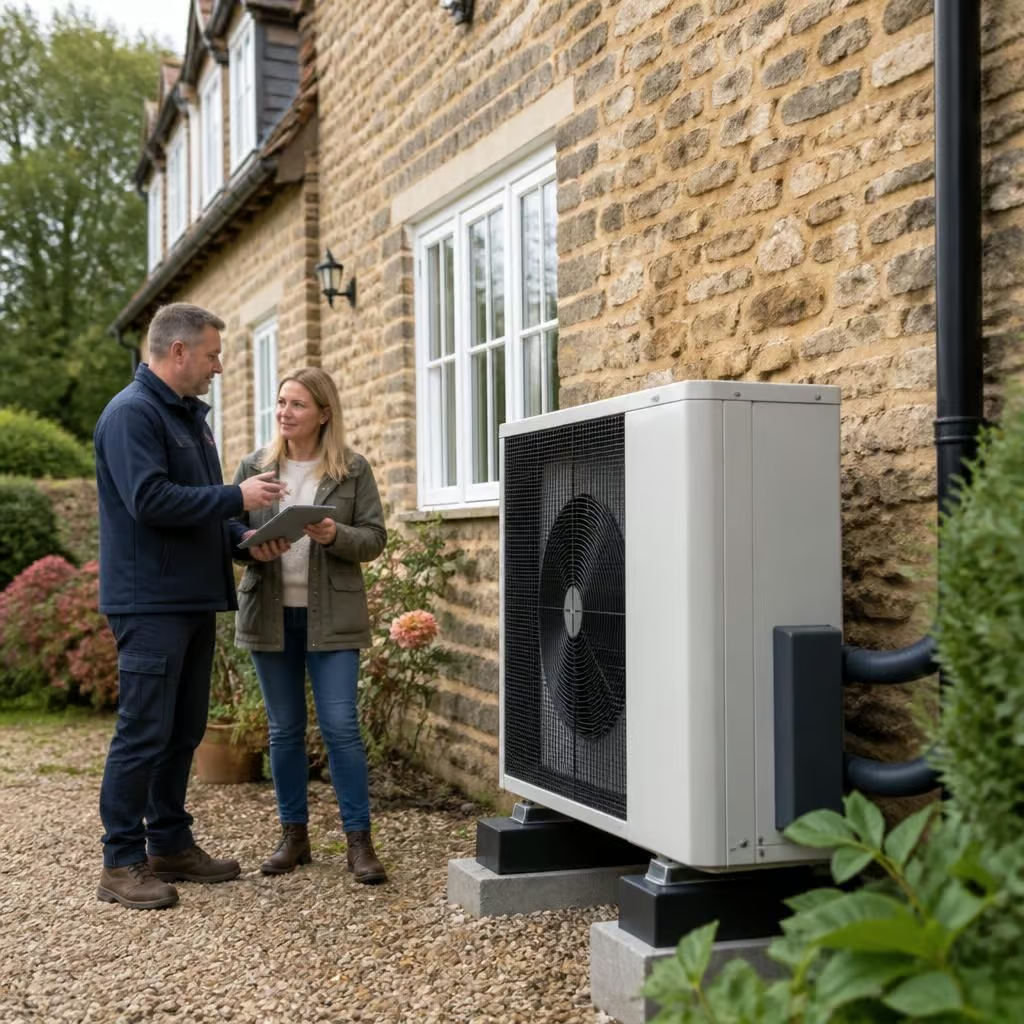
The outdoor unit needs a position with adequate airflow and a suitable route for the heating pipework and condensate drain. We consider its distance from windows, boundaries and neighbouring properties, as well as access for installation and future maintenance. A technically possible position is not automatically a sensible one.
Planning requirements can be relevant, particularly for listed buildings, conservation areas and properties with unusual elevations. We flag planning or consent issues during the design process rather than leaving them for you to discover later. The final position must also meet the relevant installation requirements.
Noise is another practical consideration. The outdoor unit produces a low operating sound while the fan and compressor run. We look at its position, nearby rooms and neighbouring properties, then select and place the equipment with those factors in mind.
Your electrical installation also needs to support the heat pump and its controls. We check the consumer unit, cable route and available supply. If an electrical alteration is needed, we can include it in the same project rather than leaving separate trades to coordinate it.
A heat pump may not be the right choice if the home cannot accommodate the equipment, if major alterations are unacceptable or if the expected heating pattern requires rapid high-temperature output. In some cases, improving the property first makes a later installation more sensible. In others, a different heating arrangement may be more appropriate.
We give you a clear view of those limitations before you commit. Our design considers:
- room-by-room heat loss and the required heat pump capacity;
- radiator output at heat pump flow temperatures;
- insulation, draughts and the construction of the property;
- hot water demand and cylinder location;
- the outdoor unit, pipework and condensate route;
- planning or listed-building considerations;
- the electrical supply and any consumer unit work; and
- how you use the heating and controls day to day.
The survey also gives us the information needed to compare the likely running cost with your current heating arrangement. We look at the fuel you use, the condition of the existing system and the improvements that would be needed. A general saving estimate cannot account for the way one particular house holds heat or how its occupants use the system.
Grant support may be available for an eligible installation, but the rules and funding position can change. Our MCS certification means we can make a Boiler Upgrade Scheme application on your behalf where the property and installation meet the scheme requirements. It also allows the completed system to qualify for the Smart Export Guarantee where the relevant conditions apply, although a heat pump itself does not generate electricity.
The sensible next step is a proper design assessment, not choosing equipment from the boiler’s output or the floor area alone. We explain what the property needs, which alterations are essential, what the installation will involve and where a heat pump would not be a good fit. That gives you enough information to make the decision on the evidence from your home.
A heat pump doesn’t have to be judged by the age or appearance of your house. The important question is whether the proposed system can meet the way your home actually needs heat.
During the assessment, we look at the rooms that are hardest to heat, the temperatures you expect and the space available for the equipment. That helps us identify practical limits before any design is agreed. If the home needs a particular alteration, we explain why it matters and what leaving it unchanged would mean.
You’re then left with a clear choice: proceed with the work the property needs, improve part of the system first, or consider a different heating arrangement. A heat pump is suitable when it works for the building and the people living in it, not simply because the equipment can be installed.