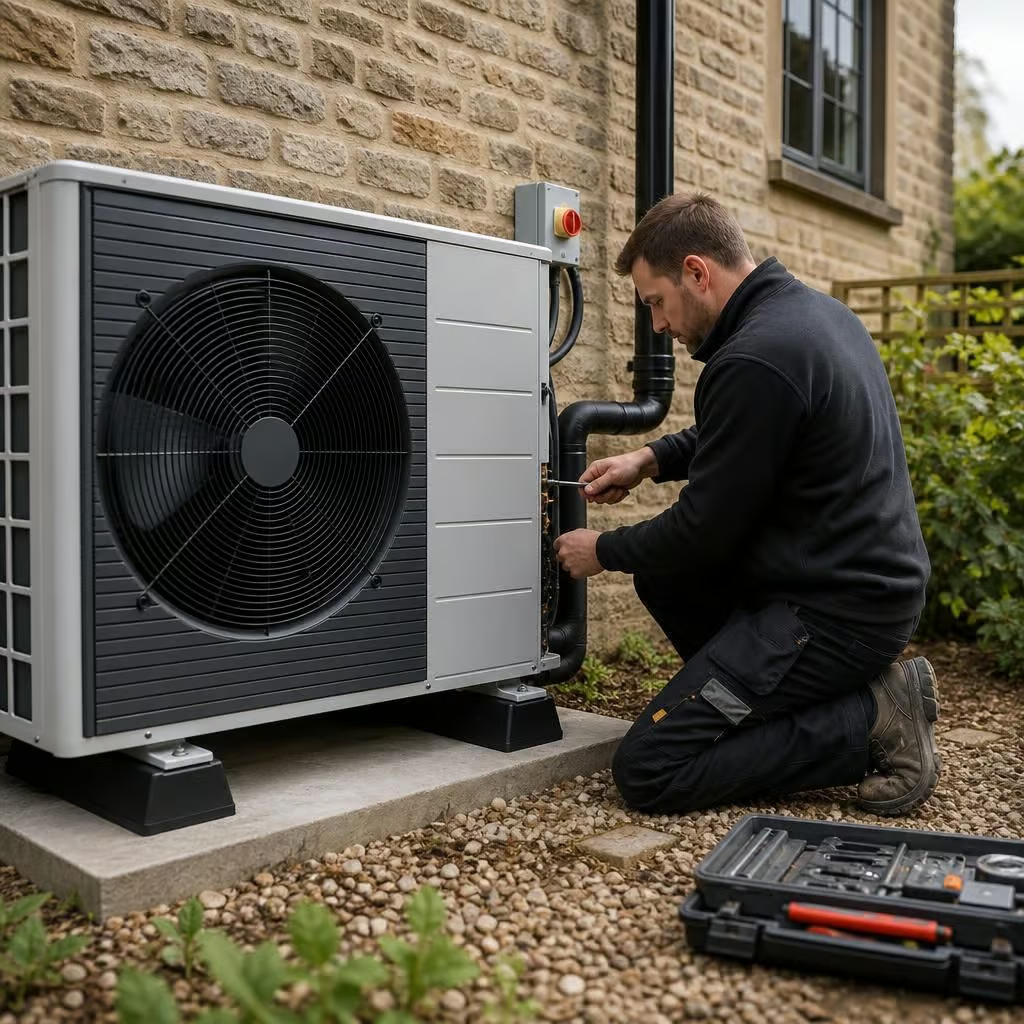
How long does heat pump installation take?
Most air source heat pump installations take more than one day, with the exact timetable depending on the property, heating system and preparation needed. We confirm the stages and expected duration after checking the home, radiators, pipework, electrics and heat pump location.
Heat pump installation is usually planned over several stages rather than as a one-day replacement. The overall timescale includes the survey, system design, preparation, fitting and commissioning. The physical installation commonly takes several days, but the exact programme depends on the house and the work needed around the heat pump.
The survey sets the timetable. We assess the heat loss of each room, the existing radiators, pipework, hot water cylinder, electrical supply and the proposed position for the outdoor unit. Access matters too. A barn conversion, solid-wall house or listed property can need more careful planning than a modern home with accessible services.
That assessment tells us whether the existing radiators can deliver enough heat at the lower flow temperatures used by a heat pump. It also shows whether pipework needs upgrading, whether the hot water cylinder is suitable and whether the consumer unit or supply needs electrical work. Finding these points before the installation starts prevents avoidable changes during the job.
Before fitting begins, we agree the design and preparation. This may include replacing or resizing radiators, altering pipe routes, installing a suitable cylinder, preparing the outdoor unit position and arranging any necessary electrical work. In some homes, preparation can be completed before the main installation. In others, it forms part of the same programme.
Older or off-gas-grid properties often need more preparation because their heating systems may use different pipe sizes, older radiators or an oil or LPG boiler. That does not rule out a heat pump. It means we need to design around the building rather than assume that the existing system can simply be disconnected and replaced.
The installation itself covers several connected jobs:
- Positioning and connecting the outdoor heat pump unit.
- Installing the indoor equipment and hot water cylinder where required.
- Connecting new or modified heating pipework.
- Completing electrical connections, controls and protection.
- Removing or isolating the previous heating equipment, if it is being replaced.
- Checking condensate drainage and the route of services through the property.
The duration increases when pipework must pass between floors, when the cylinder is in a different part of the house, or when radiators need changing in several rooms. Restricted access can also affect how equipment and materials reach the property. We identify these issues during the survey and include the work in the quotation rather than treating it as an unexpected extra.
Commissioning is the final part of the installation, not an optional check. We test the system, set the controls, check flow temperatures and balance the heating circuit. We also make sure the hot water settings and heating schedule match the way the household uses the home. The system should be understood before the engineers leave, so we explain the controls and the changes you may notice compared with a boiler.
Your heating may be unavailable for part of the work, particularly while the existing system is disconnected and the new pipework and cylinder are connected. Water and electricity may also need to be isolated during specific tasks. We explain the expected disruption before work starts and protect working areas while the installation is carried out.
The calendar can extend when the job involves separate preparation. Examples include radiator upgrades, consumer unit work, structural preparation for the outdoor unit or changes needed to make an older heating system suitable. Planning considerations can also affect the programme if the property is listed or in a sensitive location. We deal with the practical requirements as part of the design, rather than leaving them until the installation team arrives.
For a property eligible for the Boiler Upgrade Scheme, MCS certification means we can make the grant application on your behalf. The application and supporting paperwork form part of the project administration, so they should be considered alongside the physical work. The eligibility of the property and proposed system must be confirmed before relying on grant funding.
There is no reliable installation time that applies to every home. A straightforward property with suitable radiators, accessible pipework and an adequate electrical supply will have a shorter programme than a larger or more complex house needing upgrades. After assessing the property, we provide a written quotation and explain what happens before, during and after the fitting.
When comparing installation timescales, check that each quotation covers the complete project rather than just fitting the outdoor unit. The programme should show the design work, any radiator or electrical preparation, the main installation and commissioning.
This makes different quotes easier to compare. A shorter estimate may leave preparation or controls work outside the stated installation period. We set out the included work and expected sequence in writing, so you can plan around the parts of the project that affect your home.