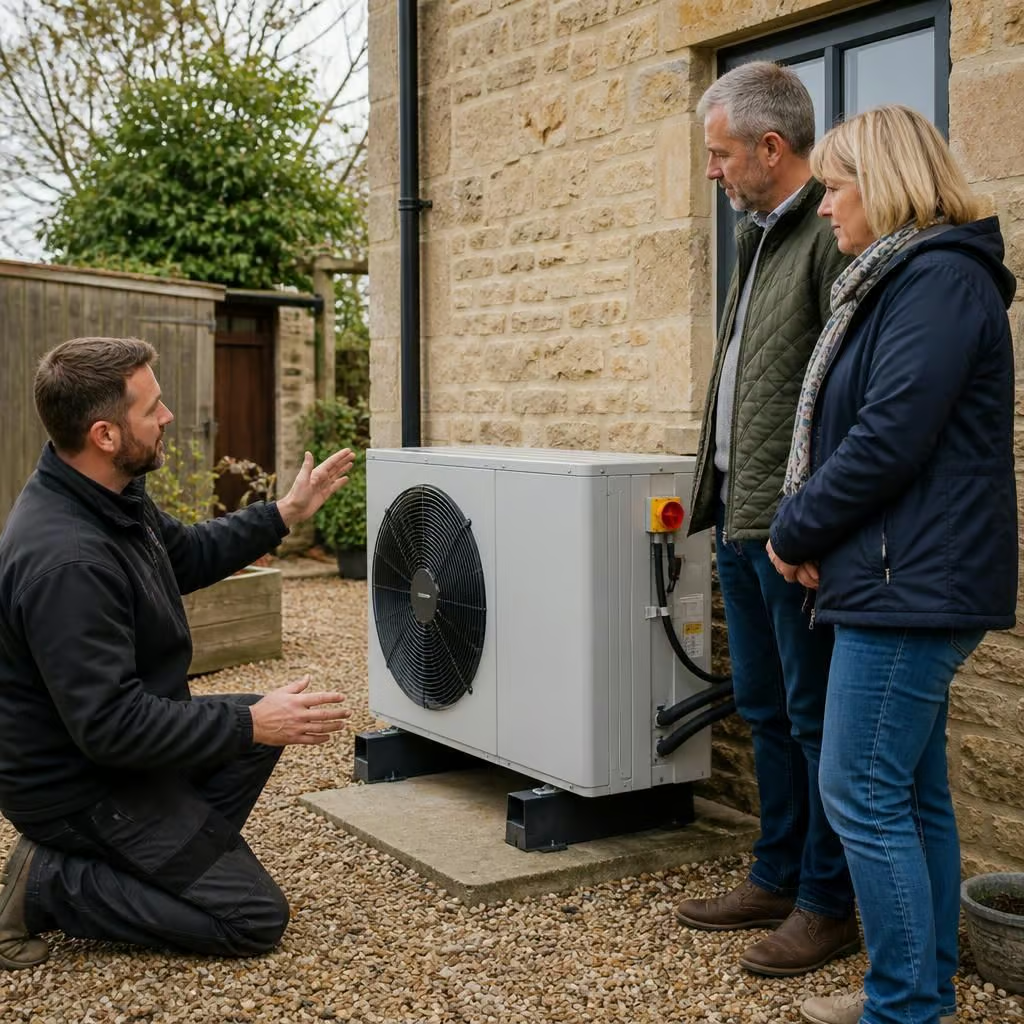
What does a heat pump heating system cost to install?
A heat pump heating system does not have one fixed installation price: the cost depends on your home’s heat loss, the heat pump size, cylinder, radiators, pipework and any electrical work needed. We assess those requirements before giving a written quotation, then explain whether grant funding may be available for your property.
There is no reliable single price for a heat pump heating system. The installation cost is set mainly by the heat loss of the property, the heat pump size, the condition of the radiators and pipework, and the electrical work needed. A small, well-prepared home can require far less work than an older property needing new emitters, pipework alterations and insulation improvements.
The equipment itself is only part of the cost. A proper quotation accounts for:
- the heat pump, controls and hot water cylinder;
- the heat-loss assessment and system design;
- radiators that need replacing or enlarging;
- pipework changes needed to deliver heat at a lower flow temperature;
- the electrical supply, consumer unit and protective equipment;
- the base, pipe routes and condensate drainage for an air source unit;
- removal of the old boiler and associated equipment;
- commissioning, balancing, instructions and the required certification; and
- any making good after work in floors, walls or cupboards.
Your existing radiators may work with a heat pump, but that cannot be assumed from their size alone. We calculate the heat loss from each room and compare it with the output of the existing radiator at heat pump operating temperatures. If a radiator is too small, replacing it forms part of the installation cost. That approach avoids fitting a heat pump that has to run at unnecessarily high temperatures.
Older homes need a closer look. Solid walls, draughts, high ceilings, extensions and large areas of glazing can all increase the heat demand. A barn conversion or listed building may also restrict where we can run pipework or place the outdoor unit. We identify these constraints during the survey, then separate essential work from improvements that can be considered later.
Insulation does not always need to be upgraded throughout the property before the system can be installed. However, reducing avoidable heat loss can affect the required heat pump size and the future electricity bill. We use the survey to explain which changes affect the heating design and which are not necessary for the installation.
The electrical side can add to the installation cost if the existing supply or consumer unit is unsuitable. We check the available capacity, cable routes, isolation and protection rather than treating the heat pump as a simple replacement for a boiler. If other electrical work is needed, we explain it as part of the overall design.
Grant funding can reduce the amount you need to pay, but eligibility depends on the property, the existing heating system and the current scheme rules. As an MCS-certified installer, we can make a Boiler Upgrade Scheme application on your behalf where the installation qualifies. The grant is not a reason to skip the survey: the design, eligible equipment and required paperwork must all meet the scheme conditions.
The installation price is separate from the cost of running the system. Electricity use depends on the home’s heat loss, the flow temperature, hot water demand, controls and electricity tariff. We can work through those factors using the property’s survey information. For an off-gas-grid home, it can also be useful to compare the expected electrical demand with actual oil or LPG use, rather than relying on a general estimate.
A lower quotation may leave out radiator changes, electrical upgrades, external groundwork or final commissioning. Ask each installer whether the price includes those items, what happens if the survey finds unexpected pipework, and who completes the electrical and heating work. A quote that clearly separates included work from possible additional work is easier to compare than a headline figure.
We assess the property before pricing the installation. The survey covers the building, rooms, heat emitters, pipework, hot water requirements, electrical supply and the proposed outdoor unit position. We then explain the design, any necessary alterations and the grant position before issuing the quotation. This gives you a cost based on the house you are heating, rather than an assumed system size.
The final figure should leave you knowing what will be installed, what preparation is required and what is excluded. It should also show how the system will work with your radiators, hot water and controls. That detail matters more than a generic heat pump installation price, particularly in an older or rural property.
The position of the outdoor unit can affect the installation cost as much as the equipment itself. A long route to the cylinder, difficult access or a condensate pipe that needs careful routing can add preparation work.
Inside the property, we also need space for the hot water cylinder and controls. In an older home, the best route may pass through floors, walls or cupboards, so the quotation should explain any access work and making good. We assess these practical details before pricing, rather than adding them after installation has started.