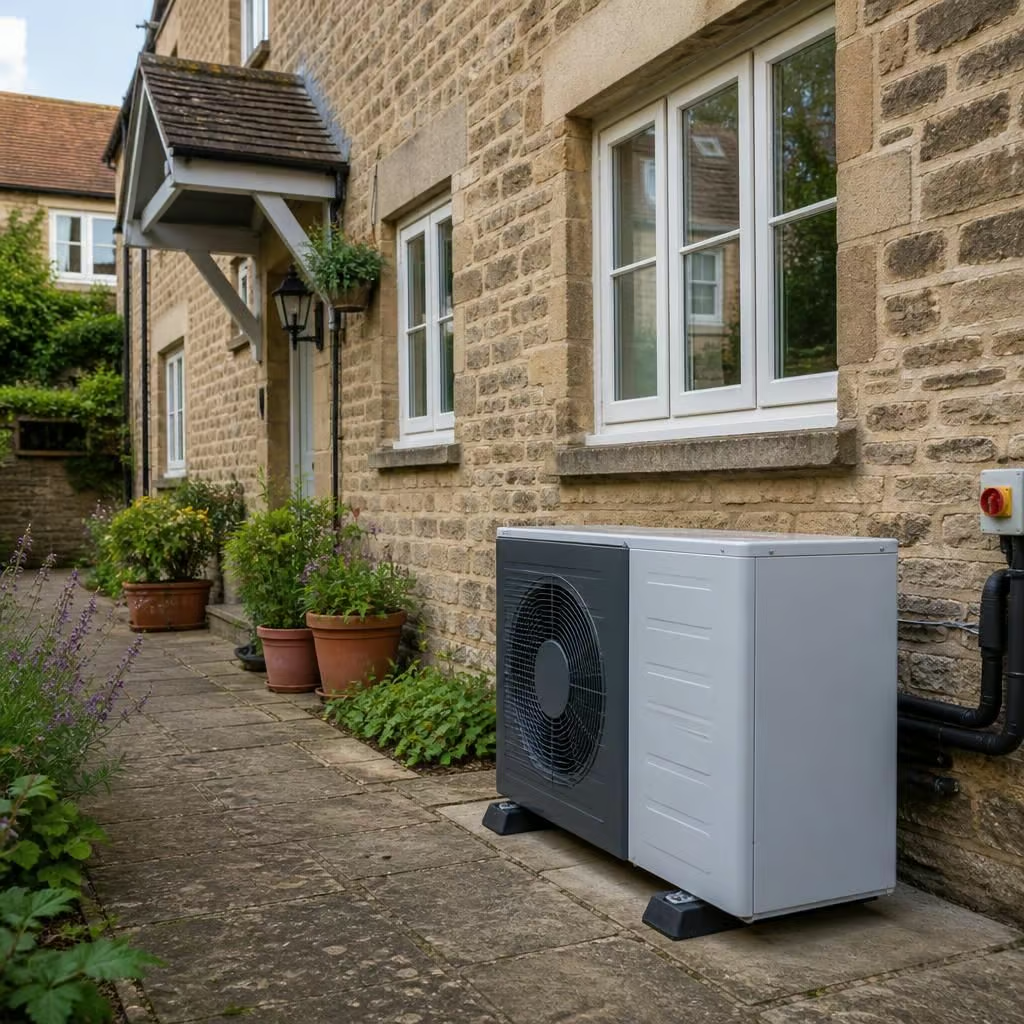
Can an older home accommodate a replacement heat pump?
Yes, many older homes can accommodate a replacement air source heat pump, including solid-wall, rural and off-gas-grid properties. We assess insulation, heat loss, radiator capacity, pipework, electrical supply and the outdoor unit position first, then explain any upgrades the home needs for efficient heating.
The age of the house is not the deciding factor. Many older properties can work well with a replacement heat pump when the building fabric, heating distribution and available space are assessed together.
Heat retention matters more than the date on the deeds. A heat pump normally heats water to a lower temperature than an oil, LPG or gas boiler. It then runs for longer periods to maintain a steady temperature. A home with uncontrolled draughts, poor roof insulation or damp building fabric may need attention before the heating system is changed.
Older houses do not always need major insulation work. We look at the existing construction first. A solid-wall cottage, barn conversion or listed property needs a different approach from a modern cavity-wall house. We consider the roof, floors, windows, doors and walls, along with ventilation and any signs of damp. This helps separate useful improvements from disruptive work that would make little difference.
Room-by-room heat loss gives the important answer. A whole-house estimate can miss a cold bedroom, an exposed sitting room or a room below an uninsulated roof. We calculate the heat loss of each room and use that information to size the heat pump and heating emitters. The result shows whether the proposed system can maintain the required temperature without relying on an electric immersion heater or supplementary heating.
Existing radiators may be adequate in some rooms but not others. A radiator designed for a boiler’s hotter water may not release enough heat at a heat pump’s lower operating temperature. We check the size and position of each radiator, then identify where a larger radiator, a different emitter or pipework changes may be needed. That prevents the system from being sized around an assumption that the existing heating will perform unchanged.
The heating system may need more than a new outdoor unit. A replacement heat pump can involve a hot-water cylinder, pumps, controls, pipework and changes to the electrical supply. Older homes sometimes have limited space for a cylinder or an electrical installation that needs upgrading before the new equipment can be connected. We include those practical points in the design rather than leaving them to be discovered during installation.
Space inside the house is part of the suitability check. A cylinder needs a suitable location, access for installation and enough room for associated pipework. If the current boiler is in a small cupboard, the replacement arrangement may need a different layout. We explain what would move, what would remain and where disruption is likely to occur before work starts.
The outdoor unit needs a considered position. An older property may have limited wall space, a narrow side passage or a visually sensitive frontage. We assess airflow, access, drainage and the distance from windows and neighbouring properties. Listed buildings and properties in conservation areas may also need additional planning checks. A technically suitable heat pump still needs a sensible location that works for the building and its surroundings.
Rural and off-gas-grid homes can be good candidates because replacing oil or LPG heating removes the need to burn fuel on the property. That does not make every off-grid home suitable. We still check the heat loss, electrical capacity, cylinder space and position for the outdoor unit. An existing oil boiler, tank or LPG system also affects the removal plan and the work involved.
Older construction can create details that need careful handling. Thick stone walls, solid floors, low ceiling voids and concealed pipework can make insulation or distribution changes more involved. We plan routes around the building rather than assuming that standard modern-house access is available. Where a property is listed or has unusual fabric, we identify the implications before recommending work.
A heat pump will not correct damp, failed pointing or serious draughts by itself. If those problems affect the building, we explain how they may influence comfort and running costs. We can then distinguish work needed for the heat pump from improvements that are optional or better handled separately.
The assessment should also consider how the home is used. Occupancy patterns, preferred room temperatures, hot-water demand and any rooms that are rarely heated all affect the design. We use the condition of the existing system and the way the property is occupied as supporting information, rather than sizing the replacement from an old boiler rating alone.
If the property needs changes, that does not automatically rule out a heat pump. It means the design needs to include the relevant radiator, pipework, insulation, electrical or cylinder work. We set out those requirements in the quotation so the decision is based on the complete installation rather than the price of the outdoor unit alone.
If the survey shows that a heat pump would not perform properly, we explain why before any commitment is made. The useful answer may be to improve part of the property first, retain the existing system for the time being or consider a different heating arrangement. A heat pump should be chosen because the home can support it, not because its age has been treated as an automatic reason to proceed.
Where the design is suitable, our MCS certification means we can make a Boiler Upgrade Scheme application on the installation’s behalf, subject to the scheme’s current rules. It also means the completed renewable installation can be eligible for the Smart Export Guarantee where the relevant requirements are met. We explain the paperwork alongside the technical design, so the grant position forms part of the property-specific decision.
An older home may feel different with a heat pump. It is designed to maintain a steady temperature rather than heat rooms quickly from cold. If the system is turned down for long periods, the house may take longer to warm again.
We set out how the heating and hot-water controls should be used during the survey. That gives you a realistic picture of daily operation, including the temperature settings and heating pattern the property is likely to need. The aim is a system that suits the way the home is occupied, not simply a replacement for the existing boiler.