
How long does replacing an air source heat pump take?
Replacing an air source heat pump has no fixed timescale; the duration depends on the system size, access, existing pipework and any radiator or electrical changes needed. We confirm the expected time after surveying the installation, then allow time for commissioning and testing before handing the system back.
The work around the heat pump usually determines the programme more than removing the outdoor unit. A like-for-like replacement can be relatively straightforward, while changes to the cylinder, pipework, radiators, controls or electrical supply add further stages.
Before installation, we review the existing system and confirm what can be retained. The survey covers the outdoor unit, indoor equipment, cylinder, pumps, controls, pipework and electrical connection. We also look at access for removing the old unit and bringing in the replacement. This gives you a clearer scope before work starts, rather than discovering every change after the system has been drained.
On the first installation day, we isolate the system and drain the relevant circuits. We then remove the old heat pump and inspect the base, pipework and cables. Corrosion, restricted flow or unsuitable pipe sizes can only become clear once the existing equipment is exposed. If we find a condition that changes the agreed work, we explain it before carrying out additional work.
Your existing hot-water cylinder may be suitable for reuse, but that depends on its condition and its connection to the heat pump. A replacement may also need new valves, sensors, pumps or controls. If the cylinder is being changed, we allow time to disconnect it, alter the pipework and test the hot-water cycle separately from the heating.
Older properties often need more attention to the internal system. Long pipe runs, solid-wall construction, barn-conversion layouts or several heating zones can make cable and pipework routes less direct. If radiators or pipe sizes need changing, we plan that work alongside the heat-pump replacement instead of treating it as an afterthought.
The electrical connection can affect the programme as well. We check the supply, protective devices, isolator and cable route before the replacement is connected. If the consumer unit or supply needs an upgrade, that work must be completed and tested before the heat pump can be commissioned safely.
Access matters from both sides of the installation. A clear route to the outdoor unit helps us remove the old equipment and position the replacement safely. Restricted access, roof work, long internal routes or a unit that needs specialist lifting can add preparation to the installation.
Once the equipment is connected, we fill and vent the system, check for leaks and confirm the water flow. We set the controls, test heating and hot-water operation, and check that the outdoor unit responds correctly. Commissioning is not just switching the system on: we use it to identify faults, incorrect settings or poor circulation before we finish.
We also explain the controls and leave the commissioning information with you. If the property has more than one heating zone, we test each zone rather than assuming that one warm radiator proves the whole system works. The replacement is ready for normal use only after these checks are complete.
A useful quotation should separate the equipment replacement from possible supporting work. It should identify the condition of the cylinder, the expected pipework changes, electrical requirements, access arrangements and commissioning. We provide a written quotation before work starts, so you can compare the scope as well as the installation time.
For a replacement in an older or off-gas-grid property, the right programme is the one that includes the necessary remedial work. Compressing the installation by leaving unsuitable pipework, controls or electrical protection in place can create faults later. We would rather explain why an extra stage is needed and leave a system that has been properly tested.
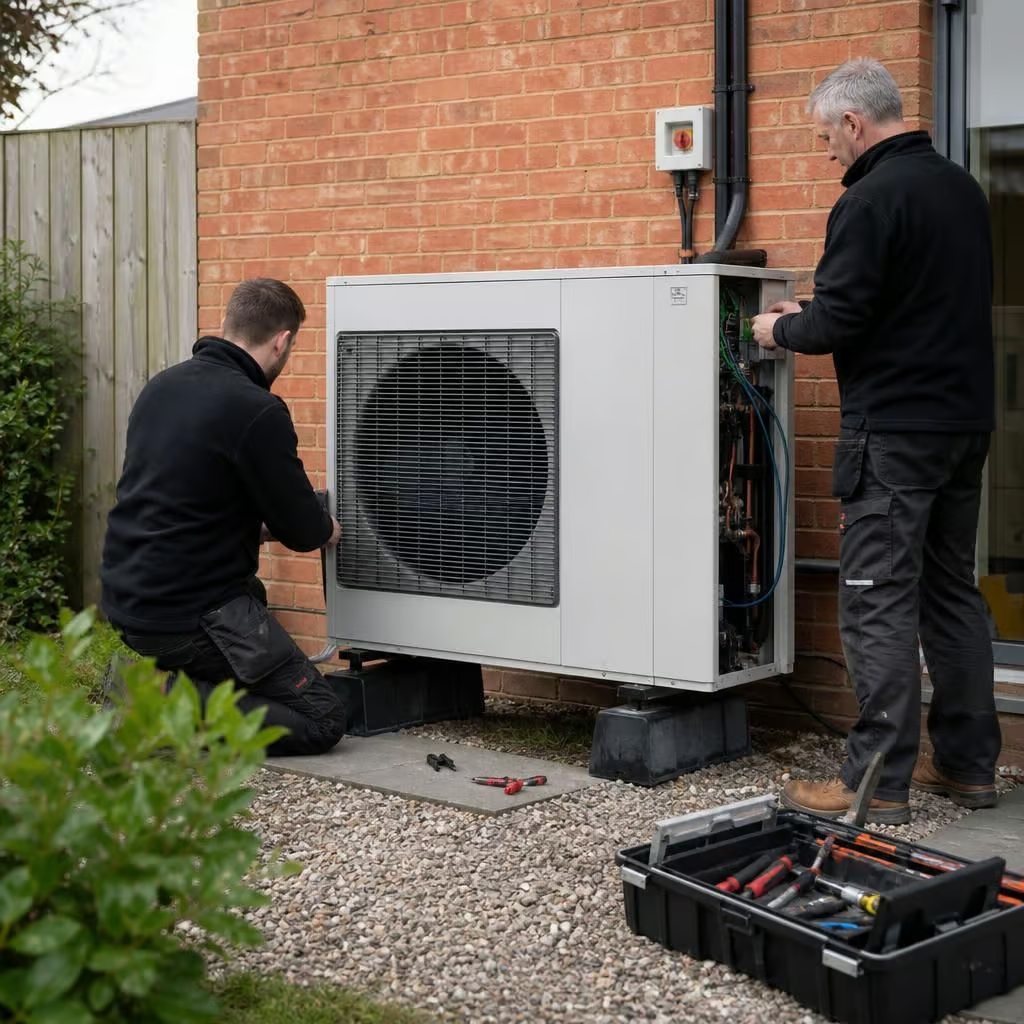
The amount of disruption depends on where the replacement work sits. If the existing connections remain suitable, we can keep the work focused around the plant areas and outdoor unit. If pipework or heating emitters need altering, rooms along those routes become part of the programme.
We explain which areas will be affected before work starts, along with any need to move furniture or provide access to cupboards and service routes. That gives you a more useful timescale than treating every heat pump replacement as the same job.