How often should an air source heat pump be serviced?
Most air source heat pumps should be serviced once a year, in line with the manufacturer’s instructions. Regular servicing checks the system is operating safely and efficiently, while identifying wear or faults before they cause a breakdown.
The correct interval depends on the heat pump model, how hard it works and the manufacturer’s instructions. A system used as the main heat source deserves a planned service every heating year, while a manufacturer may set a different requirement. The service record should follow that guidance rather than a generic calendar rule.
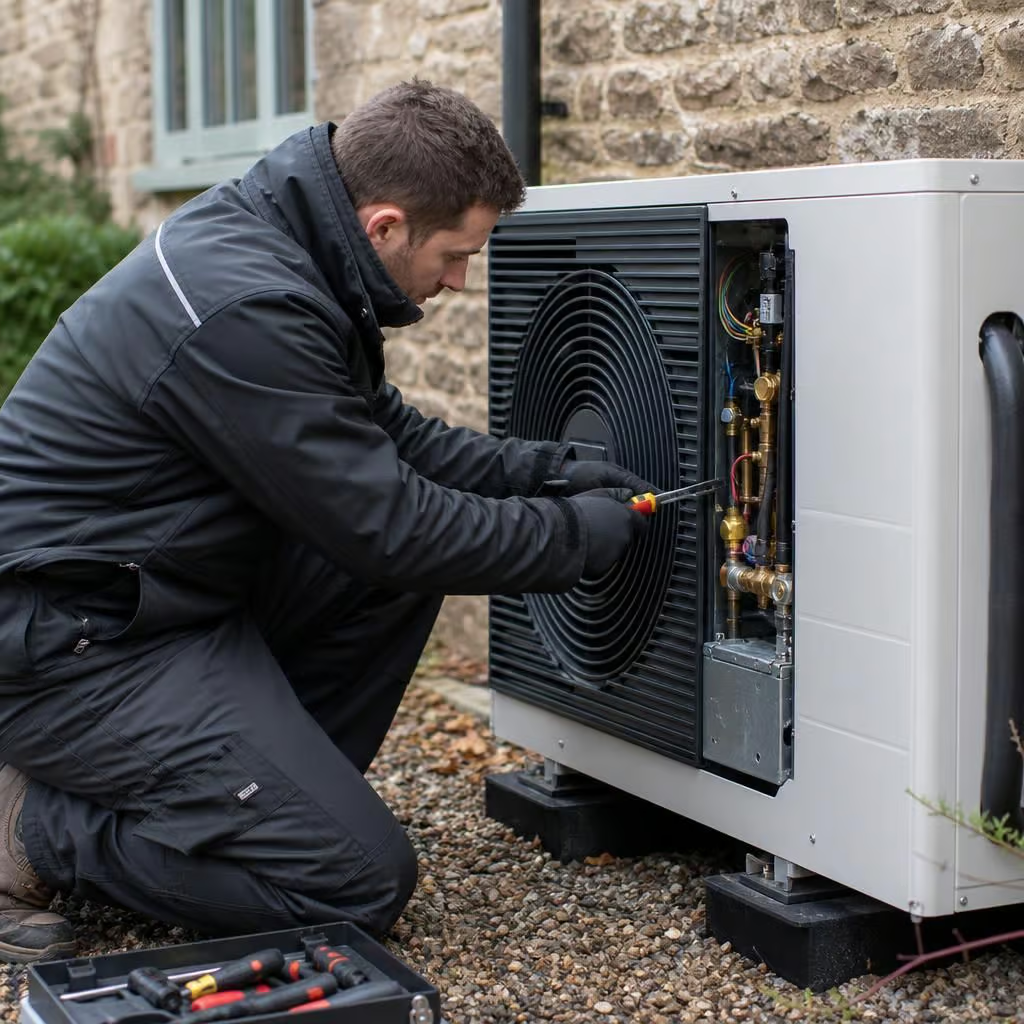
A service is more than checking whether the unit switches on. We inspect the outdoor unit, fan, coil, guards and surrounding airflow. Leaves, mud, long grass and other debris can restrict the air the heat pump needs to operate. We also check the condensate drain, because a blockage can cause water to freeze or back up around the unit.
Inside the property, we check the controls, circulation, pipework, system pressure and heat emitters. We look for signs that air is trapped, flow is restricted or the heat pump is relying too heavily on its backup heater. On a system with underfloor heating, radiators or a hot-water cylinder, the settings and performance need to work together.
Electrical connections, safety controls and error history form part of the inspection too. We compare operating readings with the manufacturer’s expected range and investigate unusual cycling, poor defrosting or a change in hot-water performance. These checks can identify a developing fault before it leaves the property without heating.
Some conditions justify asking for advice sooner than the normal service interval. These include:
- Repeated warning messages or unexplained shutdowns.
- New or worsening noise from the fan, pump or pipework.
- Rooms taking longer to reach temperature.
- A noticeable increase in electricity use without a change in heating habits.
- Ice that remains on the outdoor coil after the normal defrost cycle.
- Water around the outdoor unit, cylinder or heating pipework.
Homes near trees, building work or dusty areas may need more frequent cleaning of accessible filters and outdoor components. A heat pump working hard to heat an older home can also benefit from an earlier performance check if comfort or running costs change. We assess the property and the system rather than recommending an extra visit without a reason.
There are a few checks you can make between services. Keep the outdoor unit clear of stored items and vegetation, clean any user-accessible filters as the manual describes, and note error codes rather than repeatedly resetting them. Don’t remove covers, alter refrigerant circuits or change installer settings yourself. Those parts require the appropriate technical checks.
Booking before the main heating season gives us a useful opportunity to deal with minor issues before the system is working at its hardest. It also gives you time to consider any recommended repair or adjustment. If the system has just been installed, check the commissioning and warranty paperwork for any first inspection or servicing condition.
Keep the service report with the installation documents. Manufacturers may ask for evidence of maintenance when considering a warranty claim, and the history helps an engineer understand changes in performance over time. If we find remedial work, we explain what has caused it and provide a written quotation before starting additional work.
If your heat pump is working normally, a service does not mean replacing parts simply because the calendar says so. We assess the condition of each accessible component and recommend replacement only where wear, damage or test results justify it.
That keeps the service focused on maintaining the system rather than adding unnecessary work. If we do find a repair issue, we explain the reason clearly and provide a written quotation before carrying out anything beyond the agreed service.