What does heat pump troubleshooting cost?
Heat pump troubleshooting costs vary according to the diagnostic time, the fault found and whether parts are needed. We identify the cause first, then explain the repair and provide a written quotation before any further work starts.
Heat pump troubleshooting does not have one standard price. The bill depends on the time needed to find the cause, the tests involved and whether the fault needs parts, follow-up work or changes to the wider heating system.
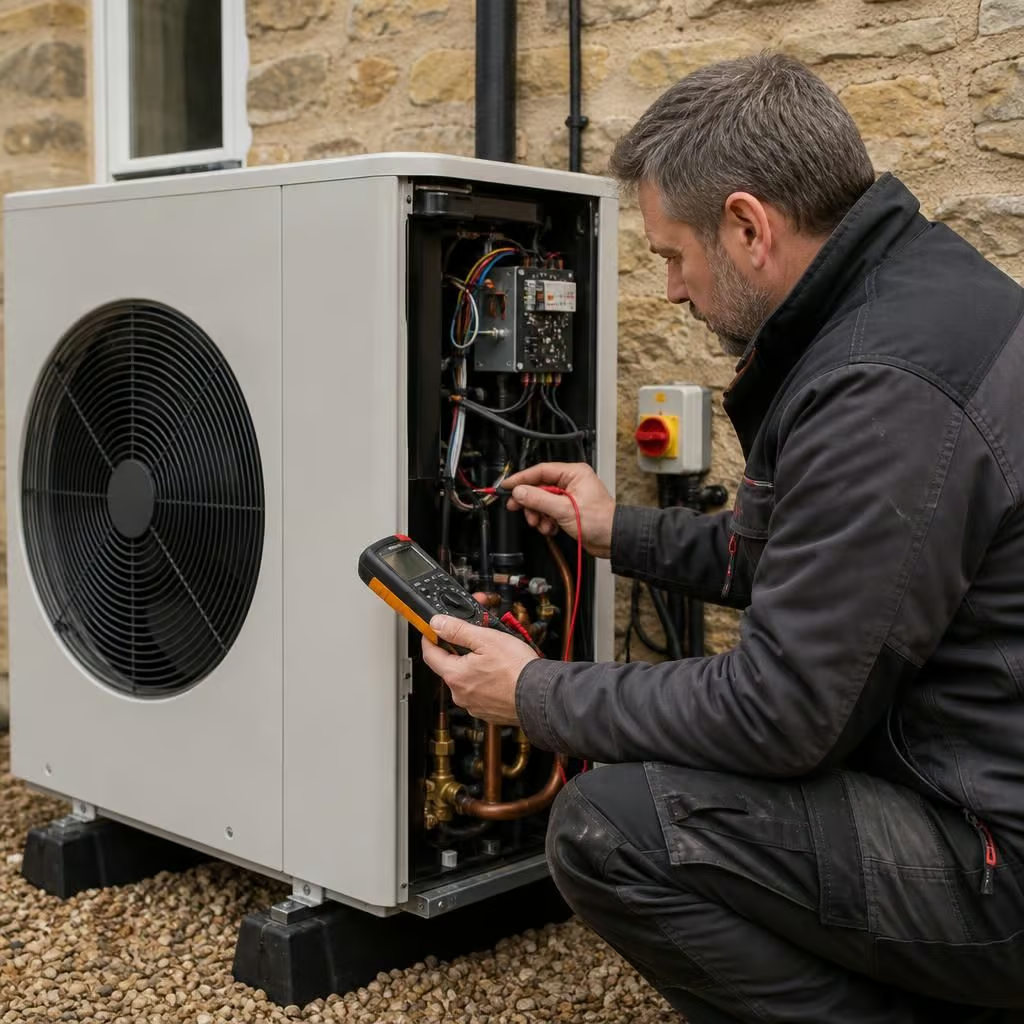
The main cost is usually the diagnostic work. A heat pump fault can come from the outdoor unit, controls, sensors, circulation system, electrical supply or the heating circuit. An engineer may need to check error codes, temperatures, pressures, flow rates, valves, wiring and the system controls before identifying the failed component. A simple control fault may take less time to resolve than an intermittent fault that only appears during heating or hot-water operation.
Your invoice may therefore include several separate elements:
- Diagnosis: the time spent inspecting the system, taking readings and tracing the fault.
- Repair labour: the work needed to replace, adjust or recommission a component.
- Parts: such as a sensor, actuator, pump, valve, control or electrical component, if testing shows that one has failed.
- Additional visits: sometimes needed when a part must be ordered or when the system needs checking under different operating conditions.
A displayed fault code does not always identify the part that needs replacing. It records what the controls have detected, but the underlying cause may be a wiring issue, restricted circulation, incorrect settings or a component that is giving an inaccurate reading. Replacing parts without testing can increase the cost without fixing the original problem.
Some faults need only a small adjustment. Incorrect schedules, a control setting, trapped air or a circulation problem may explain poor heating without a major component failure. Other symptoms point to more involved work. Repeated shutdowns, unusual noise, low heat output, poor hot-water performance or an outdoor unit that will not complete its operating cycle all need proper testing rather than repeated resets.
The age and design of the installation can also affect the cost. Older heat pump systems may use discontinued controls or components that take longer to identify. An installation that combines the heat pump with a cylinder, underfloor heating, radiators, solar generation or battery storage may require checks across several connected systems. A fault in one part can look like a fault in another.
Your home can affect the diagnosis too. Older properties with existing radiators, long pipe runs or solid-wall construction may need different flow temperatures and control settings from a newer, well-insulated house. That does not automatically mean the heat pump has failed. We check the system’s operating conditions before recommending replacement equipment or major alterations.
Before arranging a visit, it helps to record the exact error message, when the problem occurs and what the controls show. The heat pump make and model, installation date, recent changes to the heating system and any recent electrical work can also shorten the investigation. Photographs of the controls and outdoor unit may help us understand the symptom before attending.
Do not remove covers or work on electrical, refrigerant or pressurised components yourself. If the system has stopped, note whether the rest of the electrical supply is working and check only the user instructions for safe reset steps. Repeatedly resetting a unit can hide useful fault information and may allow a developing problem to continue.
We test the system before recommending a repair. If the cause is clear and the work is straightforward, we explain what needs doing. If the diagnosis points to a larger repair, obsolete equipment or a system-design issue, we set out the options and provide a written quotation before that work starts. This lets you compare the cost of repair with replacement or wider improvements without committing to work that the tests do not justify.
Ask for the quotation to show what it includes: diagnosis already carried out, labour, parts, commissioning, any return visit and applicable VAT. That makes it easier to compare quotes that may use different charging structures. A low initial diagnostic charge is not necessarily the lower overall cost if it excludes testing or follow-up work.
For a heat pump that is still operating but performing poorly, keep a note of room temperatures, hot-water performance and electricity use shown by the system. These details help separate a component fault from a control, radiator or system-balancing issue. For a complete shutdown, provide the error code and system details when you contact us so we can plan the investigation around the equipment already installed.
The most useful outcome of heat pump troubleshooting is a clear decision, not simply a replaced component. If testing shows that the fault is minor, we explain the adjustment or repair needed. If the cost of further work needs weighing against replacement, we set out both options before you commit.
That distinction matters when a system has stopped working but the cause is uncertain. Paying for proper diagnosis can prevent money being spent on parts that do not address the fault, while giving you a sound basis for deciding what happens next.