
How much does heating system repair cost?
Heating system repair cost depends on the fault, boiler type, replacement parts and how accessible the system is, so there is no reliable single price. We diagnose the problem first and provide a written quotation before work starts, so you can decide whether repair is sensible.
There is no reliable standard price for heating system repair. A straightforward adjustment or replaceable component will cost less than a fault involving several parts, difficult access or an ageing appliance. The useful figure comes from identifying the failed component, checking the rest of the system and separating repair costs from replacement costs.
What makes up the bill
- Diagnosis and testing: The engineer needs to trace the fault rather than replace parts by guesswork. That may involve checking controls, electrical readings, pressure, circulation, the flue and safety devices.
- Labour: The time required depends on how accessible the boiler, cylinder, pump or controls are, and whether the system needs draining, flushing or recommissioning.
- Parts: Common repair items include sensors, thermostats, pumps, diverter valves, fans and ignition components. A circuit board or heat exchanger usually has a greater effect on the total cost.
- Additional work: A failed boiler may have exposed a weak electrical connection, restricted pipework, poor circulation or a control fault elsewhere. Correcting that issue can be necessary for the repair to work safely and reliably.
Your heating system may also include radiators, room controls, pumps, hot-water controls and pipework. A boiler that fires but leaves some rooms cold may not have a boiler fault at all. We check circulation and controls before recommending an expensive component.
Why two similar-looking repairs can cost different amounts
A boiler in a clear utility room is usually easier to work on than one fitted tightly inside a cupboard. A repair may take longer where panels are difficult to remove, pipework has been altered over the years or the engineer needs to protect finished surfaces.
Parts availability matters as well. A current appliance may have a readily available replacement part, while an older model may need a harder-to-source component or a suitable alternative. We explain that position before work goes ahead, rather than allowing a repair to become an open-ended exercise.
Oil-fired systems and boilers on rural properties can have different repair requirements from mains-gas appliances. An oil burner, tank, filter, fuel line and electrical controls all need consideration. Our OFTEC registration covers work on oil-fired systems. For gas appliances, Gas Safe registration is the legal requirement for the engineer carrying out the work.
When repair is usually the sensible choice
Repair is often worth considering when the fault is isolated, the appliance has a sound heat exchanger and casing, replacement parts remain available and the system has not developed a pattern of failures. A modest repair can extend the useful life of a boiler that is otherwise working properly.
Your engineer should still check the wider condition of the appliance. A new part will not make an old boiler a good repair candidate if several other components are failing, safety checks cannot be completed or parts are no longer supported.
When replacement may be better value
Replacement can make more sense when the boiler has had repeated faults, a major component has failed, suitable parts are unavailable or the system no longer meets the home’s heating and hot-water needs. The initial cost will be higher than a single repair, but it may avoid paying for several separate faults over time.
That decision should account for more than the boiler itself. A replacement may involve changes to the flue, condensate route, controls, gas or oil connections, radiators, pipework or electrical supply. On an older property, these details can affect both the scope and the final price.
We compare the repair with the replacement option in practical terms: what has failed, what other components show wear, how long the existing system is likely to remain supportable and what work each option involves. We do not treat replacement as automatic simply because a boiler is old.
How to compare heating repair quotations
A low headline figure may not include the same work as a higher one. Check whether the quotation identifies the failed part, labour, testing, system draining or refilling, and any required follow-up work. It is also reasonable to ask what happens if the proposed repair does not resolve the fault and what cover applies to the replacement part.
We set out the proposed work and cost before starting. If testing reveals a separate problem, we explain it before adding work. That gives you the choice to repair, postpone non-essential work or compare the cost with replacement.
Ways to prepare before booking
- Note the boiler make, model and approximate age if you know them.
- Record any fault code, unusual noise, leaking water or pressure change.
- Say whether the problem affects heating, hot water or both.
- Explain whether the fault is intermittent or present every time the system runs.
- Mention any recent work to radiators, controls, electrics, oil equipment or pipework.
Those details can help us bring suitable parts and allow more focused testing. Do not remove the boiler casing or reset an appliance repeatedly to keep it running. If you smell gas, see signs of leaking fuel or suspect an unsafe appliance, stop using it and follow the relevant emergency safety guidance.
The right repair cost is therefore the cost of correcting the actual fault safely, not simply the price of the first part that appears to have failed. A proper comparison should show the immediate repair, any related work and the replacement alternative where that would be more sensible for the property.
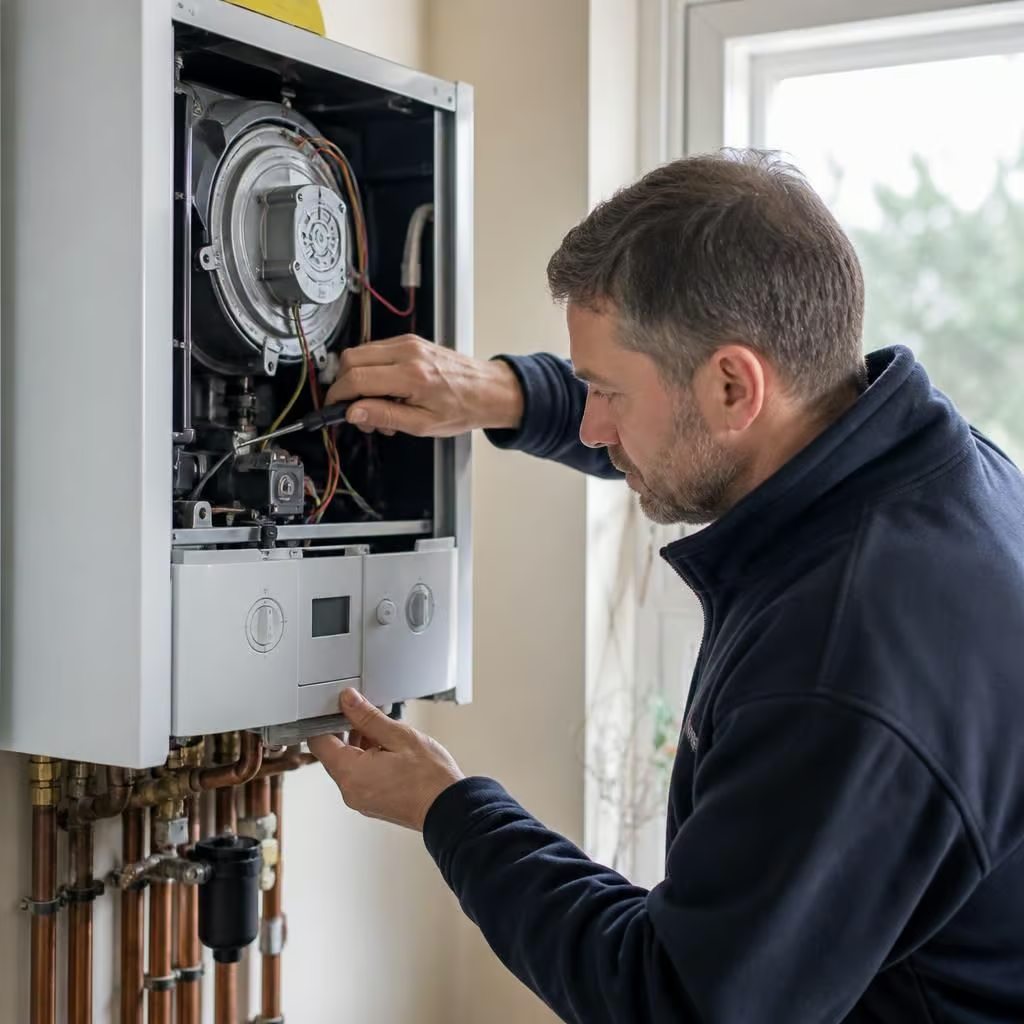
The figure that matters is the cost of restoring dependable heating, not simply getting the boiler to fire once. If testing finds a wider issue, we explain what needs attention now and what can wait. You can then choose a limited repair where it’s safe, or plan further work with a clear scope and cost.