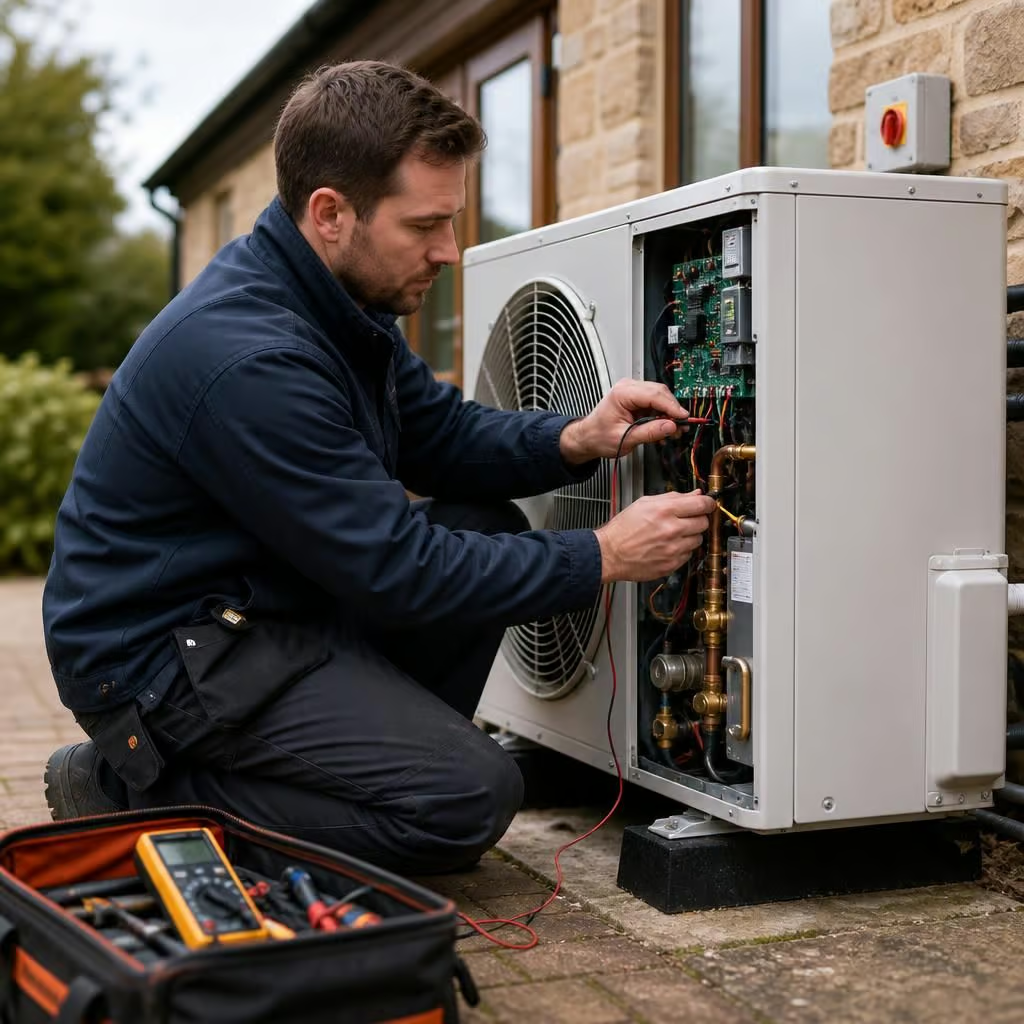
How much does heat pump repair cost?
Heat pump repair costs vary with the fault, replacement parts and access to the system, so there is no reliable price without a diagnosis. We identify the cause first, then provide a written quotation before work starts, so you can decide whether repair is worthwhile.
There is no standard heat pump repair price. A minor control or sensor fault usually involves less work than a refrigerant, compressor or water-side failure. The final cost depends on the failed component, access to the system, parts availability and whether the fault has caused further damage.
For a useful estimate, the repair normally has three parts:
- Fault-finding: checking the outdoor unit, indoor controls, electrical supply, water circuit and system readings.
- Labour: removing the failed component, fitting the replacement and testing the system afterwards.
- Parts and specialist work: such as a sensor, circulation pump, valve, fan motor, control board or refrigerant-circuit component.
A heat pump that has stopped completely is not always expensive to repair. A tripped electrical protection device, failed sensor or control issue may have a relatively contained remedy. The fault still needs proper testing, because resetting the system without finding the cause can leave the underlying problem unresolved.
More involved repairs can cost more because they require specialist components or additional testing. This may include a compressor fault, refrigerant leak, damaged fan motor, failed inverter or a problem with the water-side circuit. Refrigerant work also requires the correct recovery, leak testing and recharge procedures rather than simply topping up the system.
Your heat pump may show an error code, but that code does not always identify the failed part. We use it alongside electrical tests, temperature readings, pressure checks and inspection of the system. That helps avoid replacing an expensive component when the real cause is a wiring fault, blocked filter, failed valve or restricted flow.
The design of the heating system can also affect the repair. An air source heat pump may appear to be faulty when poor circulation, trapped air, unsuitable settings or a dirty filter is preventing heat from reaching the radiators or underfloor circuits. We check the heat pump and the connected heating system together, so the repair addresses the cause rather than only the symptom.
Older properties can need more investigation. Solid-wall homes, barn conversions and off-gas-grid properties may have mixed radiator sizes, extended pipe runs or previous changes to the heating system. These details can affect flow rates and operating temperatures. They do not automatically mean that the heat pump needs replacing.
Some of the costs worth asking about before approving work are:
- Whether the initial diagnostic visit is charged separately.
- Whether the estimate includes labour, parts and system testing.
- Whether refrigerant recovery or recharging is needed.
- Whether a temporary repair is being proposed or the underlying fault will be corrected.
- Whether the required part is available or needs to be ordered.
- What happens if further damage is found once the system is opened.
Repair is often worth considering when the fault is clear, the main equipment is in sound condition and replacement parts remain available. Replacement may deserve consideration when the system has suffered repeated major failures, an essential component is obsolete, or the repair would not be sensible for the remaining serviceable life of the equipment. We can explain that choice rather than assuming that a failed part means a new heat pump is needed.
Before arranging an assessment, note the model, any displayed fault code, when the problem began and whether the system stopped heating, stopped producing hot water or began making an unusual noise. Tell us about recent electrical, plumbing or heating work as well. Do not remove covers or work on the refrigerant circuit yourself.
We inspect the fault, explain the work required and give a written quotation before repairs begin. If the cost makes replacement more sensible, the same assessment can identify which existing pipework, radiators, controls or electrical connections may be reusable.
A fault that appears only during defrost, hot-water demand or very cold weather can take longer to pin down than a complete shutdown. We test the system under the conditions linked to the problem, rather than replacing the first part suggested by an error code. That helps separate a failed component from a control setting, restricted flow or an electrical connection that is breaking down intermittently.
If the repair is approved, the quotation should make clear what happens if testing reveals a second fault. We explain any change before carrying out extra work, so the final decision remains yours. Where a repair is not sensible, the diagnostic findings give you a clearer basis for comparing repair with replacement, rather than paying for parts that may not resolve the problem.