
How often should an air source heat pump be serviced?
Most air source heat pumps should be serviced once a year, following the manufacturer’s guidance. Regular servicing checks the system’s operation, filters, water circuit and electrical connections before small faults become larger repairs.
Use the manufacturer’s stated interval as the deciding rule. For a standard domestic installation, that normally means arranging one professional service each year. The date matters less than keeping the visits consistent, so many homeowners choose a point before the main heating season.
A new installation still needs servicing. The first visit provides an opportunity to confirm that the system is operating as designed after it has settled into normal use. We can review operating temperatures, heating performance, system pressure and the condition of the installation. If the manufacturer sets a different inspection interval, we follow that guidance instead.
Several factors can justify closer attention. A heat pump working hard in a large, heavily occupied home may need more frequent checks than a lightly used system. An outdoor unit exposed to leaves, dust, mud or agricultural debris also needs careful monitoring. Properties with older radiators, mixed heating circuits or previous plumbing alterations may need additional checks because the heat pump depends on the whole heating system, not just the outdoor unit.
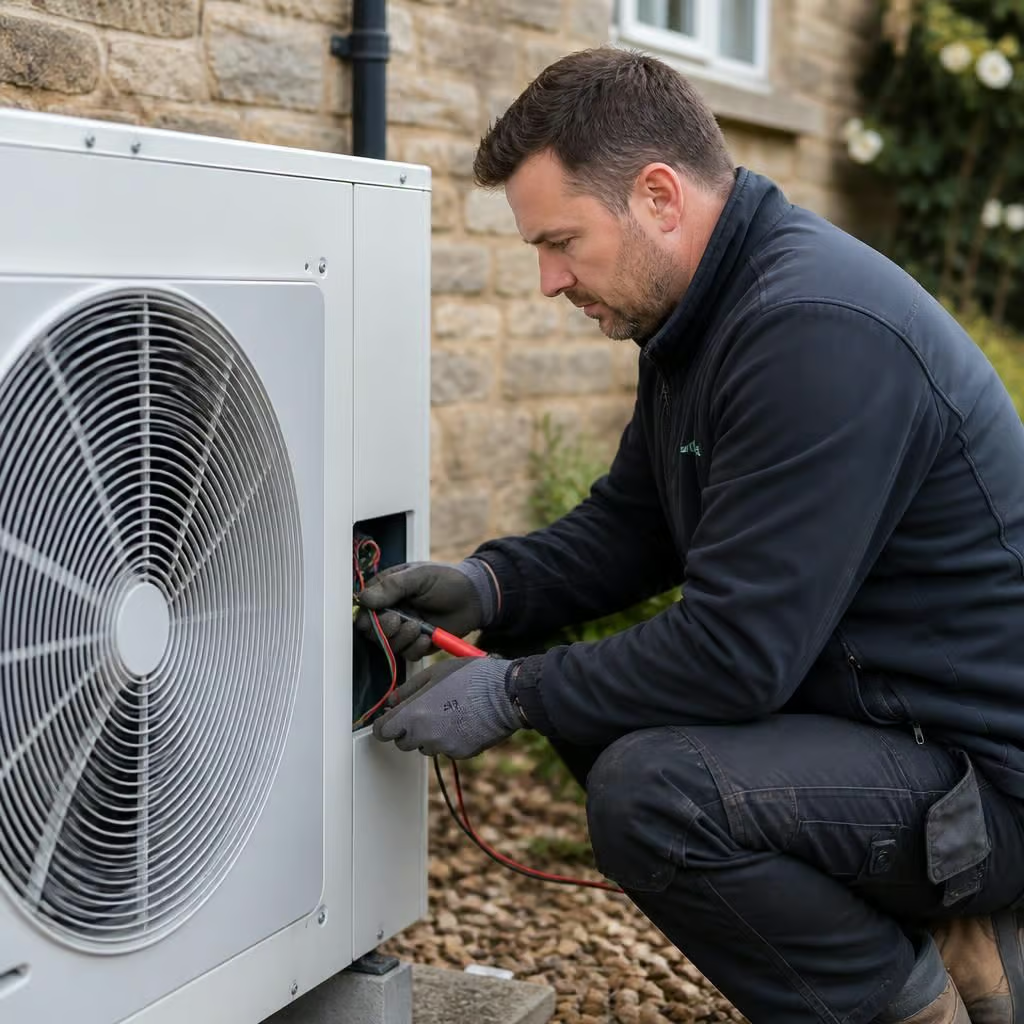
During a service, we inspect the outdoor unit and its airflow, remove suitable debris, and check that the fan and casing are in good condition. We look for unusual vibration, signs of leakage, poor drainage and damage around the unit. The condensate route must remain clear, particularly where frozen water could create a slip hazard or restrict drainage.
We also assess the heating circuit and the way heat is reaching the rooms. That includes checking temperatures, circulation, pressure and the condition of accessible pumps, valves, vessels and connections. If some radiators remain cool or rooms take longer to heat, the service can help identify whether the cause is balancing, circulation, insulation or a fault within the heat pump system.
The electrical side receives attention as well. We check accessible connections, protective devices and signs of overheating or damage. We test the system’s operation through its normal heating and hot-water cycles where the installation allows it, rather than relying only on a visual inspection.
A service is not the same as a repair. Routine maintenance records the condition of the system and identifies developing issues. If we find a failed component, a leak, damaged wiring or a control problem, we explain the repair needed before carrying out additional work. A service cannot prevent every breakdown, but it gives you a clearer record of the system’s condition and can expose faults before they become more disruptive.
Contact us sooner if the heat pump is producing less heat, running for unusually long periods, making a new noise, repeatedly losing pressure or showing a fault code. Water around the indoor unit or outdoor pipework also needs investigation. Switching the system off may be appropriate for a serious leak or electrical fault, but follow the manufacturer’s instructions and do not remove covers yourself.
There are useful checks between services. Keep leaves, stored items and vegetation away from the outdoor unit so air can move freely. Do not pressure-wash the coil or push objects through the grille. Check that the drainage outlet remains unobstructed and report changes in noise, temperature or system behaviour rather than waiting for the next planned visit.
Keep the service report with the installation documents. It should record any readings, faults found, work completed and recommendations for follow-up. That information helps us compare performance over time and gives the next engineer a useful history if a repair is later required.
We service air source heat pump systems as part of wider heating work, including the radiators, pipework and associated hot-water equipment. That matters when a problem is not limited to the heat pump itself. If the system is installed in an older or off-gas-grid property, we can assess the heat pump alongside the existing heating arrangement and explain what needs attention without assuming that replacement is the only answer.
If your heat pump also provides summer cooling, mention it when arranging the service. The system may behave differently in cooling mode, particularly around condensate drainage and controls.
We test each enabled operating mode rather than checking heating alone. That gives you a clearer record of whether the heat pump, controls and drainage are ready for the conditions you use at home.