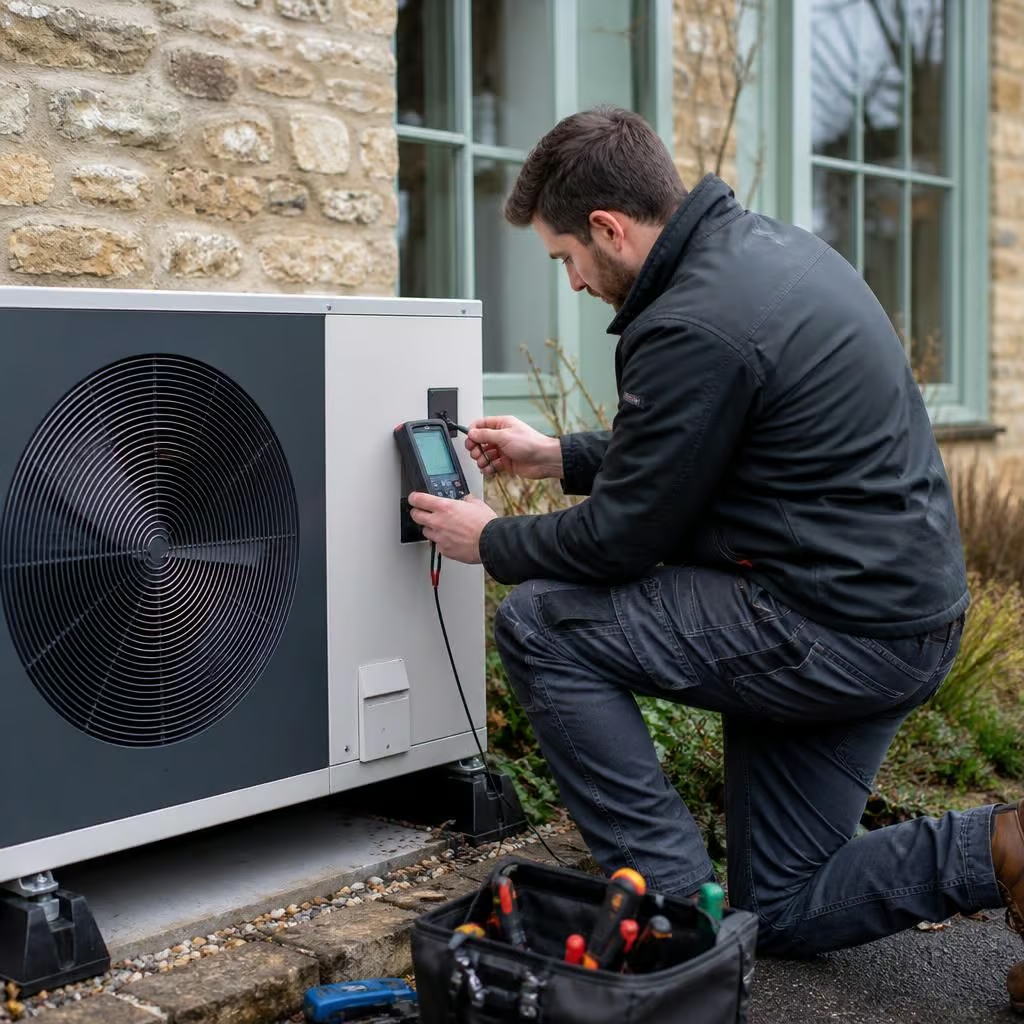
Why is my heat pump running but not warming the house?
A heat pump that runs without warming the house usually has a control, circulation or system fault, such as a low flow temperature or restricted water flow. Check the thermostat and system pressure if your manual allows it; if the radiators or underfloor heating stay cool, we can test the controls, pump, valves and heat pump circuit to find the fault.
In most cases, a heat pump that runs without warming the house has a problem with heat delivery rather than the compressor itself. The system may be producing heat, but that heat is not reaching the rooms at the right temperature or volume. A control setting, valve, pump, filter, sensor, refrigerant circuit or emitter can all cause this.
A heat pump normally warms a property more gradually than a boiler. It often runs for longer periods at a lower flow temperature. That is normal when the house is maintaining its temperature. It is not normal if room temperatures keep falling, the heating circuit stays cool, or the outdoor unit remains heavily iced.
Check the operating pattern first
- If the house is slowly getting warmer, the heat pump may be working as designed. Turning the thermostat up sharply can make the system appear ineffective because it cannot raise the room temperature like a boiler.
- If only the hot water is warm, the system may be giving priority to the cylinder. The heating should return once the hot-water cycle finishes, unless a valve or control fault keeps it in that mode.
- If the indoor unit runs but the radiators or underfloor heating remain cool, the fault is more likely to be in circulation, valve operation or the heating circuit.
- If the outdoor unit starts and stops repeatedly, the controls may be receiving an incorrect temperature signal, or the system may be reaching a pressure or flow protection limit.
Do not repeatedly switch the system off at the isolator or reset it if a fault code returns. A reset can clear a symptom without correcting the cause. Note the code, the time it appears and what the system was doing. That information helps us trace the fault.
Why the house can stay cold
Heat pumps depend on steady water movement. A partially closed valve, sticking zone valve, blocked strainer or dirty system filter can reduce the flow. The heat pump then protects itself or produces heat that does not circulate properly. We measure temperatures on both sides of the heating circuit and check the flow rate, pump operation and valves.
Air in the system can also interrupt circulation, particularly after plumbing work or a loss of system pressure. A leak, failed expansion vessel or pressure issue can create the same pattern. We check the pressure and inspect joints, valves and accessible pipework before deciding whether the system needs re-pressurising or a component repair.
Controls can create a less obvious fault. The room sensor may be reading a warmer area than the rest of the house, while weather compensation may be reducing the flow temperature because the outdoor sensor is reporting the wrong conditions. A schedule, holiday setting or zone control can also prevent heating in part of the property. We compare the controller settings with the temperatures the system is actually seeing, then test the sensors and control signals.
The emitters may not suit the heat pump
A heat pump delivers lower-temperature heat than many boiler systems. Existing radiators may need to be larger, or several rooms may need more emitter capacity. This is especially relevant in older houses with solid walls, high ceilings, draughts or limited insulation. The system can run correctly but still struggle to replace the heat leaving the building.
We compare the room heat loss with the installed radiators or underfloor circuits. That shows whether the problem sits with the heat pump or with the way heat enters the rooms. It may be possible to correct the issue by balancing the system, changing a valve or improving controls. In other cases, one or more radiators need upgrading rather than the whole heat pump being replaced.
Underfloor heating brings different checks. A manifold actuator may have failed, a zone may not be opening, or a floor circuit may have poor flow. The floor will not necessarily feel hot to the touch even when it is heating the room, so we use flow temperatures and room readings rather than touch alone.
Outdoor-unit and refrigerant faults
A light layer of frost on an air source heat pump can be normal. The unit should periodically enter a defrost cycle and clear it. Persistent ice, ice around the fan, unusual noise or a unit that never completes defrosting needs investigation. Poor airflow around the unit, a blocked coil, a faulty sensor or a refrigeration fault can all be involved.
Low refrigerant is not something to correct by simply adding gas. A leak must be found and repaired, and the circuit must then be tested and charged correctly. We inspect the refrigeration system and electrical components using the manufacturer’s fault information and measured readings. Do not remove covers or work on the refrigerant circuit yourself.
What we do during a repair visit
- We record the fault code, operating temperatures and the conditions under which the problem occurs.
- We check the heating and hot-water controls, sensors, valves and zone operation.
- We test circulation, pressure, filters, strainers and the temperature difference across the heating circuit.
- We inspect the outdoor unit, airflow, fan operation and defrost behaviour.
- We test electrical connections and protective devices where the readings point to an electrical fault.
- We explain whether the fault needs a replacement part, a system adjustment, emitter work or further investigation.
The repair does not automatically mean replacing the heat pump. A failed sensor, valve, pump, controller or electrical component can usually be assessed as an individual fault. Replacement becomes more likely when the compressor or refrigerant circuit has suffered major damage, parts are no longer available, or the system cannot meet the heating demand even after the distribution problems are corrected.
Older and off-gas-grid properties need a careful diagnosis because the heat loss, pipework and radiator sizes may differ greatly from a modern house. We look at the complete heating system rather than treating the outdoor unit in isolation. Once we know where the heat is being lost, we can set out the repair and any necessary improvement work in a written quotation before work starts.
Turn the system off and seek advice promptly if you smell burning, see water near electrical equipment, hear severe mechanical noise, or find a refrigerant warning or repeated protective shutdown. For a system that runs but leaves the house cold, record the controller display and room temperatures, then contact us for testing rather than continuing to reset it.
The outdoor unit can sound as though it is heating when only the fan or circulation pump is running. The system may also pause space heating during a hot-water cycle or defrost operation. Those periods should end without leaving the house cold for hours.
Look at the controller rather than judging the system by sound alone. A heating symbol, flow temperature and any fault code show more than the noise from the unit. If the display says heating is active but the flow temperature never rises, the controls, sensor or heat-producing circuit needs testing. We use those readings to separate a normal operating cycle from a fault that is stopping heat reaching the rooms.