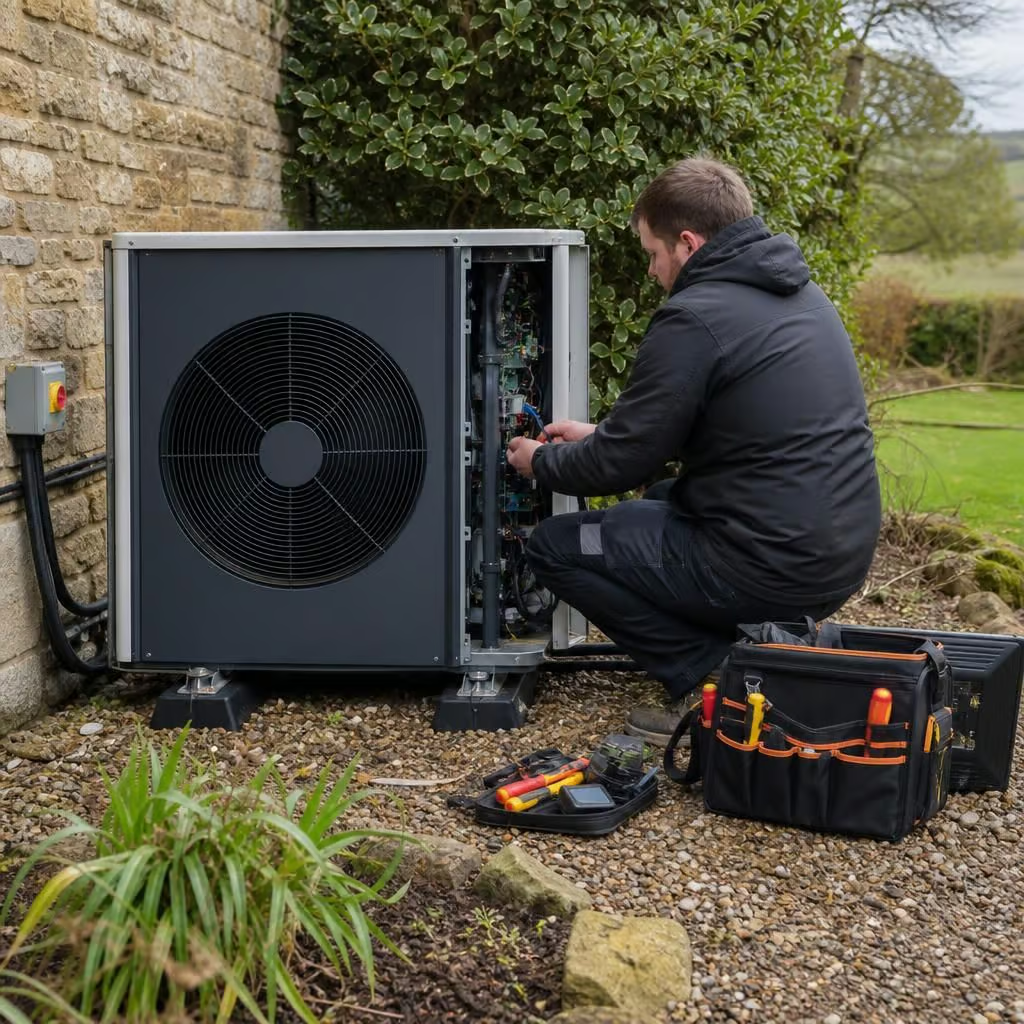
Will heat pump repairs disrupt my home?
Most heat pump repairs cause limited disruption because we diagnose the fault first and replace only the failed component where possible. If access or a larger repair is needed, we explain the work beforehand, protect the working area and leave your home tidy.
Most heat pump repairs are carried out with limited interruption to daily life. The main inconvenience is usually access to the equipment and a short period while we isolate, test and recommission the system.
Before starting, we’ll talk through the fault and identify which parts of the system need attention. That may include the outdoor unit, indoor cylinder, circulation pump, controls, sensors or the electrical supply. You’ll know what we need to access and why before work begins.
What happens during a repair?
- We inspect the system and confirm the fault rather than replacing parts without testing.
- We isolate the relevant electrical and heating components before removing covers or connections.
- We protect floors and nearby surfaces while carrying out the work.
- We replace or repair the failed component where practical.
- We test heating, hot water, controls and safety functions before handing the system back.
Your heating or hot water may need to be switched off while we work. If the fault affects only one part of the system, the rest may remain available, but we’ll explain the position before isolating anything. The system must not be run if a fault creates an electrical, water or refrigerant safety concern.
Will we need to enter the house?
That depends on the fault. A problem with the outdoor unit may require access outside only, while a cylinder, controller, pump or wiring fault usually needs access inside. We’ll ask you to clear only the areas needed around the equipment, controls and any relevant inspection points.
Older properties can have restricted access, concealed pipework or controls added at different times. These details can affect how we reach a component. We’ll check the practical route before work starts and discuss any extra access work rather than making assumptions.
When does repair work become more disruptive?
Disruption is more likely when a failed component sits behind a fixed panel, when pipework has been concealed, or when a leak has affected surrounding materials. A replacement cylinder, major pipework alteration or electrical upgrade may also need more preparation than a control or sensor repair.
In those cases, we’ll explain what needs to move or be opened, how the system will be isolated, and what will be reinstated afterwards. If the repair is likely to become a larger project, we’ll provide a written quotation before proceeding. That gives you a clear choice between the repair and any wider work the system now needs.
How long will my home be affected?
The time varies with the fault, access, parts and the condition of the existing installation. A straightforward component or control repair usually involves less disruption than work involving pipework, electrical supplies or a cylinder. We’ll give you a realistic explanation once we’ve diagnosed the problem, rather than guessing before seeing the system.
If a part is not available during the visit, we’ll tell you what remains operational, what cannot be used safely, and what needs to happen next. We won’t leave an isolated component in service or reset a fault without checking why it occurred.
What happens afterwards?
We run the heat pump through its relevant heating and hot-water functions, check for leaks or abnormal operation, and confirm that the controls respond correctly. We’ll also explain any settings that have changed and point out signs that would need further investigation.
When the work is complete, we remove packaging and waste from the working area and leave the accessible parts of the installation in a usable condition. If the repair shows that the system is nearing the end of its serviceable life, we’ll say so clearly and explain the alternatives without treating replacement as the only answer.
The best way to reduce disruption is to describe the symptoms accurately before the visit, including unusual noises, error codes, leaks, loss of heating or hot water, and any recent electrical work. That helps us bring the right diagnostic equipment and focus the inspection on the part of the system most likely to be involved.
The outdoor unit may need a clear working space, especially if it sits beside planting, fencing or a narrow path. Moving only nearby items gives us safe access without disturbing more of the garden than necessary. If access cannot be gained without removing a panel, gate or section of decking, we’ll explain that before any work starts.