
What happens if a landlord gas check finds a problem?
If a gas appliance or flue is unsafe, we explain the risk, isolate it where necessary and set out the repair needed before it is used again. We then record the defect and any remedial work clearly, so the landlord knows what has been made safe and what still needs attention.
A problem found during a landlord gas check does not always mean the whole heating system must be replaced. The engineer classifies the defect, explains what it means, and sets out the work needed before the appliance can be used safely.
The paperwork will normally show one of these outcomes:
- No safety defect: the relevant appliance, flue, pipework and ventilation meet the required safety checks.
- Not to current standard: the installation may be safe to use, but an improvement is recommended because it does not meet a newer standard. The engineer should explain whether this needs action now or should be planned.
- At risk: a fault could make the appliance unsafe if it continues to be used. The engineer explains the danger and the steps needed before use continues.
- Immediately dangerous: the appliance or installation presents an immediate risk. It must not be used until the danger has been dealt with.
An unsafe finding is not automatically a failed boiler. The cause might be poor ventilation, a damaged flue, an incorrect connection, combustion problems, a gas escape or a carbon monoxide risk. Some faults can be repaired and tested. Others may make replacement more sensible, particularly where an older appliance needs repeated work or suitable parts are no longer available.
For a defect marked at risk or immediately dangerous, the tenant should stop using the affected appliance. We explain which appliance is involved and what the restriction means, rather than leaving the tenant to interpret a code on the form. If the gas supply or an appliance needs to be isolated, we discuss that with the person responsible for the property and record what has been done.
The landlord then needs to arrange the recommended repair or replacement. A landlord should not put the appliance back into service simply because it still appears to operate. A gas appliance can run while producing unsafe combustion or discharging products through a defective flue, so the engineer must complete the relevant safety tests after the work.
Sometimes the repair affects more than the boiler itself. A flue may need work, ventilation may need correcting, or pipework and controls may need alteration. On an older property, the original installation may not provide the clearances or airflow that a replacement appliance requires. We explain these practical points before quoting, so the landlord can compare a repair with a properly scoped replacement.
Once the work is approved, a Gas Safe registered engineer carries out gas-related repairs and commissioning. The completed system is checked again, including combustion, flue operation, ventilation and any appliance affected by the repair. If the work changes the installation, the engineer records the relevant details for the landlord’s property records.
The landlord should keep the gas safety paperwork with the repair records and give the tenant the information they need about any restriction or change. If the property cannot safely provide its normal heating or hot water, the landlord also needs to deal with the effect on the tenancy while the work is arranged. We can set out what remains usable and what must stay switched off.
A defect found during the check does not become a clean certificate without further action. The original findings remain part of the inspection history. After remedial work, we complete the checks needed to confirm that the appliance is safe, then provide the updated gas safety documentation required for the property.
Where a repair is needed, we provide a written quotation before work starts. It separates the immediate safety work from optional improvements, so the landlord can see what is necessary and what can be planned later. If replacement is the better route, the quotation explains the proposed appliance, associated alterations and testing rather than treating the boiler alone as the whole job.
For a landlord, the useful next step is to ask for three things in writing: the defect classification, the appliance or part affected, and the exact condition required before it can be used again. That gives the landlord a clear repair decision and gives the tenant practical instructions while the work is pending.
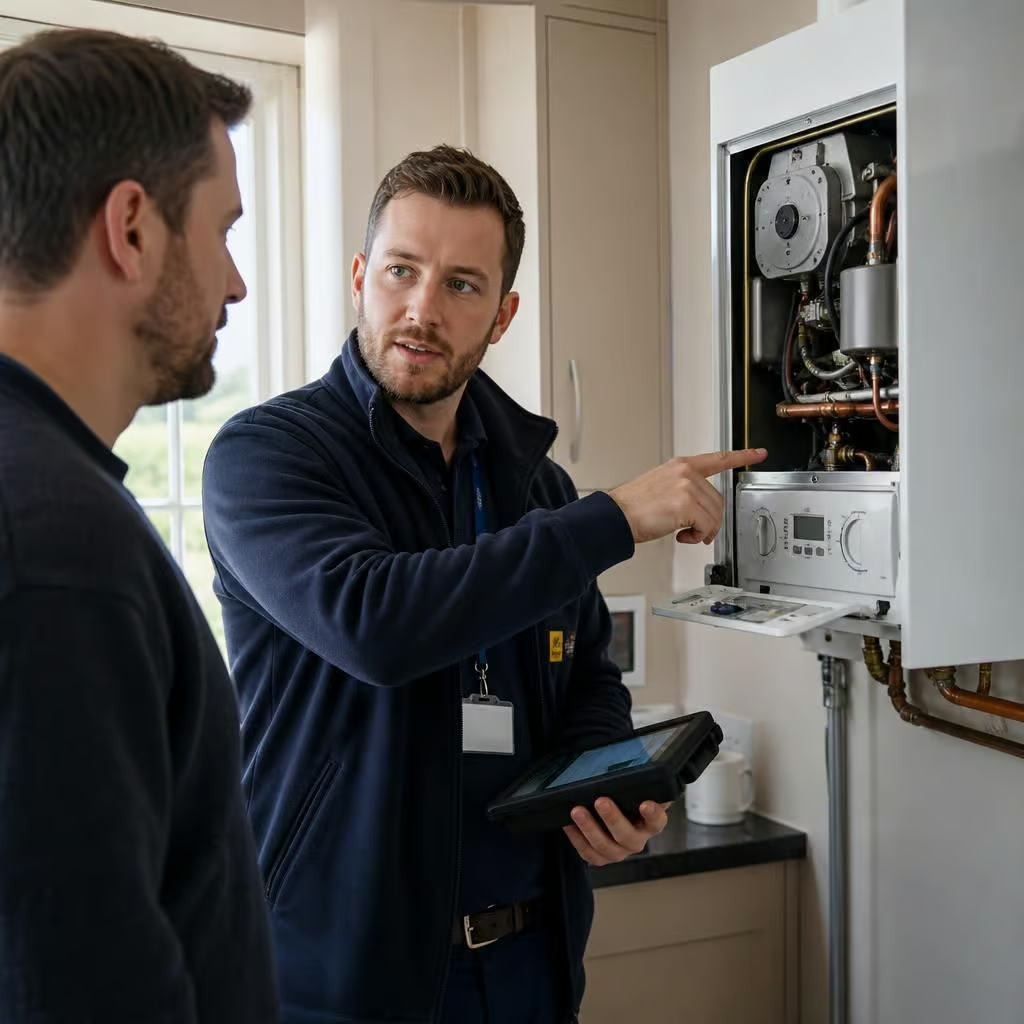
If an appliance has been isolated, the tenant needs clear instructions rather than a warning code alone. We explain which boiler, fire or cooker is affected, whether heating or hot water remains available, and what must stay switched off.
That information helps prevent someone reconnecting the appliance or assuming that a reset has made it safe. We can also set out what access is needed for the follow-up work, so the landlord and tenant know what happens next.