
When should landlords arrange an annual gas safety check?
Landlords must arrange a gas safety check every 12 months, with the inspection completed before the existing certificate expires. If a property is being let for the first time, the check must be completed before the tenant moves in, and the safety record must be provided to the tenant.
The most practical time to arrange the check is within the two months before the existing due date. This gives you time to coordinate access, deal with any failed appliance and keep the tenancy paperwork in order. An early check in this window does not move the annual deadline forward.
Leaving it until the final few days creates avoidable problems. The tenant may be away, the engineer may find a safety issue, or a replacement part may be needed before the property can be occupied. A reminder in your property management calendar several weeks ahead gives you time to resolve these issues properly.
The annual check follows the gas appliances and flues provided by the landlord. It does not automatically follow a change of tenant. If the property changes hands, check the certificate dates and arrange a new inspection if the existing record will not cover the new tenancy. Appliances owned and supplied by the tenant are not part of the landlord’s gas safety duty, although any connected installation still needs to be safe.
A gas safety check is also different from a boiler service. The safety check confirms that relevant gas appliances and flues can operate safely. A service is a broader maintenance visit intended to assess the boiler’s condition and performance. A landlord may arrange both at the same visit, but a service alone must still produce the required gas safety record if it is being used for that purpose.
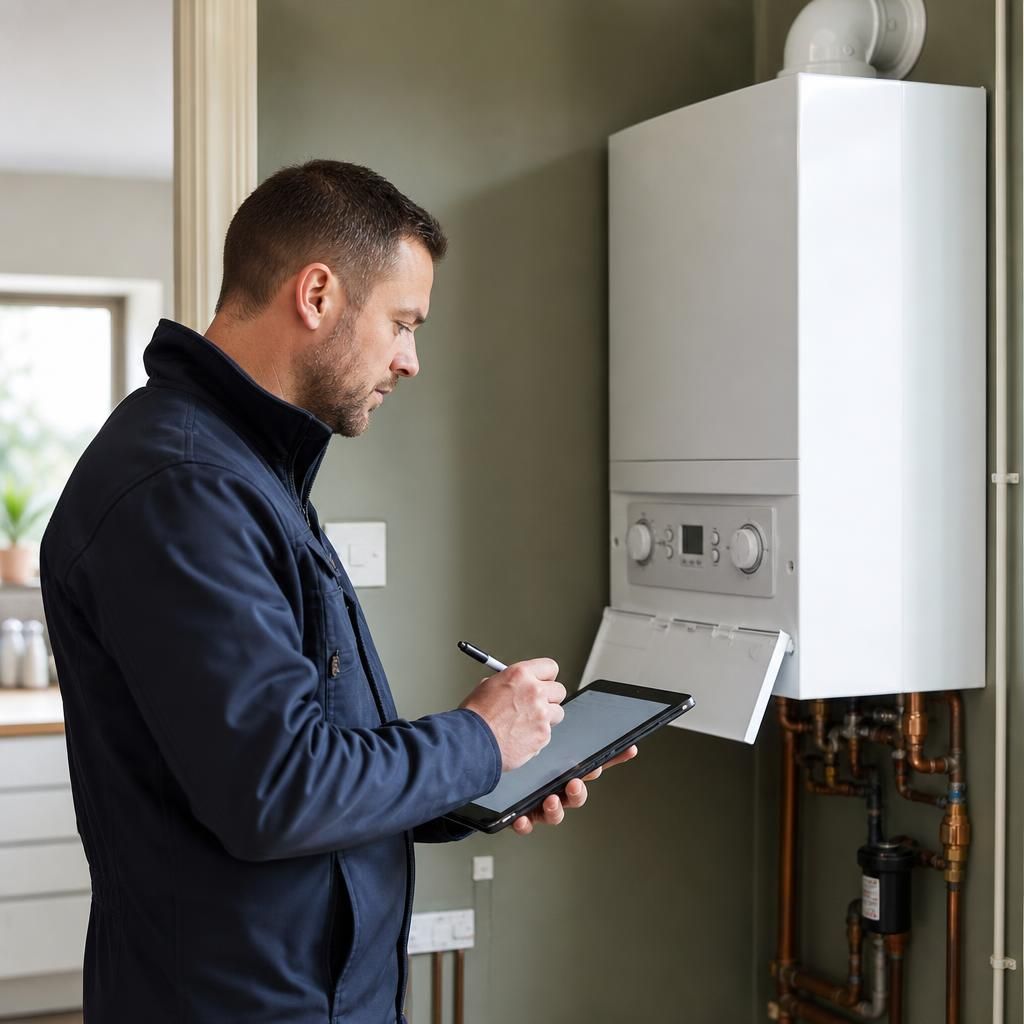
Before the appointment, give the tenant reasonable notice and agree access to every room containing a landlord-provided gas appliance or flue. This may include the boiler, gas fire, cooker or water heater. Clear the area around the boiler and make sure the engineer can reach the appliance, controls and visible flue route.
If a tenant will not provide access, keep a record of contact attempts and proposed appointments. Do not enter by force. Continue taking reasonable steps to arrange the inspection, and keep evidence of those steps in the tenancy file.
We use a Gas Safe registered engineer to inspect the relevant appliances, ventilation and flues, then record the results and any remedial work needed. If the engineer identifies an unsafe appliance, we explain the risk and what must happen before it can be used again. That may mean a repair, further investigation or replacement rather than simply issuing a clear record.
After the visit, keep the gas safety record with the property documents and give the tenant their copy within the required period. If remedial work is recommended, retain the related invoices, reports and follow-up record as well. A complete file helps when a tenant changes, a property is inspected or a letting agent requests compliance evidence.
For a portfolio, separate reminders for each property are more reliable than one annual diary date. Record the certificate date, the appliances covered, access arrangements and any outstanding work. Alderminster Group can arrange the inspection and provide the completed paperwork for your records.
A new boiler, fire or gas water heater changes the timing. The appliance must be checked before the tenant uses it, even if the property’s existing gas safety record has not expired.
Ask the installer to record the new appliance and flue on an updated gas safety record. We can check the installation and make sure the paperwork reflects what is now fitted, so the property file does not rely on an outdated appliance list.