
What changes the cost of a landlord gas safety certificate?
The cost of a landlord gas safety certificate can change with the number of gas appliances, the property’s size and layout, and whether the engineer finds a safety issue that needs attention. A straightforward inspection of accessible appliances is usually simpler than a visit involving difficult access, extra travel within the property or follow-up work.
The main cost differences come from the complexity of the gas installation, the checks needed around it and what has to be available on the day. A basic inspection of clearly identified appliances is usually more straightforward than one involving concealed flues, shared systems or missing information.
- Flue and chimney arrangements: A boiler or gas fire may discharge through a visible flue, a roof space, a chimney or a shared system. We may need extra checks where the route is concealed or several appliances use the same chimney. That takes longer than checking a simple, accessible flue.
- Type of gas supply: Natural gas and LPG installations can involve different appliances, regulators, storage arrangements and safety checks. Tell us if the property uses LPG when requesting a quotation, so we can allow for the installation you actually have.
- Shared or communal equipment: Flats, houses in multiple occupation and buildings with communal boilers can require more coordination than a single dwelling with its own appliances. We need to establish which appliances and flues serve each property and what record the landlord needs.
- Condition of the installation: A certificate records the result of safety checks. It does not turn an old appliance, damaged flue or poor installation into a compliant one. If the checks identify a defect, we explain the finding and price any necessary remedial work separately.
- Information available before the visit: Missing appliance details, unclear flue routes or no previous gas safety record can mean more time spent identifying the installation. Keeping appliance manuals, earlier records and details of recent alterations available helps us inspect the right equipment efficiently.
- Access arrangements: The engineer must be able to enter the property and operate the gas appliances safely. Tenanted properties can cost more to manage if keys are unavailable, rooms are locked or an appliance cannot be reached on the agreed visit. A further attendance may then be needed.
- Additional landlord requirements: A landlord or agent may need copies for several parties, records for a managed property or confirmation about a particular appliance. Those administration requirements should be agreed before the inspection, rather than assumed to be part of every certificate.
A gas safety certificate is different from a boiler service. During the inspection, we carry out the checks required for the gas appliances, associated pipework, ventilation and flues within the agreed scope. A boiler service examines the boiler’s operation and condition in greater depth, so combining both visits can change the total price.
The person carrying out the inspection must be Gas Safe registered for the relevant work. That matters because the certificate is a legal safety record, not simply a note that someone has looked at the boiler. We issue the completed record with the appliances checked, the results and any safety issues that need attention.
Before work starts, we can confirm what the quotation covers: the property or dwelling included, the appliances and flues to be checked, the certificate supplied and any items that would sit outside the inspection. If the installation is unusual, send photographs or the previous record first. That gives us a better basis for pricing than a generic certificate price.
For landlords and agents, the useful comparison is not just the headline charge. Check that the quote covers the correct gas installation, identifies any extra attendance or administration costs and makes clear that repairs are separate. You then know what the certificate price represents before arranging access for the tenant.
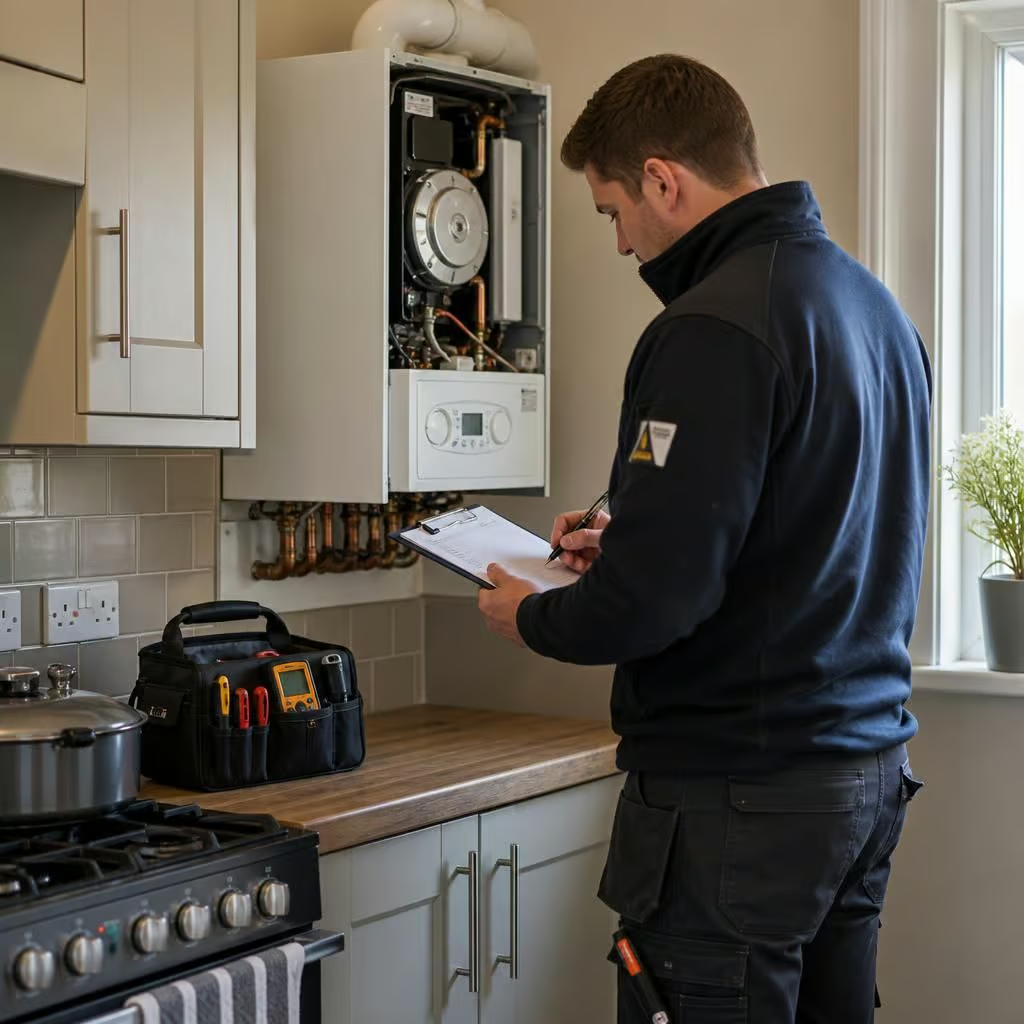
An electric cooker, immersion heater or electric fire does not add to the cost of a landlord gas safety certificate. We only include gas appliances and the related gas installation within the agreed inspection.
If a property has both gas and electric appliances, tell us which equipment runs on gas when requesting a quotation. We can then list the appliances covered, so you know what the certificate price includes and which items need a separate inspection.