What does a landlord gas safety certificate check?
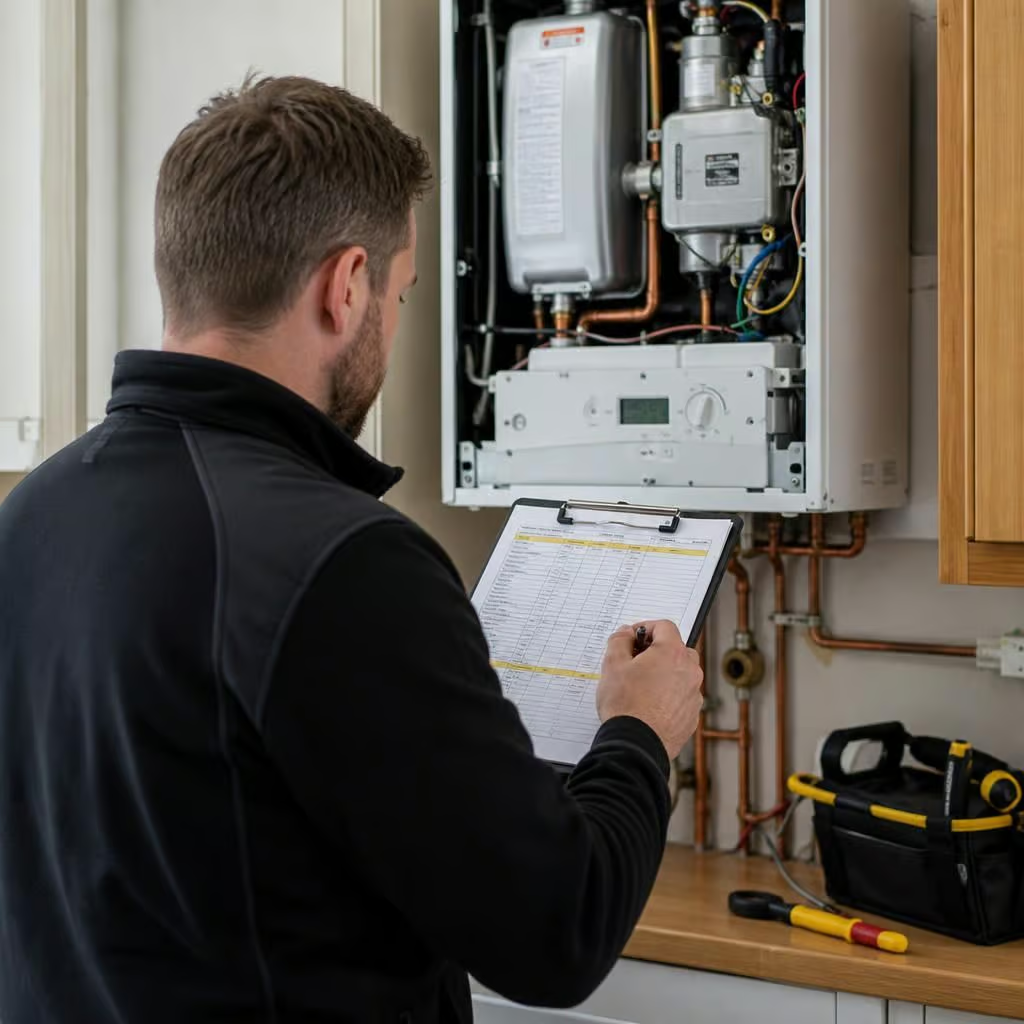
A landlord gas safety certificate check examines each gas appliance and flue for safe operation, adequate ventilation, gas tightness and working safety controls. We record the results, identify any faults and provide the completed certificate for the landlord and tenant records.
A landlord gas safety certificate check is a structured examination of the gas installation and appliances covered by the landlord’s responsibility. A Gas Safe registered engineer carries out the checks, identifies anything that could make the installation unsafe and completes the Gas Safety Record for the property.
The check normally covers each gas appliance and relevant flue that the landlord provides. This may include:
- a gas boiler
- a gas fire
- a gas water heater
- a gas cooker supplied with the property
- any other fixed gas appliance provided for the tenant’s use
Tenant-owned appliances are usually outside the landlord’s responsibility. However, the engineer may still need to consider a shared or connected flue, because a fault in that flue could affect the safety of other appliances.
Gas tightness and pipework: We check the gas installation for signs of leakage and examine accessible pipework, connections and isolation points. We also look for damage, poor supports, corrosion or other conditions that could affect safe operation.
Appliance operation: We run each appliance as part of the inspection. The engineer checks that it lights, operates and shuts down correctly, then examines the working condition of components that affect combustion and safety. Where the appliance design requires it, we take readings to assess whether it is operating within the manufacturer’s limits.
Flue safety: The flue must remove combustion products from the building safely. We inspect accessible sections, the terminal position and the route where it can be assessed. We also check for signs that combustion products could spill into the room. Concealed flues may need extra consideration if their route cannot be confirmed or inspected safely.
Ventilation and the room: Some appliances need permanent ventilation to operate safely. We check that required vents are present, suitable and not blocked. We also consider changes to the room, such as new windows, extensions or extractor fans, which may affect how the appliance receives air or discharges combustion products.
Safety controls and alarms: We check the appliance’s relevant safety controls and consider the carbon monoxide alarm arrangements where they apply. A carbon monoxide alarm does not replace a gas safety check, and an alarm alone cannot make an unsafe appliance safe.
The engineer records the property address, the appliances checked, the location and type of each appliance, the results of the checks and any safety issues found. The record also identifies the engineer and their Gas Safe registration details. If remedial work is needed, the record should make clear what requires attention rather than treating the inspection as a boiler service.
A gas safety check is not the same as a full service. A service may involve cleaning, adjustment and more detailed maintenance intended to keep a particular appliance working efficiently. The certificate confirms the safety checks completed on the date of inspection; it does not confirm that every part will remain fault-free for the rest of the year.
The check must be completed at least every 12 months for a rented property with gas appliances and flues covered by the landlord’s duties. The landlord must retain the completed record and provide it to the tenant in line with the gas safety regulations. We can also explain any recommendations separately, so the landlord can distinguish an immediate safety issue from planned maintenance.
Gas Safe registration matters because gas work must be carried out by an engineer legally qualified for the relevant appliance and installation. Our Gas Safe registered heating engineers complete the inspection and explain the result in plain terms. If the property uses oil rather than gas, a landlord gas safety certificate is not the applicable document; the heating system needs the appropriate oil safety and maintenance arrangements instead.
Access can affect what the engineer is able to certify. Before the appointment, make sure the boiler, other fixed gas appliances and any inspection hatches are reachable. Clear stored items from boiler cupboards and tell the tenant not to obstruct the appliances.
If a flue or appliance cannot be inspected safely, we explain the limitation rather than treating the check as complete. The landlord can then arrange access, provide information about concealed sections or book the work needed to make the installation inspectable. This leaves a clear record of what was examined and what still needs attention.