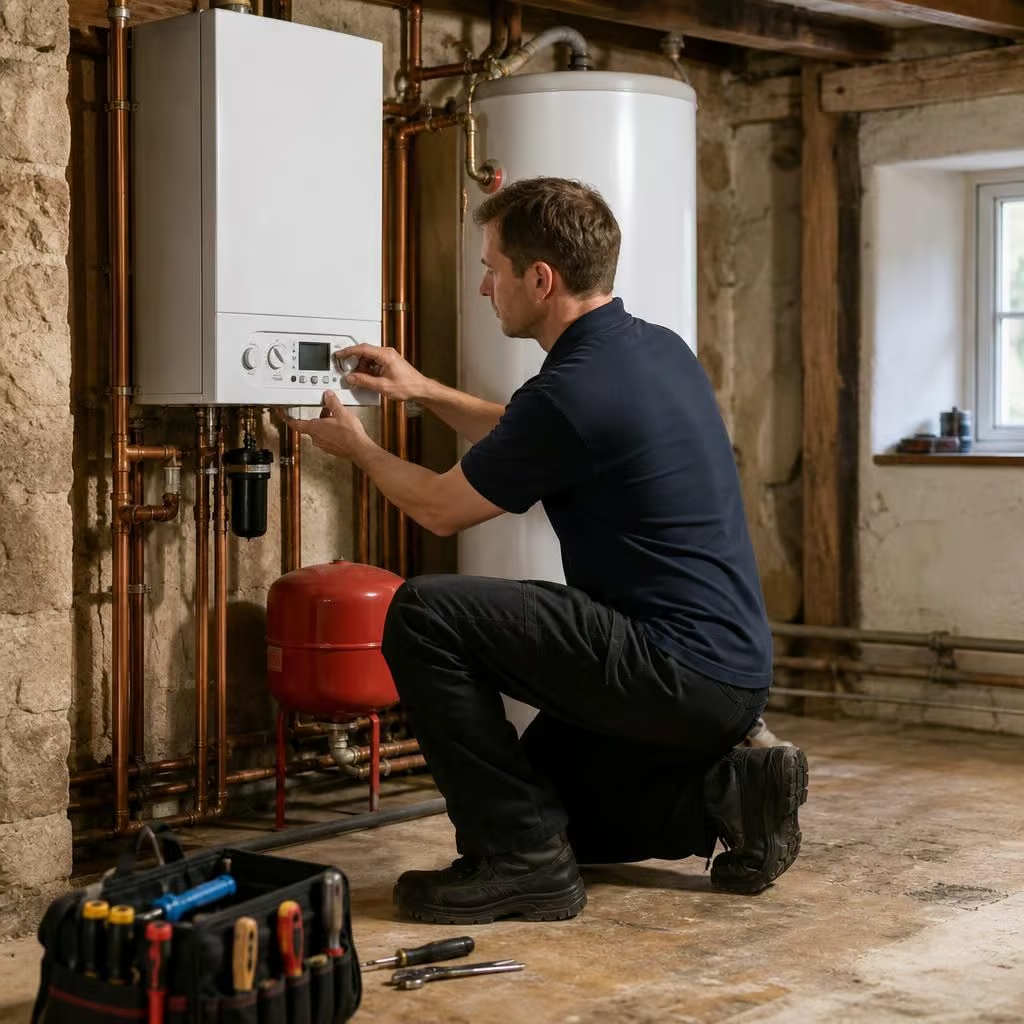
Can you replace a boiler in an older or off-gas-grid home?
Yes. We can replace a boiler in an older or off-gas-grid home, using the property’s existing fuel supply where suitable.
We assess the flue, heating system, controls and available space first, then explain any changes needed before recommending the right replacement.
An older home can usually have its boiler replaced without changing the whole heating system. The age, construction and off-gas-grid status affect which boiler and system arrangement will work best, but they do not automatically rule out a replacement.
For an oil-heated property, we look at the existing boiler, oil supply, tank, burner arrangement and flue route. The tank may be suitable to retain, but its condition and position still need checking. A boiler in an outbuilding also needs a practical route for heating pipes, electrical supplies and condensate drainage. Frost protection can matter where pipework runs through an unheated space.
For an LPG-heated property, the boiler needs to match the available LPG supply and the site’s storage and regulator arrangements. We check that the supply can support the replacement appliance and that the flue and ventilation arrangements are appropriate. A replacement does not require a connection to the mains gas network.
Older heating systems need a closer look than a simple appliance swap. Many have an open-vented arrangement with a feed-and-expansion tank, a hot water cylinder and older pumps. Others have already been converted to a sealed system. We establish how the system operates before deciding whether to retain it or change the arrangement.
A combi boiler can provide hot water without a cylinder, but it is not automatically the right choice for a larger house. Several bathrooms, simultaneous hot water use or limited mains pressure may make a cylinder-based system more practical. Keeping a hot water cylinder can also make sense where the existing system already meets the household’s needs. We base that decision on how the home is used, not simply on the boiler’s age.
Solid-wall houses, barn conversions and listed properties often have rooms with different heat requirements. An old boiler may be much larger than the house needs, so we consider the building’s heat loss and the size of each room before selecting the replacement. Existing radiators may be perfectly serviceable, but some may no longer provide enough output after the boiler is changed. We explain any recommended radiator work rather than assuming that every radiator must be replaced.
Older pipework can also affect the result. Small-bore pipe systems, restricted valves, sludge or corrosion may limit circulation through the new boiler. Cleaning, a filter, replacement valves or a local pipework alteration may be appropriate, but we identify the reason for each recommendation. The aim is to leave the new appliance working properly with the rest of the system, rather than fitting it onto an unresolved restriction.
In a period or listed building, the flue position and the appearance of external work may need particular care. A boiler in a cupboard, rear extension or detached utility room can create different routing issues from one in a modern kitchen. We consider the route, access for servicing and the way the installation will sit within the property before the work is agreed.
Gas work is carried out by Gas Safe registered engineers. For an oil-fired boiler, OFTEC registration covers the work on the oil heating system. That matters when the property is off the gas grid and the replacement needs to integrate safely with an existing oil installation.
The cost depends on what can be retained. A straightforward replacement may mainly involve the appliance, flue and commissioning. A more involved installation may include a new cylinder, pump, tank work, valves, pipework or electrical changes. We set these items out in a written quotation before work starts, so the price reflects the actual condition of the installation rather than an unrealistic standard replacement figure.
There will be a period without heating and hot water while the old appliance is removed and the new one is connected and commissioned. We protect working areas, keep disruption focused on the installation route and leave the property tidy. Engineers arrive when they say they will, and any additional work found during the installation is explained before it is undertaken.
If a boiler replacement is not the sensible long-term choice, we will explain why. That might be because the fuel system, cylinder arrangement, pipework or heat loss makes another approach more suitable. For some properties, that may lead to a wider heating upgrade rather than another like-for-like boiler. The decision remains yours, with the practical changes and likely costs set out before you commit.
An older home doesn’t always need every part of its heating system replaced. We separate work that is necessary for safe, reliable operation from improvements that may simply make the system easier to control.
If a quotation includes new radiators, controls, tank work or pipework, we explain what each item changes and why the existing part cannot be retained. That gives you a clear choice between the essential replacement and any wider upgrade, rather than bundling everything into one unexplained figure.