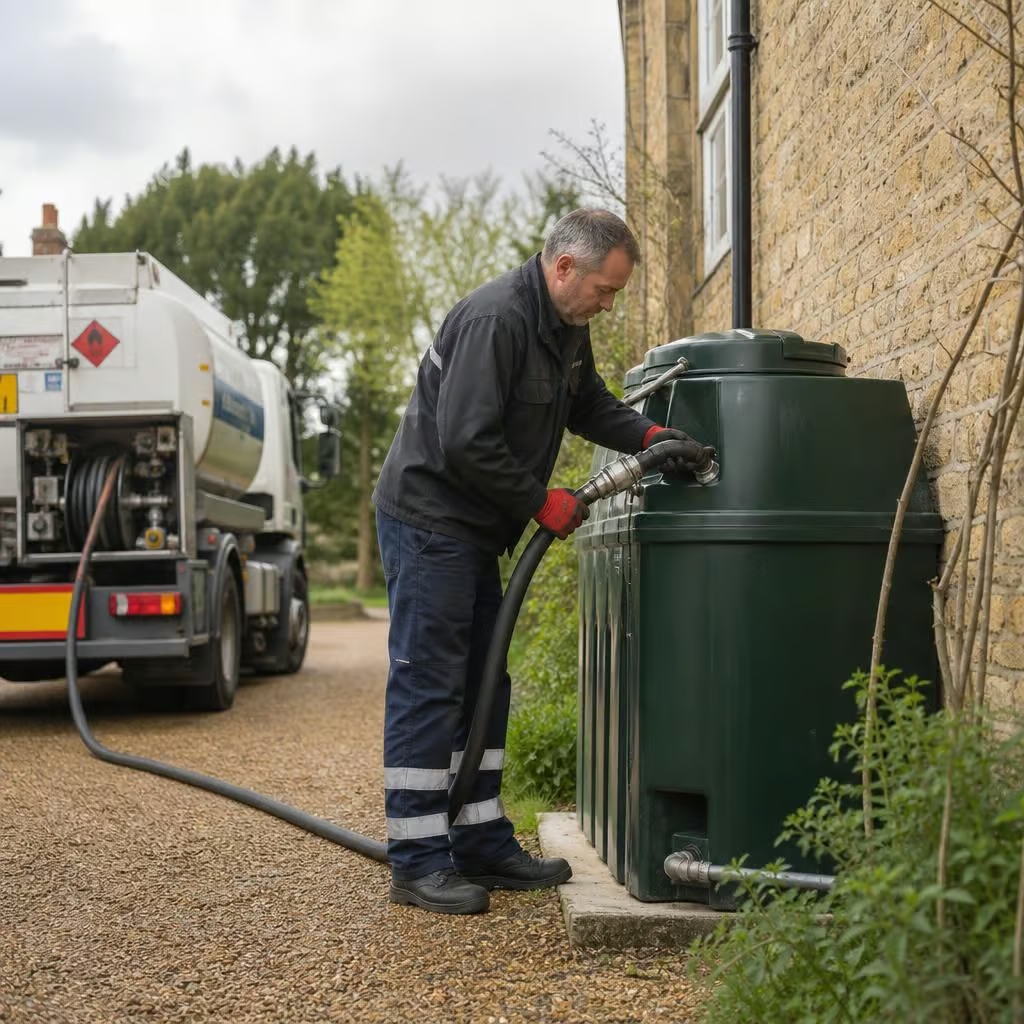
What affects the price of a heating oil delivery?
The price of a heating oil delivery depends mainly on the current oil rate, the quantity ordered, delivery distance and access, and how much demand there is when you order. A larger order may have a different price per litre, while difficult access or an urgent delivery can affect the total cost.
The final cost of a heating oil delivery comes from more than the advertised price per litre. The amount ordered, the fuel rate at the time, the delivery route, access to the tank and the supplier’s charging structure can all change the bill.
The fuel rate is usually the largest part of the cost. Heating oil prices move with crude oil markets, refining costs, distribution costs and wider demand. A quote can therefore change between checking an online price and placing an order. Ask how long the quoted rate remains valid and whether the price includes VAT and delivery.
Suppliers may also quote different rates for different order sizes. A larger order can sometimes attract a lower price per litre because the delivery vehicle makes one trip for more fuel. A small top-up may have a higher unit price or be subject to a minimum order. That does not make the larger order cheaper overall if the tank cannot safely accept it or the household cannot afford the extra outlay.
Your available tank capacity matters. We work from the tank size, the current level and the safe fill level when helping you choose an order. Ordering too much can lead to a failed delivery, while ordering too little may mean paying another delivery charge sooner. A tank that has been partly filled recently may also restrict the amount that can be added.
Delivery access can affect the charge and whether the delivery is practical. A long drive from the public road, a narrow lane, a steep approach, soft ground, locked gates or a tank positioned far from the tanker can all require additional planning. If the vehicle cannot reach the filling point safely, the supplier may need to use a longer hose, arrange a different vehicle or decline the delivery. Giving accurate access details before ordering helps avoid an unsuccessful visit and a possible extra charge.
Rural properties are not automatically more expensive, but distance from the depot and the number of deliveries in an area can influence the transport cost. The same advertised litre rate may therefore produce different totals for properties in different locations.
Timing can change both the rate and the choice of delivery options. Prices may be affected by seasonal demand, particularly when many households refill during cold weather. Planning before the tank is nearly empty gives you more time to compare quotes and select an order size that fits the tank. A smaller or more urgent order can cost more than a planned delivery, depending on the supplier’s terms.
Check the full breakdown rather than comparing the litre rate alone. A useful comparison includes:
- the price per litre;
- the number of litres included;
- whether VAT is included;
- any delivery, rural access or small-order charge;
- the minimum order;
- any payment or account charges; and
- how long the quote remains valid.
The fuel type must also be correct. Most domestic oil-heated homes use kerosene, but a property may have a different arrangement. We check the heating system and tank details before an order is placed, because an incorrect fuel specification can create additional cost and delay.
Your tank’s condition can affect the practical cost as well. A damaged tank, leaking connection or restricted filling point may need attention before fuel can be delivered safely. If the driver cannot complete the delivery because the installation is unsafe, you may still have to arrange a further visit after the problem is resolved.
When we help assess a quote, we look at the total delivered cost, not just the headline rate. We consider how much the tank can take, whether the access instructions are realistic and whether the order gives useful value without leaving the property overstocked. That gives you a clearer basis for comparing prices and planning the next delivery.
Keep the quote, delivery note and tank records together. They show the fuel type, quantity and amount paid, which makes later comparisons more reliable. If the quoted total differs from the invoice, check the delivered litres, the agreed rate and any separately listed charge before making another order.
A quoted heating oil price may be fixed at order, fixed at delivery, or valid only for a stated period. Check which applies before you commit, particularly if the delivery is being arranged several days ahead. Ask whether the supplier can change the quantity if the tank level or safe fill limit is different on the day.
Keep the accepted quote with the delivery paperwork. If the final charge changes, you can compare the agreed terms with the litres delivered and identify whether the difference came from the fuel rate, quantity or an additional delivery charge.