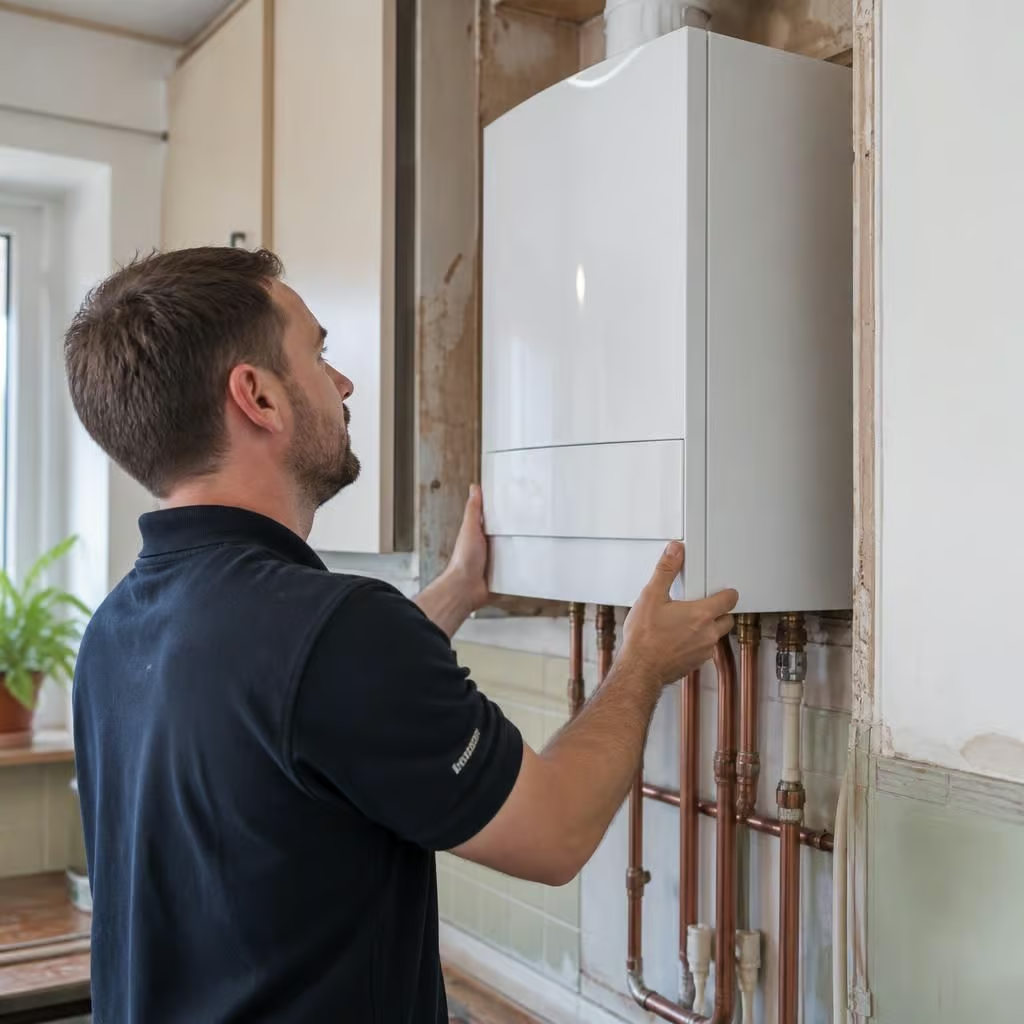
How much disruption should I expect during a new boiler installation?
A straightforward boiler replacement causes limited disruption, but moving the boiler or altering radiators and pipework makes the work more involved. Your heating and hot water will be off while we disconnect the old system, protect working areas and test the new installation before we leave.
A straightforward boiler replacement should cause limited disruption, but the installation programme depends on the condition of the heating system and the work needed around the boiler. We explain the sequence before work begins, including when the heating and hot water will be unavailable.
Most of the activity takes place in the boiler area. You may hear drilling, cutting and testing while we remove the old appliance, connect the replacement and check the flue, pipework, controls and safety systems. There may also be a short interruption to water, gas, oil or electricity supplies while connections are made safely.
Once commissioning is complete, we show you how to use the controls and leave the work area tidy. We remove the old boiler and installation waste rather than leaving it for you to arrange.
What happens during a typical installation
- We protect floors and nearby surfaces before bringing equipment into the property.
- The old boiler is isolated, drained and removed. Some water may remain in the system, so we take care around cupboards, flooring and stored belongings.
- We fit the new boiler and connect it to the heating, hot water, fuel, electrical and condensate systems.
- We test the flue, controls, pressure and safety devices before putting the appliance into service.
- We explain the controls, answer questions about operation and provide the installation paperwork.
The work takes longer when the new boiler cannot use the existing connections. Examples include moving the appliance, replacing unsuitable pipework, changing the flue route or adding a condensate drain. A relocation can involve opening cupboards, lifting sections of flooring or making good around the old position.
The boiler position makes a noticeable difference
Keeping the replacement near the existing position usually limits the work to that area. Moving it to a loft, utility room or different wall can affect the flue, gas or oil pipe, heating flow and return pipes, condensate route and electrical supply. We identify those requirements before installation so the quotation reflects the actual work.
Older properties can need more care. Solid walls, thick floors, concealed pipework and restricted access can make routing and making good slower. Listed buildings and barn conversions may also limit where we can drill or run new services. We plan around those constraints rather than assuming a modern house layout.
Heating and hot water will be interrupted
Your heating and hot water need to remain off while the boiler is disconnected and tested. The length of that interruption depends on the installation. If radiators, valves, controls or sections of pipework also need changing, the system may be drained for longer.
We tell you which rooms need to remain accessible and when the system should be ready for use. It helps to keep the boiler, airing cupboard, radiators and relevant pipe routes clear before we start. Please also remove valuables and fragile items from the immediate work area.
Dust, noise and access
Removing brackets and installing flue or pipework creates some noise and dust. The amount depends on the wall construction and the route of the services. Drilling through masonry is generally more intrusive than reusing existing routes.
We use floor protection and keep equipment together in the working area. At the end, we remove waste and clean the surfaces affected by the installation. Minor decorating may still be needed where the new boiler is smaller than the old one or where a pipe route has changed. We identify visible making-good requirements before work starts.
Oil and LPG replacements
Replacing an oil or LPG boiler can involve different access and safety requirements from a gas installation. The engineer may need to check the tank, fuel line, isolation points, flue and appliance location. On an off-gas-grid property, those checks help prevent a replacement boiler being fitted onto unsuitable fuel infrastructure.
Our OFTEC-registered engineers work on oil-fired systems, while gas boiler work is carried out by Gas Safe-registered engineers. That means the relevant fuel installation is checked and commissioned by someone legally qualified to work on it.
Electrical work may be part of the installation
A replacement boiler may need updated electrical connections, controls or isolation arrangements. If the existing consumer unit, wiring or bonding needs attention, we explain why before carrying out additional work. Our NICEIC-registered electricians can handle related electrical changes without requiring you to coordinate a separate contractor.
How long should you allow?
There is no reliable single duration for every boiler installation. A same-position replacement with suitable existing connections follows a shorter programme than a relocation or system upgrade. Radiator changes, new controls, pipework alterations, flue work and repairs to the surrounding system all add tasks.
We set out the expected programme after inspecting the property. The written quotation shows what is included, so extra work is discussed rather than appearing as an unexpected charge. If the survey finds a problem that could extend the installation, we explain it before the old boiler is removed.
After commissioning, we check that the heating and hot water operate correctly and explain any controls you need to use. You should be left with a working system, clear instructions and the paperwork relating to the installation.
If the new boiler is smaller or sits differently, the old outline, fixing holes or pipe marks may remain visible. We point out those changes during the survey, so you know which surfaces may need decorating before the installation goes ahead. That keeps the heating work separate from any cosmetic work you may choose to arrange afterwards.