
How disruptive is a boiler replacement?
A boiler replacement is usually contained to the boiler area, with heating and hot water unavailable while we remove the old system and connect the new one. The disruption depends on the boiler position and any required changes to flueing, pipework or controls, which we explain before work starts.
For many boiler replacements, the main interruption is temporary loss of heating and hot water while we isolate, remove and reconnect the system. The extent of the work depends on the boiler type, its location and whether the new boiler stays in the same position.
Before work starts, we explain the installation sequence and identify anything that could affect the room. That includes the flue route, condensate pipe, gas or oil supply, electrical connection and access to the boiler. If the existing pipework needs alteration, we include that in the quotation rather than treating it as an unexpected extra.
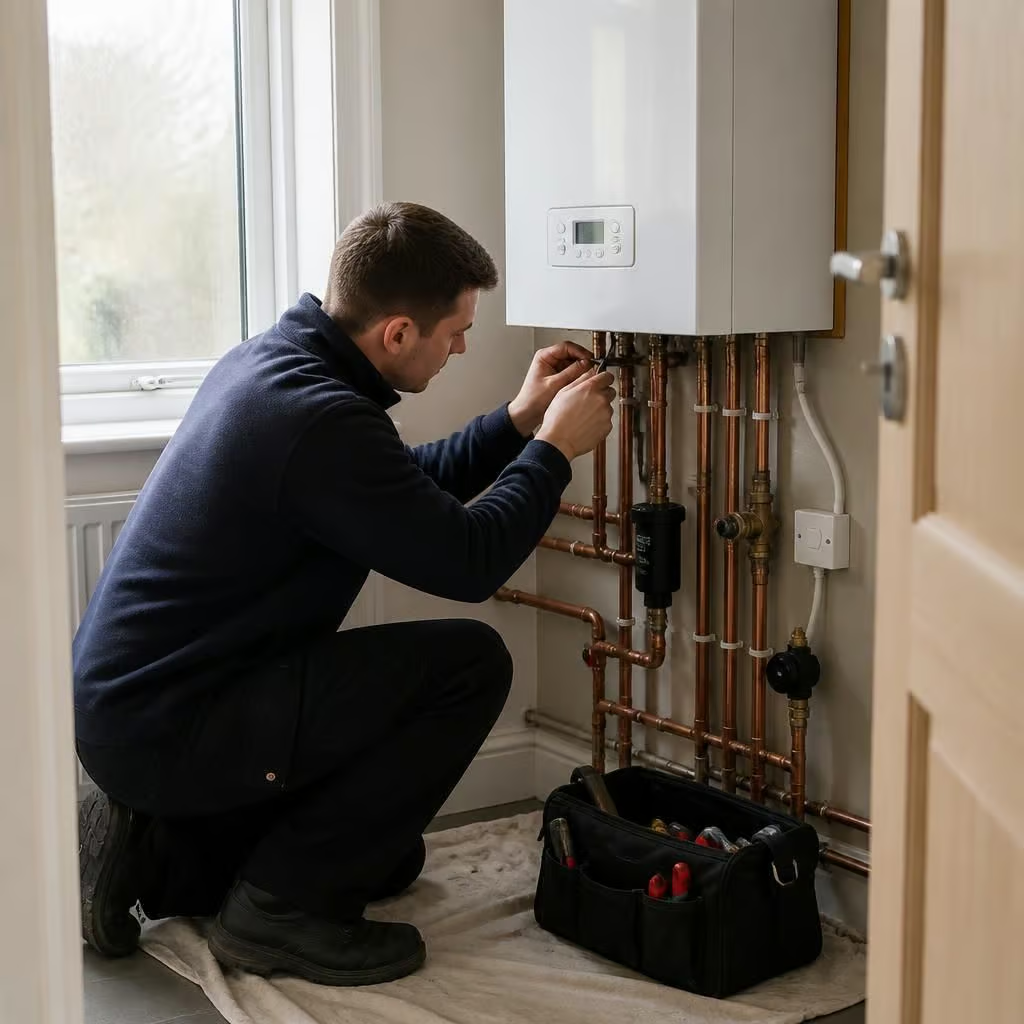
On the day, we protect the route into the house and the working area. We drain the relevant part of the heating system, disconnect the old boiler and remove it safely. The boiler cannot provide heating or hot water during this central part of the installation, but we keep the work focused so the system can be brought back into use as soon as the new connection is complete.
A boiler in the same position usually causes less disruption than one being moved. The new appliance may need revised pipework, a different flue arrangement or a new condensate route. We may also need to open a small section of wall, cupboard or boxing to reach the services. We explain where this is necessary before work begins.
Moving the boiler creates more work because the gas or oil pipework, heating pipes, flue and condensate drain all need suitable routes. A move into a loft, cupboard or external wall can also affect access for future servicing. We consider those practical points before recommending a new position, rather than treating the move as simply relocating the appliance.
The surrounding heating system can affect the installation as well. A replacement combi boiler connects differently from a system or regular boiler. A cylinder, pump, controls or expansion vessel may need checking or replacing if they are not compatible with the new arrangement. If radiators or pipework need attention, we set out that extra work separately so you can decide whether to include it.
Older properties often have pipework concealed behind finishes, uneven walls or limited access around the boiler. Solid walls, barn conversions and older extensions can make flue and condensate routes less straightforward. We plan around the building rather than assuming that a modern standard layout will fit every home.
- Before removal: we isolate the fuel and electrical supplies, drain the system where needed and protect the work area.
- During installation: we remove the old appliance, make the required pipework connections and install the boiler, flue and controls.
- Before handover: we test the appliance, check for leaks, confirm the controls operate correctly and commission the system.
- After testing: we explain the controls, remove installation waste and leave the working area tidy.
The final checks matter as much as fitting the appliance. A Gas Safe registered engineer checks the gas installation and combustion, confirms the flue is safe and verifies that the boiler operates correctly. We also check the heating circuit pressure and make sure hot water reaches the taps as expected.
If the work involves an oil-fired boiler, the fuel supply and oil storage arrangement need their own checks. An OFTEC-registered engineer can assess the oil-fired system, which is particularly relevant where a property is not connected to the gas grid.
Most of the mess comes from draining the system, altering pipework and making good access points. We do not normally need to disturb the whole house. Work is concentrated around the boiler, radiators or controls that are being changed. If floorboards, cupboards or wall finishes must be opened, we tell you where and why before proceeding.
You can reduce disruption by making the boiler area accessible and keeping a clear route to it. If the appliance is in a cupboard, remove stored items beforehand. Tell us about pets, vulnerable occupants, water-sensitive flooring or rooms that must remain accessible, so we can account for them in the working plan.
The installation is complete when the boiler has been commissioned, the controls have been demonstrated and the system is operating safely. You receive the relevant paperwork and a clear explanation of what has changed. If the replacement needs wider work, such as radiator changes or a revised heating layout, we separate that from the core boiler installation so the decision and the likely disruption remain clear.
If removing the old boiler reveals an issue that wasn’t visible beforehand, we explain it before carrying out additional work. You’ll know what we’ve found, why it matters and how it changes the installation. We set out any revised work and cost for you to approve, rather than allowing the job to expand without agreement.
That approach keeps the disruption predictable. The original plan remains clear, while any necessary change is dealt with openly before we alter further pipework, controls or access points.