What should I prepare before the boiler installation?
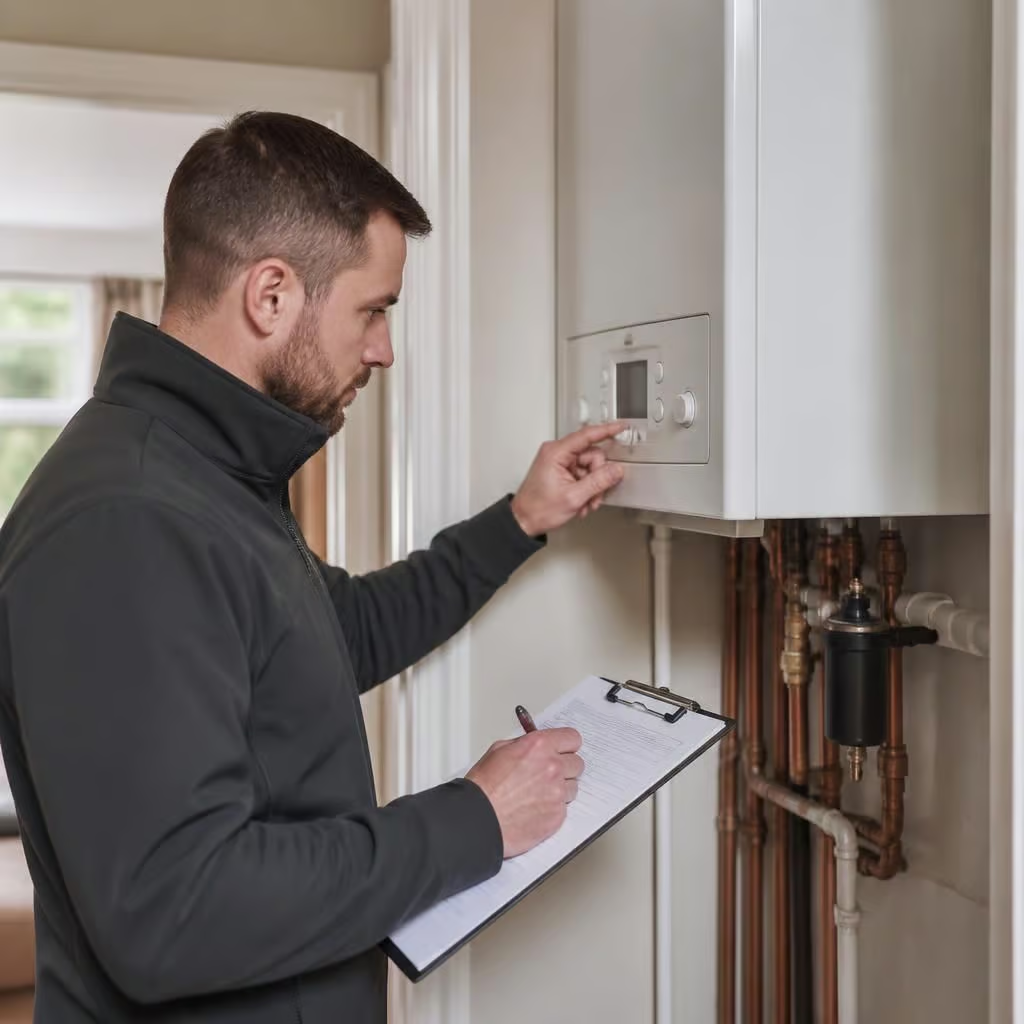
Before a boiler installation, clear access to the boiler, radiators, controls and flue route, and decide where you want the controls and hot-water arrangements. We’ll check the existing heating system, confirm safety and access requirements, and agree the work and our quotation with you before installation day.
Before a boiler installation, settle the heating and hot-water requirements, check any permissions, understand the quotation and plan for the work in the house. The more clearly these points are agreed beforehand, the fewer decisions need making while the installation is under way.
Decide what the new system needs to do
Think about how many people use hot water, when demand is highest and whether several taps or showers may run together. A combi boiler may suit a home with moderate hot-water demand and limited space. A system or regular boiler with a cylinder may be more suitable where several bathrooms are used or hot-water demand is higher.
If the property already has a cylinder, make a note of its age and condition. Replacing an old boiler may expose weaknesses elsewhere in the system, so we’ll explain if the cylinder, pump, valves or expansion equipment should be considered as part of the work.
Be clear about the quotation
Check that the written quotation explains the boiler installation itself and any associated work. This may include removing the old appliance, alterations to pipework, a new flue, condensate arrangements, system cleaning, controls, filters, electrical work and disposal of the old boiler.
Ask about anything you don’t understand before accepting the quotation. A low initial price can become difficult to compare if important items are listed as possible extras. We provide the price and agreed scope before work starts, so you can make the decision with the likely cost in front of you.
Gather useful information about the existing system
Have the boiler make and model, approximate installation date and any recent service records available if you have them. Fault codes, pressure problems, leaks or recurring repairs are also worth noting. They help us understand the system’s history, although they won’t replace the checks carried out during the survey.
If you’re replacing an oil-fired boiler, keep details of the oil tank and its location available. An off-gas-grid property may also need decisions about the fuel system, hot-water cylinder and controls rather than the boiler alone. We’ll explain any implications for an older or rural home before the installation is agreed.
Check permissions before changing the outside of the system
A new flue, external pipework, oil tank or other visible alteration may need additional consideration on a listed property, in a conservation area or where planning conditions apply. Contact the relevant planning authority if you’re unsure about the property’s restrictions. It’s better to resolve that question before equipment is ordered.
Landlords should also allow for the relevant gas safety or oil-heating paperwork after the work. Gas work must be completed by a Gas Safe registered engineer. For an oil-fired system, OFTEC registration covers the installation and servicing requirements that apply to the work.
Plan for the installation day
Decide which belongings need protecting or moving from the work area, and identify where we can place removed components during the installation. If the boiler is in a cupboard, utility room or loft, check that the space can be used safely while we work. We’ll discuss the practical arrangements with you beforehand rather than leaving them to chance on the day.
The heating and hot water will be unavailable for part of the installation. Plan showers, washing and other hot-water use around that interruption. If the work affects more than one room, keep children and pets away from the working area until we have finished and checked the system.
Consider the finished system, not only the boiler
A replacement is a good time to decide where the thermostat should be and how you want to use the heating. Think about rooms that are used rarely, bedrooms that need different temperatures and times when the house is empty. We can then set up the controls around how the home is actually used.
If the new boiler is replacing an older system, ask how to use the pressure gauge, reset controls and frost protection. We’ll show you the normal operating settings, explain what needs checking and provide the installation paperwork when the system is complete.
Keep the final paperwork
Keep the quotation, boiler details, commissioning records and warranty information together. You may need them for future servicing, a property sale, a tenancy file or a later repair. If you’re arranging the work for a rental property, make sure the responsible person receives the safety documentation and understands any ongoing maintenance requirements.
These preparations don’t mean you need to specify the technical design yourself. Your part is to explain how the home is used, raise any restrictions and check what the quotation includes. We’ll use that information to recommend a suitable replacement and explain the preparation needed before installation begins.
If you’re planning an extension, loft conversion or insulation work, tell us before the boiler is specified. A change to the home can alter its heating demand, radiator positions and hot-water requirements.
We’ll take those plans into account when assessing the replacement. That helps avoid choosing equipment for the house as it is today when its layout or heat loss is about to change.