
How can I compare new boiler installation quotes fairly?
Compare written quotes line by line, checking that each includes the same boiler, controls, flue work, system alterations, commissioning, warranty and exclusions. Then assess the installer’s qualifications, experience and aftercare, not just the lowest total.
The fairest comparison is not the lowest headline price. It is the quote that gives you the clearest total cost, the soundest heating design and the fewest unresolved assumptions.
Start by asking each installer to quote from the same information. Show them the current boiler, heating controls, hot-water cylinder if you have one, and any areas that do not heat properly. Tell them about planned building work, an extension or a loft conversion. A quote based on a short phone call may miss work that a proper site assessment would identify.
Then check how firm each price is. A fixed quotation should explain the circumstances that could change it. For example, an inaccessible flue, unsafe wiring or damaged pipework may need attention once the old boiler is removed. That is different from a quote that simply describes the price as an estimate without explaining what it includes.
Ask these questions before comparing the totals:
- Is the price based on a site survey or only on the existing boiler’s output?
- What work is assumed to be suitable for reuse?
- What would make the price change after the old boiler comes out?
- Who pays for extra work if the installation cannot follow the assumed route?
- When will the installer tell you about a variation, and will you approve it before work continues?
Look next at the proposed heating design. A larger boiler is not automatically better. The output should suit the heat loss and hot-water demand of the property, while the system should work properly with the existing radiators and controls. If the house has been extended, has solid walls or has rooms that have always felt cold, ask what evidence supports the recommendation.
A fair quote explains any recommended changes to radiators, pipework, pumps, controls or the hot-water cylinder. Those items may add cost, but leaving a known restriction in place can produce a less satisfactory result. Conversely, a quote should explain why a proposed upgrade is needed rather than adding equipment without a clear purpose.
Check the work that happens after the boiler is connected. The installation should include safe removal of the old appliance, suitable connection to the existing system, system cleaning where required, filling and testing, and proper commissioning. Ask who removes the old boiler and whether that disposal is included. Also check whether the installer will balance the radiators and explain the controls once the system is running.
Commissioning matters because it records how the boiler has been set up. Ask whether you will receive the commissioning record, operating instructions and the documents needed for registration. Keep these with the warranty paperwork. If the home is rented, the landlord or agent may also need separate safety and compliance records.
The installer matters as much as the appliance. Gas work must be carried out by a Gas Safe registered engineer. For an oil-fired boiler, OFTEC registration is relevant because it shows that the engineer is qualified for that type of system. Ask who will actually carry out the work, rather than relying only on the name printed on the quotation.
Compare aftercare in practical terms. Check who handles a fault during the warranty period, whether the installer deals with manufacturer warranty registration and what the warranty covers. A longer appliance warranty does not necessarily cover labour, controls, pipework or faults caused by poor system condition. The written terms should make those limits clear.
Price the disruption as well as the installation. Ask how long the work is expected to take, where the engineers need access and what happens to flooring, cupboards and wall finishes around the boiler. If the flue route or condensate pipe needs changing, the quote should show how the finished work will be made good. A cheaper quote can become less attractive if it leaves you arranging separate building or decorating work.
For an older or off-gas-grid property, check that the quote reflects the fuel and the existing system. An oil or LPG installation has different equipment, safety requirements and storage arrangements from a gas installation. Older solid-wall homes and barn conversions may also have unusual pipe routes or limited service access. The person quoting should be able to explain those constraints in plain terms.
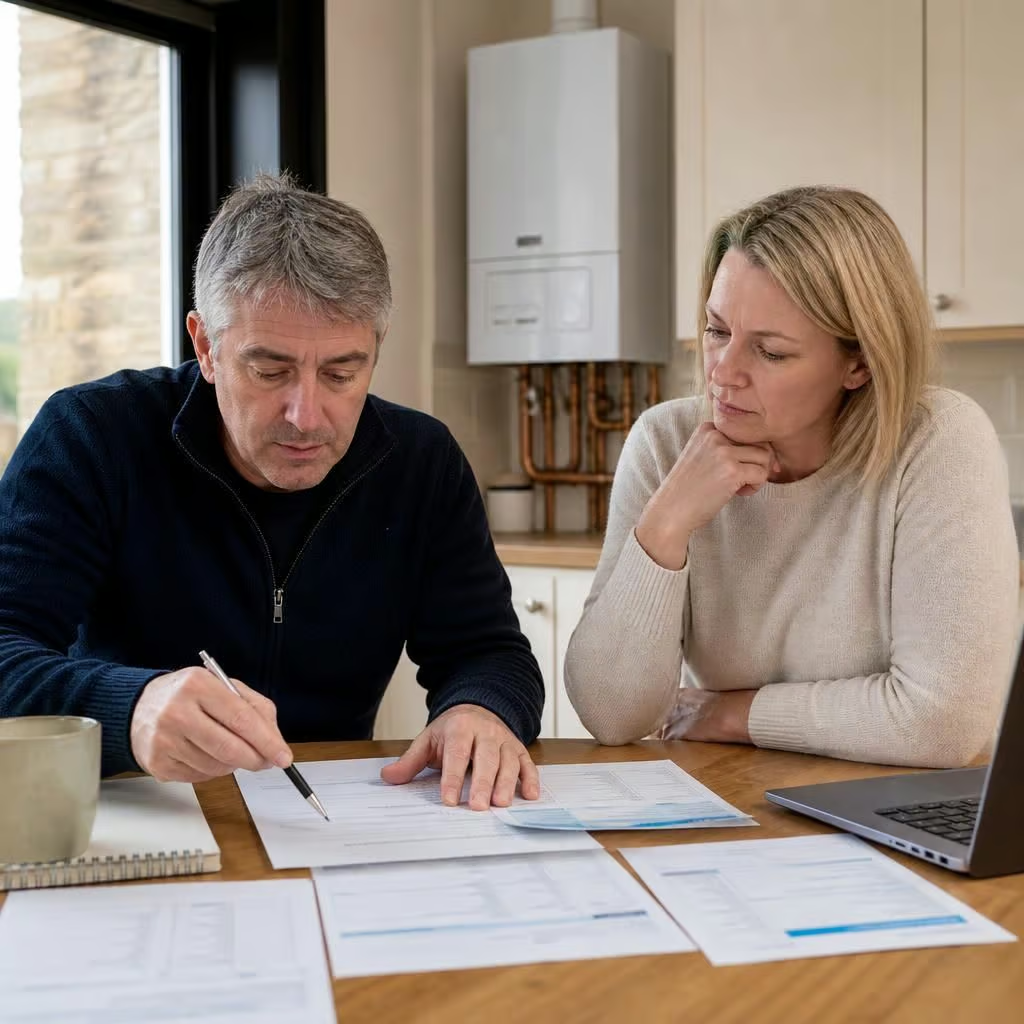
Put the quotes into a simple comparison table. Use the same headings for the appliance, controls, flue work, system alterations, removal, commissioning, paperwork, warranty and payment stages. Mark each item as included, excluded or subject to survey. This exposes a low quote that leaves important work out.
Be cautious if the installer cannot explain the boiler choice, wants a deposit before visiting, avoids written details or pressures you to decide immediately. A very low figure may reflect omitted work, unsuitable sizing or an assumption that you will organise the finishing work yourself. A higher figure may be justified, but the installer should show you exactly what the difference buys.
We survey the heating system before preparing a written quotation. The quotation sets out the proposed equipment, the work included and the assumptions that could affect the price. Our engineers carry out the installation and leave the relevant commissioning and registration paperwork, so you can compare the finished job rather than just the appliance cost.
Before choosing, ask each installer to confirm the final price, the expected payment stages, the people carrying out the work and the process for approving anything unforeseen. You can then compare like with like and choose on the quality and completeness of the installation, not just the first number on the page.
Two quotes can both say “new condensing boiler” while specifying different appliances. Ask each installer to name the exact model, central-heating output and hot-water output, rather than comparing brand names or boiler size alone.
Check the controls separately. A basic timer, programmable thermostat and weather-compensating control do not provide the same level of control over the heating. The quote should state what is included and explain why it suits the way your household uses the system. That detail helps you compare the equipment you will actually operate, not just the price on the first page.