
What maintenance will a new boiler need after installation?
A new boiler still needs an annual service, along with occasional checks of its controls, condensate pipe, flue and heating system. We service it to the manufacturer’s instructions, identify faults early and keep the boiler operating safely and efficiently.
After installation, plan for a service at the interval stated by the boiler manufacturer, usually once a year. Regular servicing keeps the appliance adjusted correctly, identifies wear before it causes a breakdown and helps you meet the conditions attached to the manufacturer’s warranty.
The first service is also a useful check that the system has settled properly after installation. We review the boiler settings, heating controls, system pressure and any changes in performance since the installation. If the house is taking longer to heat, radiators are cooler at the top or the boiler is losing pressure, tell us before the appointment.
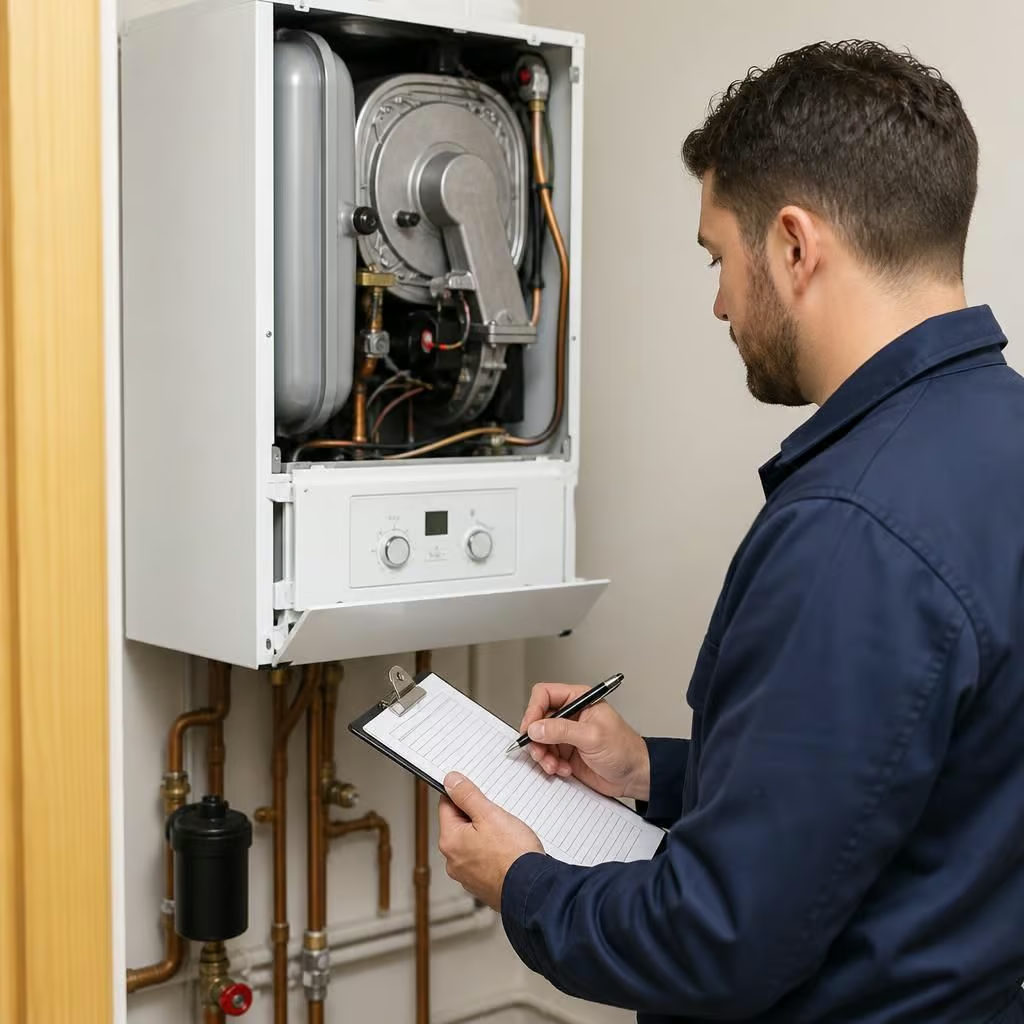
During a gas boiler service, a Gas Safe registered engineer checks the appliance casing, burner, seals, heat exchanger, flue and condensate discharge. We test the combustion and compare the readings with the manufacturer’s requirements. We also check that the flue terminates safely and that the boiler receives the ventilation it needs.
For an oil-fired boiler, the service includes the burner, nozzle, oil filter, combustion settings, flue and safety controls. We look for signs of poor fuel flow or soot that could reduce performance. An OFTEC-registered engineer is qualified to service the oil-fired system as well as the boiler itself.
Your heating system needs attention beyond the boiler casing. We check the expansion vessel, pressure relief arrangements, circulating pump, magnetic filter and accessible pipework. We inspect radiators and controls where they affect the boiler’s operation. Dirty system water or trapped air can make the boiler work harder and leave some rooms cold.
- System pressure: on a sealed system, check the gauge occasionally when the heating is cold. If it repeatedly falls, arrange an investigation rather than continually topping it up.
- Condensate pipe: keep the visible pipe and its outlet clear. If it freezes, the boiler may shut down and display a fault code. Follow the boiler manufacturer’s instructions before attempting to thaw it.
- Radiators: bleed them only when necessary and with the heating switched off. Recheck the system pressure afterwards if your system is sealed.
- Controls: test the programmer, room thermostat and thermostatic radiator valves before the colder months. Replace batteries when a control indicates that they are low.
- Flue and ventilation: keep the flue terminal and any ventilation grilles unobstructed. Do not build around, cover or alter them.
- Carbon monoxide alarm: test the alarm regularly and replace it according to its instructions. Never treat an alarm as a substitute for boiler servicing.
Do not remove the boiler cover or attempt to adjust the burner yourself. Internal checks involve combustion and safety components, so a qualified engineer should carry them out. If you smell gas, suspect carbon monoxide or see soot around the appliance, switch the boiler off if it is safe to do so, leave the property and follow the relevant emergency safety guidance.
A service record should show the date, appliance details, safety checks, combustion results where applicable and any work recommended. Keep it with the installation paperwork. It gives the next engineer a useful history and helps show that the boiler has been maintained in line with the manufacturer’s instructions.
Some maintenance is corrective rather than routine. A small pressure loss may point to a leaking radiator valve, pipe joint, expansion vessel or pressure relief valve. Repeated ignition faults may involve the gas supply, condensate route, electrodes or controls. We investigate the cause instead of repeatedly resetting the boiler.
Older properties can place more demand on a new boiler because of long pipe runs, uneven radiator sizing or a heating system that has accumulated debris over time. If those issues become apparent after installation, we can explain whether cleaning, balancing, control changes or radiator and pipework work would improve the system. We will separate essential safety work from optional improvements in the service report.
Book the service before the previous one becomes overdue, and contact us sooner if the boiler shows a fault code, loses pressure, makes unusual noises or produces uneven heating. A new boiler should not need constant adjustment; recurring symptoms deserve a proper diagnosis.
If you let the property, a boiler service and a landlord’s gas safety check are separate requirements. The service assesses condition, combustion and performance. The safety check records whether the gas appliance and flue are safe to use at the time of inspection.
Arrange both at the interval required for the property and keep each record with the installation paperwork. That gives you a clear maintenance history and the correct certificate for the tenancy.