
Will a new boiler suit my home's existing heating system?
A new boiler will often work with your existing radiators and pipework, but compatibility depends on the fuel, flue route, heating controls and condition of the system. We check these before recommending the replacement, including any upgrades needed to heat your home properly and keep the installation safe.
Compatibility depends on the heating system as a whole, not just the replacement boiler. In many homes, the existing radiators, cylinder and pipework can stay in place. Older systems sometimes need a few supporting changes so the new boiler can operate safely and efficiently.
The heating system type matters
Your home may have a combi boiler, a system boiler with a hot water cylinder, or a regular boiler with a feed-and-expansion tank. Each arrangement has different connections, controls and space requirements.
- A combi boiler heats mains water as you use it, so we check the incoming water pressure and flow before recommending one.
- A system boiler works with a hot water cylinder and usually keeps the existing cold-water storage arrangement out of the loft.
- A regular boiler may suit a property that already has storage tanks and a cylinder, particularly where several bathrooms use hot water at the same time.
Changing from one type to another is possible, but it may involve pipework alterations, electrical work, removing tanks or changing the hot water cylinder. The available cupboard and loft space also affects the practical choice.
Radiators and pipework
Your radiators do not automatically need replacing because the boiler is being changed. We check their condition, size, valves and position, then compare their output with the heat each room needs.
Cold spots, corrosion, leaking valves and repeated air problems can point to issues that a new boiler alone will not resolve. Sludge in the system can also restrict circulation and damage pumps or heat exchangers. Where appropriate, we recommend cleaning, a filter, replacement valves or selected radiator changes rather than replacing everything unnecessarily.
Older pipework can remain suitable, but we look for restricted sections, poor connections, inadequate circulation and pipe routes that cannot support the proposed boiler. Any alteration is explained before work starts, so the quotation shows what is included.
Choosing the right output
A larger boiler is not automatically better. For central heating, the required output relates to the heat lost through the walls, roof, floors, windows and ventilation. We use the property and its rooms to establish an appropriate size rather than simply matching the old boiler.
Hot water can change the calculation. A combi boiler must provide enough flow for the taps and shower, while a boiler serving a cylinder must heat stored water at a suitable rate. Your household’s hot water use, bathroom layout and available cylinder space all form part of that decision.
An oversized boiler can cycle on and off more than necessary. The correct controls and operating settings help the system run steadily and avoid wasting fuel.
Fuel and the existing supply
A replacement must be suitable for the fuel available at the property. Gas, oil and LPG appliances have different installation requirements, flues, controls and servicing arrangements.
If your property is off the gas grid, an oil or LPG replacement may be the most straightforward route. We check the tank, oil line or LPG supply, appliance position and ventilation as part of the assessment. Oil-fired work is carried out by OFTEC-registered engineers, which covers the requirements for an oil heating system. Gas boiler work is carried out by Gas Safe registered engineers, as the law requires.
Moving from oil or LPG to gas is not just a boiler change. It depends on whether a suitable gas supply exists and may require different pipework, meter arrangements and flue positioning. We set out those implications before you decide.
Flue, condensate and ventilation
The new boiler must have a compliant route for its flue gases. A different appliance may need a different terminal position, especially if the existing boiler is in a cupboard, extension or room with limited external wall access.
Condensing boilers also produce acidic condensate. We plan a suitable discharge route to a drain, using appropriate protection where freezing or damage could be a concern. The boiler room must also have the ventilation required for the appliance and its fuel.
Listed buildings, solid-wall homes and barn conversions can make the flue route more sensitive. We consider the building fabric and the visual position of the terminal rather than assuming the old route can be reused.
Controls and electrical connections
Your existing thermostat or programmer may work with a replacement boiler, but older controls may not provide the control the new system needs. We check the wiring centre, zone valves, thermostats and timers, then explain any control upgrade that would improve operation or meet the installation requirements.
We also check the boiler’s electrical supply, isolation point and route for the condensate pump if one is needed. An electrical fault or unsuitable connection is dealt with as part of the work, rather than left for another contractor to resolve.
When the existing system needs more work
A boiler replacement may uncover components that are worn, incorrectly sized or no longer compliant. Common recommendations include:
- replacing a failed pump, valve, expansion vessel or safety component;
- updating an unsuitable flue or condensate connection;
- cleaning contaminated system water and adding suitable protection;
- changing damaged radiators or valves;
- altering pipework around the boiler, cylinder or heating controls;
- improving ventilation or providing a compliant electrical connection.
We separate essential safety work from optional improvements. You receive a written quotation before work starts, with the proposed boiler and any associated changes set out clearly.
What happens in an older home
Older houses often have a mixture of pipe sizes, previous extensions and heating alterations carried out at different times. That does not rule out a new boiler, but it makes a proper inspection more useful than choosing an appliance from the old boiler label alone.
Solid-wall properties, listed buildings and barn conversions may need careful routing for pipes, controls or the flue. We plan around the building where possible and identify any visible disruption before installation. The engineers work tidily and leave the property as they found it.
The result should be a boiler that matches the fuel, hot water demand, heat loss and physical constraints of the home. If the existing arrangement is unsuitable, we explain why and show which changes are needed rather than treating a like-for-like replacement as the only option.
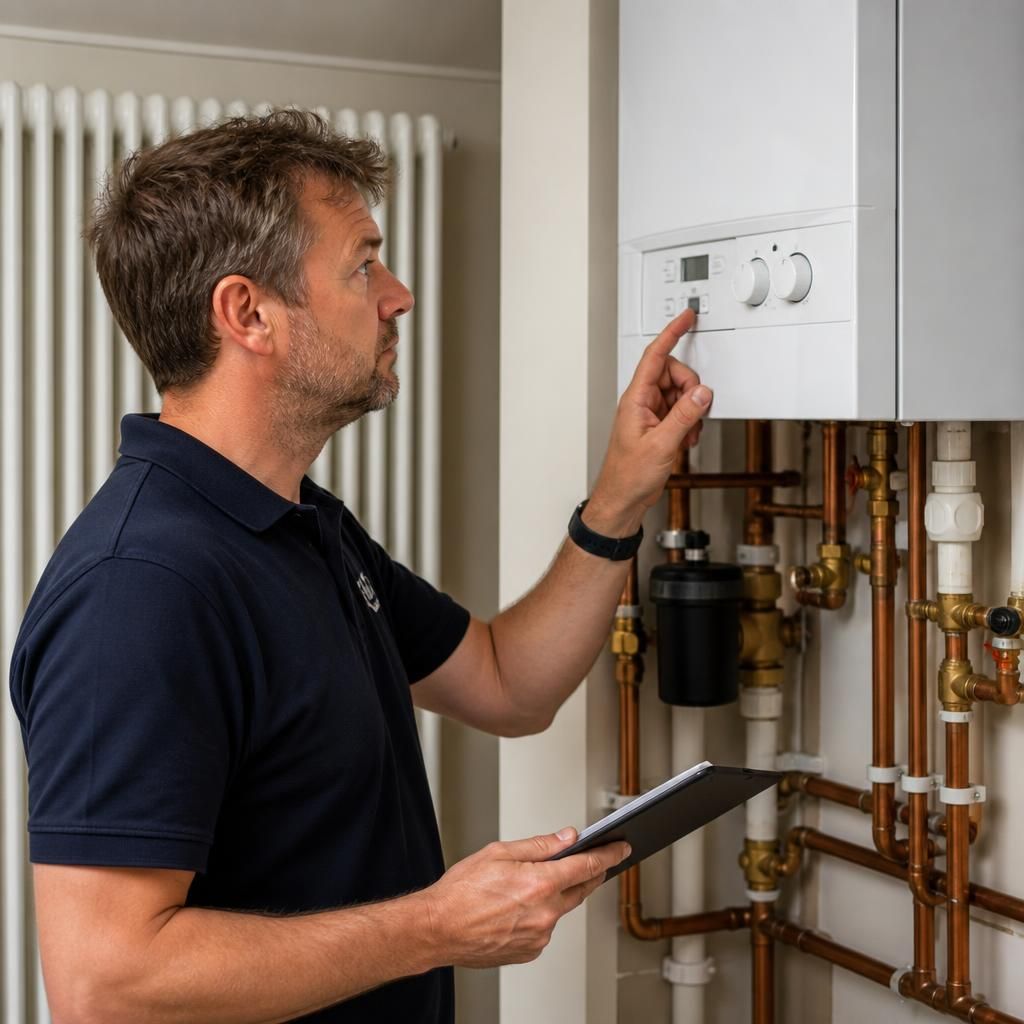
Keeping the existing radiators does not mean the system can be left untouched. After installation, we balance the radiators so heat reaches each room properly instead of favouring the nearest ones.
We also set the controls, check operating pressure and confirm that the boiler responds correctly to heating and hot water demand. You’re left with a replacement that works with the existing system as a complete installation, not simply a new appliance connected to old settings.