Is my property suitable for an air source heat pump?
Most properties can be suitable for an air source heat pump, including many older and off-gas-grid homes, but the right system depends on insulation, heat loss, radiators, pipework, outdoor space and electrical capacity. We assess those details before recommending a system, and explain any improvements needed so you can decide with clear costs and practical expectations.
Most homes can be assessed for an air source heat pump, including many older and off-gas-grid properties. A suitable installation depends on how the house uses heat, not simply its age, size or type of construction. We look at the whole heating system and the practical changes needed before recommending anything.
The heat demand matters more than the boiler size. A room-by-room heat-loss calculation shows how much heat each space needs on a cold day. We use this to select the heat pump and check whether each radiator can emit enough heat at the lower temperatures a heat pump normally provides. An existing radiator may be suitable, while another room may need a larger or different emitter.
That calculation also gives a more useful starting point for discussing running costs. We can compare the estimated electricity use with the fuel currently used for heating, taking account of the property, its controls and the available tariff. No responsible installer can give a meaningful saving figure from the house type alone.
Older houses are not automatically ruled out. Solid walls, barn conversions and listed buildings can have higher heat losses, awkward pipe routes or rooms that heat unevenly. Those issues need dealing with in the design rather than hidden behind a standard system recommendation. Small improvements such as draught reduction, roof insulation or better controls may help, but a property does not always need to be upgraded to modern new-build standards before an assessment is worthwhile.
Some older homes have thick walls that respond slowly to changes in temperature. A heat pump usually works best when it maintains a steady background temperature rather than repeatedly heating the house from cold. We explain what that means for the controls and for how the heating will feel in daily use, so you can judge whether the system suits your household.
Your current fuel affects the comparison. Replacing an oil or LPG boiler can be particularly relevant where there is no mains gas connection, but the change involves more than swapping one appliance for another. We consider the existing cylinder, hot-water arrangements, pipework, controls and any fuel storage that may remain. If a property already has suitable wet central heating, some of that system may be retained.
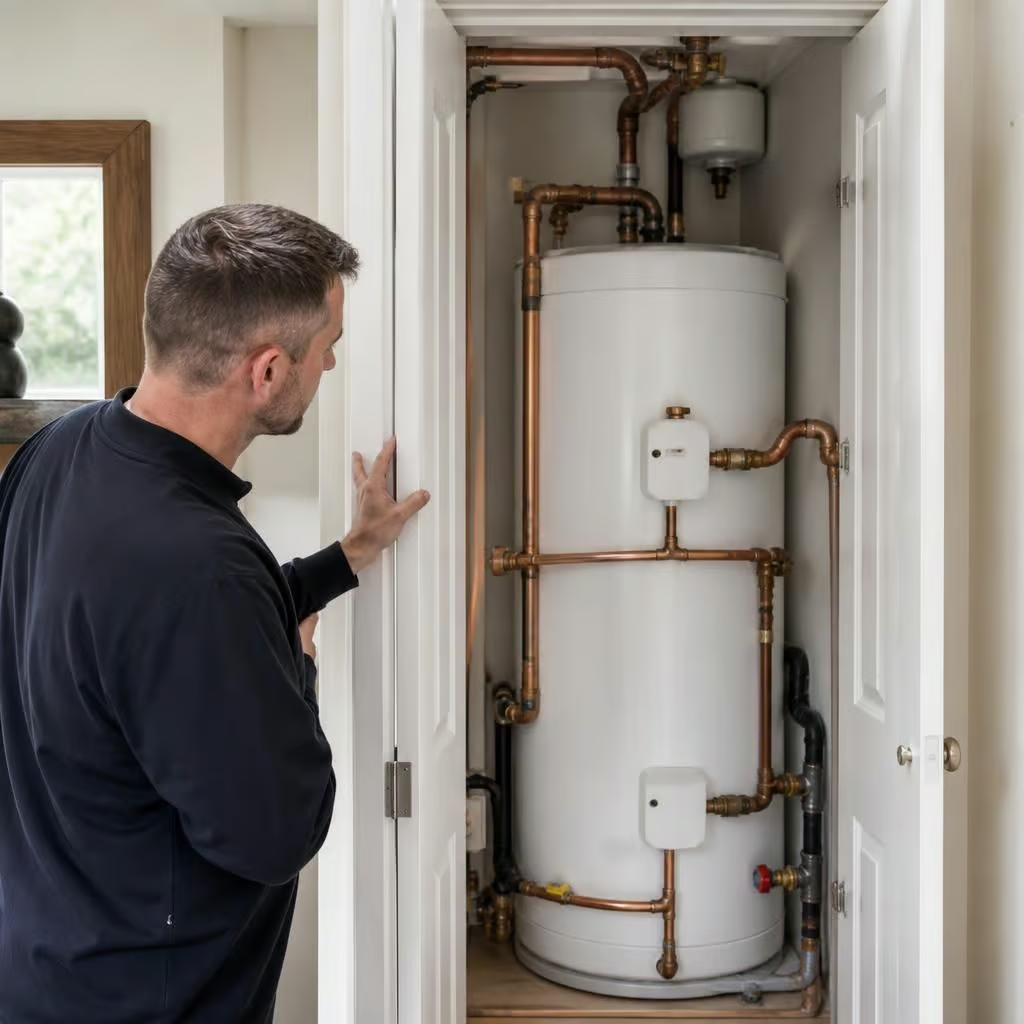
Heat pumps generally provide lower-temperature water than conventional boilers. The hot-water cylinder, immersion heater and control arrangement therefore need checking as part of the design. A boiler cupboard may not have enough room for the required cylinder or associated equipment, so we discuss possible locations before work is agreed.
The electrical side can determine the design. We check the incoming supply, consumer unit and available capacity rather than assuming the existing installation can accept the new demand. An upgrade may be needed, particularly if the property will also have an EV charger, solar panels or a battery. Any changes are identified before the quotation, so electrical work does not appear unexpectedly during installation.
The outdoor unit needs a suitable position with clear airflow and access for maintenance. We consider its relationship to windows, boundaries and neighbouring buildings, as well as the route for refrigerant pipework and condensate drainage. The indoor equipment needs a practical route to the heating circuit and hot-water cylinder. These details can be more challenging in a converted barn, listed house or property with several extensions.
Planning requirements depend on the property and the proposed installation. A listed building, conservation area or unusual external arrangement may need additional checks. We raise these points during the assessment rather than treating planning as an afterthought. Building regulations and electrical requirements also form part of the installation process.
Suitability includes the disruption and total cost. The price depends on the heat pump, cylinder, controls, radiator or pipework changes, electrical work, access and any preparation to the building. We set out the recommended work in a written quotation before anything starts. If the existing system can be kept in part, we explain that; if replacing it would avoid future problems, we explain that instead.
Installation may involve lifting floorboards, working in cupboards, altering pipe routes or removing some radiators. We identify these areas in advance and explain what access is needed. The amount of disruption varies greatly between a modern property with accessible pipework and an older house where services are concealed or floors must be protected.
Grant eligibility is another part of the financial assessment, but it should not be the reason to install an unsuitable system. Our MCS-certified renewable energy installers can check the current Boiler Upgrade Scheme requirements and make an application on your behalf where the property and installation qualify. MCS certification also means the completed installation can qualify for the Smart Export Guarantee if it meets the relevant conditions, although the grant and export arrangements remain subject to their current rules.
The assessment should end with a clear recommendation. We explain which parts of the existing system can remain, what needs changing and how the controls will work. If the property would need disproportionate alteration, or the expected performance would not justify the work, we will say so. The right outcome may be preparation before a later installation rather than an immediate heat pump.
For a property that does look suitable, the next step is a design based on its actual heat loss and heating requirements, not a rule of thumb. That gives you a clear basis for comparing the cost, disruption and expected operation before deciding whether to proceed.
If the outdoor unit would sit near a bedroom window or boundary, noise may be a concern. Heat pumps make a low-level operating sound, so position matters as much as the equipment itself.
We assess nearby windows, neighbouring properties and the normal operating pattern before recommending a location. We also consider airflow, maintenance access and the visual effect on the building. That helps us identify a practical position rather than moving the problem elsewhere.