How is commercial solar performance monitored after installation?
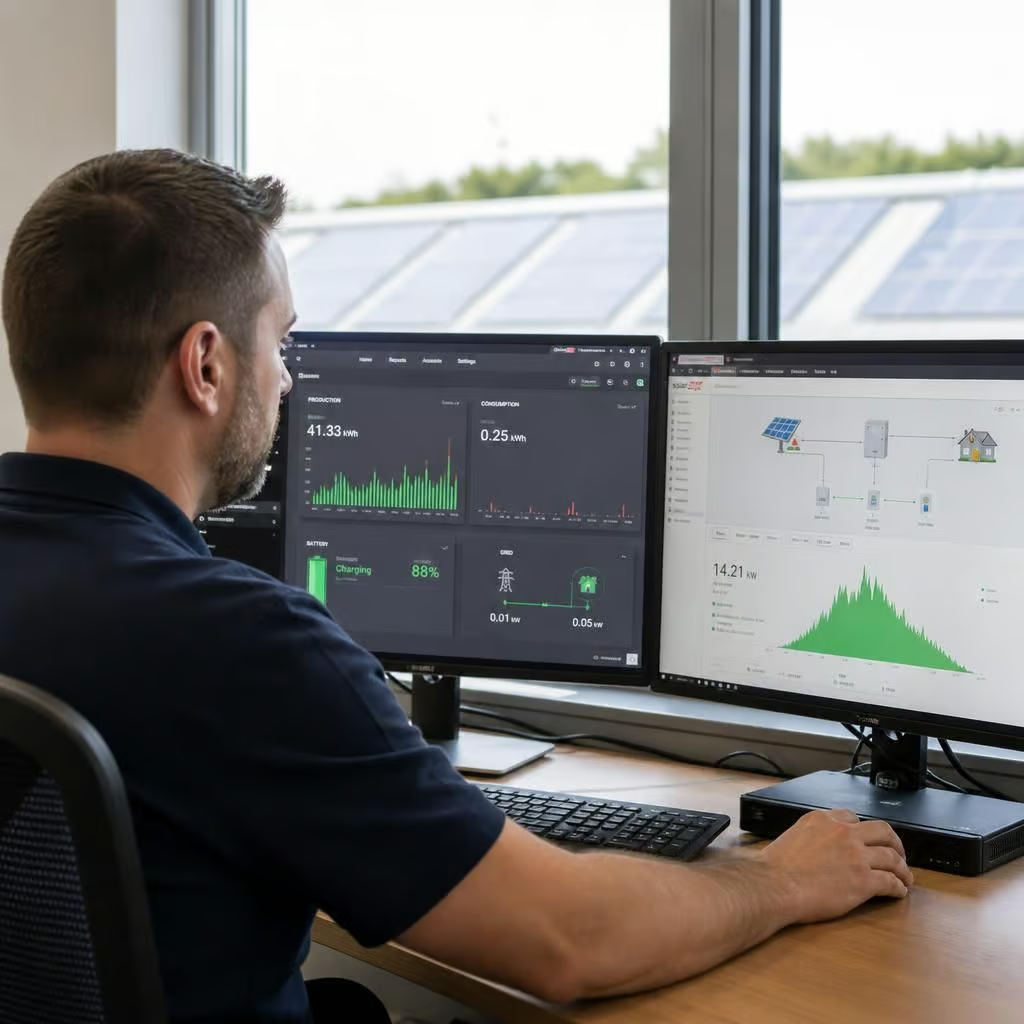
Commercial solar performance is monitored through the system’s online portal, showing energy generation, consumption and any faults. We use this information to check the installation is operating as expected and identify issues that need attention.
Effective monitoring goes beyond checking whether the panels are producing electricity. It shows how the system is performing against its design, how much of that energy the building uses, and where a change needs investigating.
The inverter portal provides the first layer of information. It records generation over selected periods and displays the system’s operating status. Depending on the equipment installed, it may also show inverter temperatures, individual array sections, battery charge levels, import, export and on-site consumption.
That information needs context. A commercial array will not produce the same amount every day. Cloud, winter daylight, shading from new growth and temporary building works can all affect the readings. We look for a sustained change or an unexpected pattern rather than treating one low-production day as a fault.
We establish a useful baseline at handover. The design includes assumptions about roof orientation, shading, panel capacity and the building’s electricity demand. The commissioning records provide a reference for later checks. If the system’s output starts to differ materially from that reference, the portal data helps narrow down when the change began.
Your electricity use may change after the installation, even if the solar array is working normally. A new refrigeration unit, workshop, heat pump or extended operating period can increase the building’s imports. A quieter production schedule can leave more generation available for export. We therefore consider generation alongside the site’s import and export readings, rather than judging performance from the electricity bill alone.
Alerts help identify the type of problem. An inverter may report a loss of communication, an isolation issue, a protection trip or an internal fault. These messages do not all mean the panels themselves have failed. A communications problem can hide otherwise normal operation, while an electrical protection issue needs a different response from a drop caused by shading or soiling.
We use the alert, the time it appeared and the surrounding readings to decide the next check. Some issues can be assessed from the monitoring information. Others require an engineer to inspect the inverter, cabling, protection, meter and roof-mounted equipment safely. Remote monitoring does not replace electrical testing when the readings point to a physical fault.
The portal also helps separate generation from savings. Solar generation is the electricity the array produces. Financial benefit depends on how much the building uses directly, how much it exports and the rates applied to imported and exported electricity. Those figures can change independently. A fall in savings does not automatically mean a fall in solar output.
For a system with battery storage, the review includes the battery’s charging and discharging pattern. A battery that charges during sunny periods but does not discharge when the building is using electricity may need its settings, communications or operating schedule checked. We also consider whether the site’s demand profile has changed since the battery was commissioned.
Monitoring can highlight physical causes of underperformance. A gradual reduction in output may justify checking for new shading, dirt, vegetation, damaged equipment or a change in the array’s electrical configuration. The data does not identify every cause by itself, but it tells us when the pattern changed and which parts of the system deserve attention.
The monitoring connection is important too. If the inverter stops sending data, the portal may show no recent readings even though the array is still generating. Internet or gateway problems can create a reporting gap without creating a generation fault. We compare portal information with the building’s generation meter and other available records before drawing a conclusion.
Good records make the system easier to manage. The handover information should identify the inverter, meters, array layout, isolation points and portal access. It should also explain the normal shutdown procedure and show which readings matter. Keeping electricity bills and significant changes in site operation alongside the monitoring records makes later comparisons more useful.
Where the installation is eligible for the Smart Export Guarantee, MCS certification supports the application process. Monitoring helps the building owner understand the exported energy, but the supplier’s tariff and meter arrangements determine how that export is recorded and paid.
For a commercial system, the practical result is a record of what the array is producing, how the building is using that energy and whether the system’s behaviour has changed. We can then investigate a specific concern with evidence instead of relying on an assumption based on a single bill or a single day’s weather.
A busy site needs more than a graph showing daily generation. We turn unusual readings into a clear next step, such as checking the communications link, reviewing a changed operating schedule or arranging an engineer’s inspection.
That leaves the building owner or facilities manager with a useful record of what has changed and why it matters. It also helps planned maintenance deal with a developing issue before it becomes an unexplained gap in the site’s energy records.