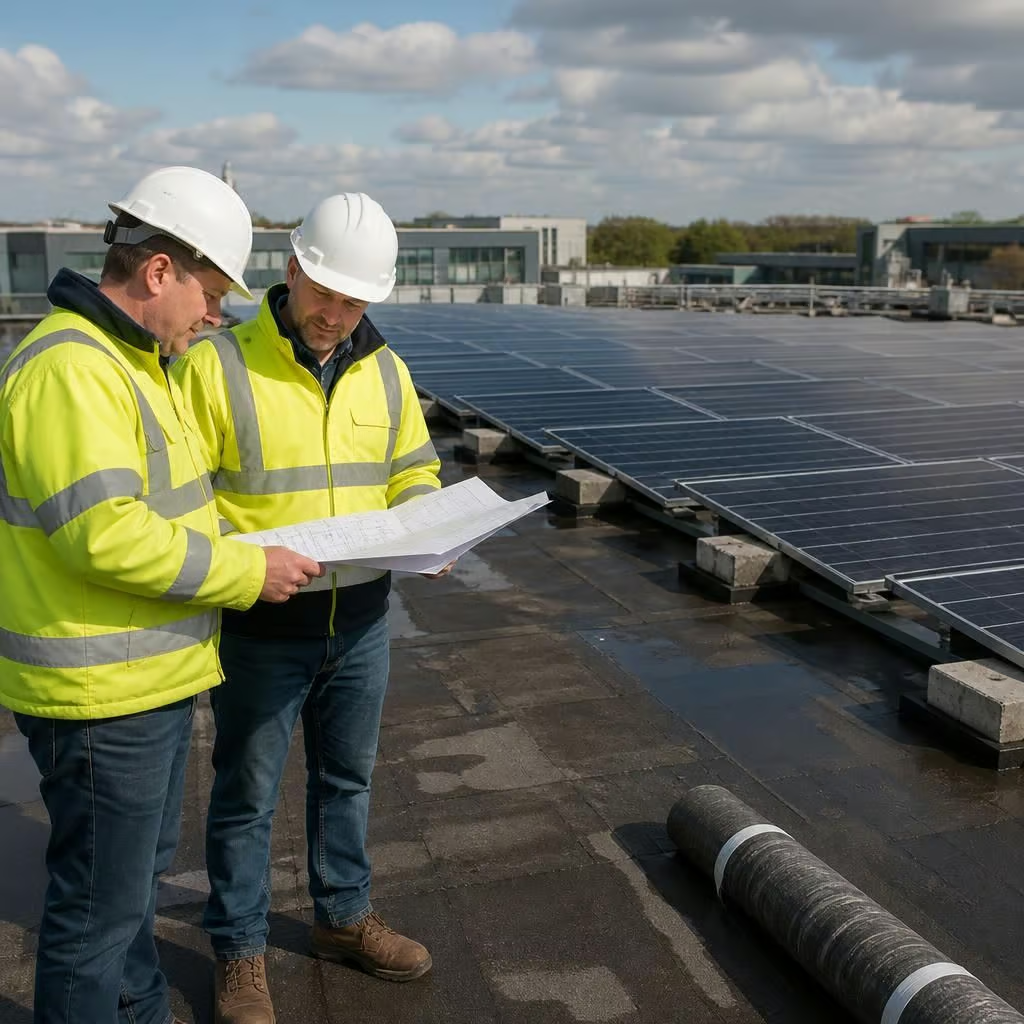
How should planned roof repairs affect commercial solar panel decisions?
Planned roof repairs should usually be completed before commercial solar panels are installed, so the system does not need removing or disrupting later. We assess the repair schedule, roof condition and access requirements first, then recommend whether to delay the installation, coordinate both projects or revise the panel layout.
Planned roof repairs can change the timing, layout and cost of a commercial solar installation. Treat the roof works and the PV project as linked decisions, rather than approving the panel design separately.
The first question is whether the repairs are cosmetic, localised or part of a wider roof renewal. Replacing a few damaged tiles may have little effect on the design. A new membrane, deck, covering or insulation build-up can change the fixing method, roof loading and available panel area.
Your survey information should therefore include the repair specification, roof drawings and any reports from the roofing contractor or structural engineer. We use these details to check:
- which roof sections will remain available for panels;
- whether the finished roof can accept the proposed mounting system;
- how the repair build-up affects fixings and waterproofing;
- whether roof falls, drainage routes or plant locations will change;
- where safe maintenance access can be retained; and
- whether the electrical design needs to be divided between roof areas.
A roof that is sound today may not be suitable for a solar array after the repair work. For example, a new covering may need different fixings, while additional insulation or a raised kerb can alter panel clearances. We confirm the finished arrangement rather than designing around a roof that is about to change.
Structural capacity also needs a fresh look. Solar panels add weight, and wind uplift creates forces at the mounting points. The roof structure, fixings and spacing must be considered together. We do not treat a previous roof inspection as automatically covering a new repair specification.
The repair programme can affect the commercial case as well as the construction programme. If part of the building will be inaccessible, the panel count may change. That can alter generation estimates, inverter selection, battery options and the amount of electricity available for on-site use. We update the design and financial assessment when the usable roof area changes.
Roof access should be agreed between the roofing and solar teams. Scaffolding, edge protection, lifting equipment and exclusion zones may be shared, but only if the sequence is planned properly. The roofing contractor must still be able to inspect and complete the repair, while the solar installation must not obstruct drainage, roof edges, access routes or future maintenance.
Waterproofing is a particular point to settle before work starts. The mounting approach must suit the roof covering and preserve the repaired areas. Penetrations, cable routes and weathering details should be shown on the installation plan, with responsibility for each detail clear between the roofing and solar contractors.
Some commercial roofs also have asbestos-containing materials, fragile coverings or restricted access. These issues need identifying before anyone plans lifting, drilling or walking routes. A separate asbestos survey or specialist roof assessment may be needed before the solar work can be specified safely.
Lease terms, insurer requirements and the roof warranty can affect the decision too. A landlord may need written approval before panels or fixings are added. The roofing manufacturer or contractor may need to approve the mounting method so that the repaired roof remains covered by its stated warranty. We flag these requirements before the design is treated as final.
If the repair date is uncertain, a staged approach may be more practical than committing to the full array immediately. We can keep the electrical capacity, cable routes or plant location under review while the roof scope is confirmed. That avoids making a final panel decision from incomplete information.
Before approving the solar installation, ask for a record that brings the two projects together. It should identify the final roof areas, mounting method, access arrangements, cable routes, structural assumptions, contractor responsibilities and any conditions from the roof warranty or insurer.
Once the repaired roof is complete, we verify that the installed condition matches the design before fixing the array. If the repair has changed the available area or roof details, we explain the effect on the panel layout and electrical equipment before proceeding. That leaves the commercial building with a solar system designed for the roof it actually has, not the roof shown in an earlier survey.
If the building is leased, planned roof repairs can affect more than the installation date. The landlord and tenant should agree who approves the roof work, who pays for related access and who owns the solar equipment.
Lease terms may also require the panels to be removed or the roof reinstated later. We factor those obligations into the commercial assessment, so the proposed system is judged against the building’s full ownership and repair arrangements.