
Can commercial solar be installed without disrupting business operations?
Yes. We survey the roof, electrical connection and access first, then plan the installation in stages around your operations to minimise downtime and identify any areas that need temporary access restrictions.
Commercial solar can usually be installed while the business continues operating. The main interruption is normally limited to agreed electrical isolations, access restrictions and any work directly below the installation area.
The survey identifies what could affect day-to-day operations before the quotation is prepared. We look at the roof construction, access routes, electrical intake, switchboard location and the space needed for inverters or batteries. We also consider staff, customer and delivery movements around the building.
If the roof is fragile, heavily occupied or difficult to access, the installation method may need changing. Scaffolding, edge protection or a mobile elevated work platform may be required. Where a roof needs structural assessment or specialist treatment, we explain that before work starts rather than discovering it during installation.
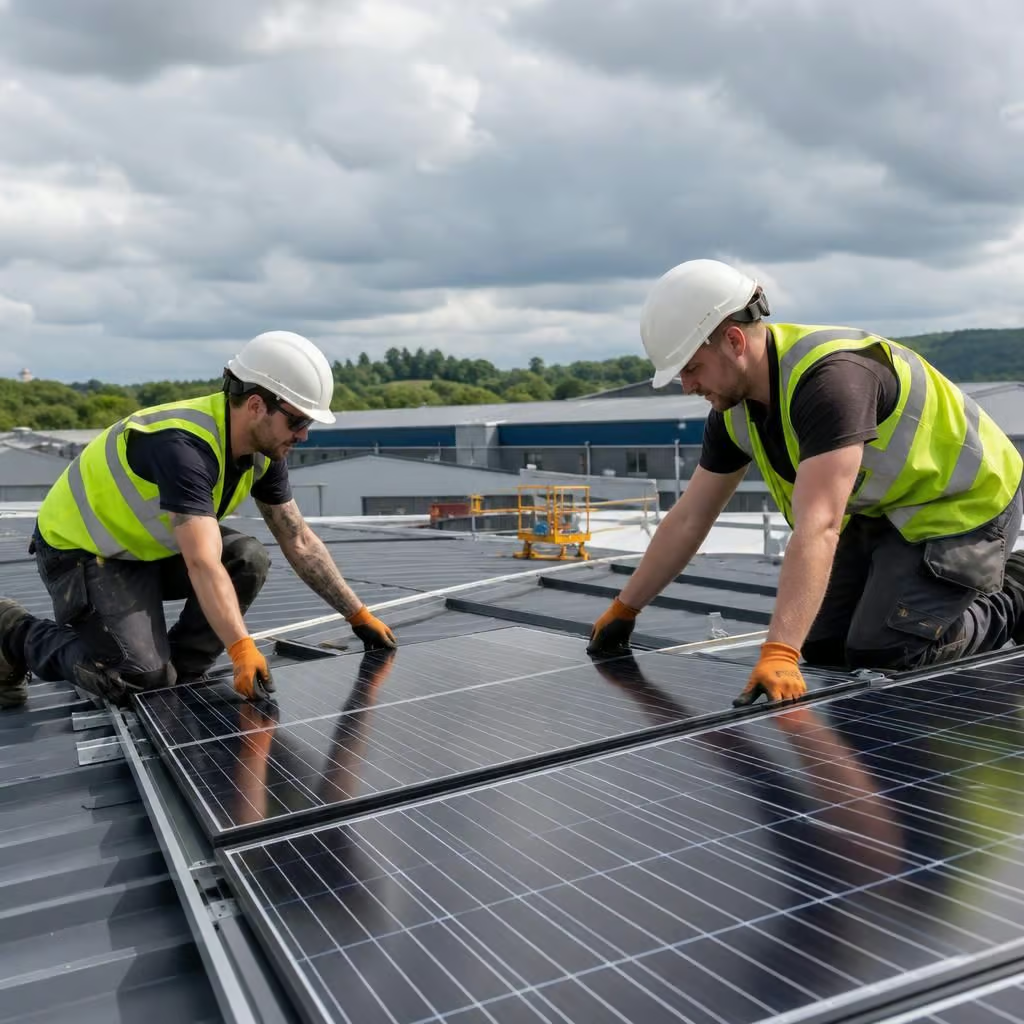
Roof access is often the most visible part of the work. Panels, rails and cabling need to reach the roof safely, so we agree where equipment will be unloaded and stored. A delivery route might affect a car park, loading bay or fire access route for part of the installation. We can then plan those restrictions with the people managing the site.
The electrical work needs separate planning from the roof work. Solar generation connects to the building’s electrical system, so parts of that system may need to be isolated while we make and test the connection. We agree the affected equipment and the expected interruption with you in advance. Critical machinery, servers, refrigeration and other sensitive loads can be identified during the survey.
Some businesses can keep their usual activities running while the roof team works above them. Others need a controlled exclusion zone below the work area, particularly where materials could fall or where customers and staff pass underneath. We set out those boundaries clearly, so you know which areas remain available and which must stay clear.
For a larger building, separate roof areas or electrical sections can sometimes be handled in stages. This can reduce the number of areas taken out of use at once, although the right approach depends on the roof layout, the electrical design and the business’s operating requirements. We explain the effect of each option before you choose the installation plan.
- Before work: we confirm access, parking, delivery arrangements, roof risks, working areas and any site rules.
- During roof installation: the work area is controlled while panels, mounting equipment and cables are fitted.
- During electrical connection: agreed circuits or equipment are isolated, connected and tested safely.
- At completion: we remove installation materials, check the system and provide the relevant handover information.
Weather can affect roof work, especially when surfaces are wet, icy or exposed to strong winds. We do not treat an unsafe roof as a reason to press ahead simply to maintain a programme. If conditions affect the planned sequence, we explain the change and protect the building and its occupants.
Solar does not remove the need to understand how the building uses electricity. We review the operating pattern during the survey so the system can be considered against daytime demand, storage and possible export. That matters for businesses with changing shifts, seasonal activity or equipment that cannot be interrupted.
Where the installation changes the site’s connection to the electricity network, the required technical checks and notifications form part of the design process. We also check whether the existing consumer units, distribution boards and cabling are suitable. If they need upgrading, you receive that information before work begins, along with its effect on the programme.
At the end, we test the installation and confirm that the controls, monitoring and electrical protection operate correctly. We provide the system information needed by the person responsible for the building, including the equipment layout and relevant electrical documentation. This gives your facilities or property team a clear record of what was installed and how it was connected.
The least disruptive installation is planned around the building rather than treated as a standard roof job. A detailed survey and an agreed site plan show where access, safety controls and electrical isolations could affect operations, so the business can make an informed decision before committing to the work.
If the inverter or cable route needs to pass through an occupied part of the building, that can be planned before installation starts. We identify the affected rooms, corridors or work areas and agree how people will move around them.
Where practical, cabling is routed through less disruptive areas, with any necessary access restrictions limited to the work taking place. You can then brief staff, tenants or visitors clearly instead of discovering an obstruction on the day.
Discuss a commercial solar installation plan
If you’re considering commercial solar, contact us to discuss the building, its operating requirements and the least disruptive installation plan. We can then arrange a site survey and explain the access arrangements, electrical isolations and any staged work before you decide.