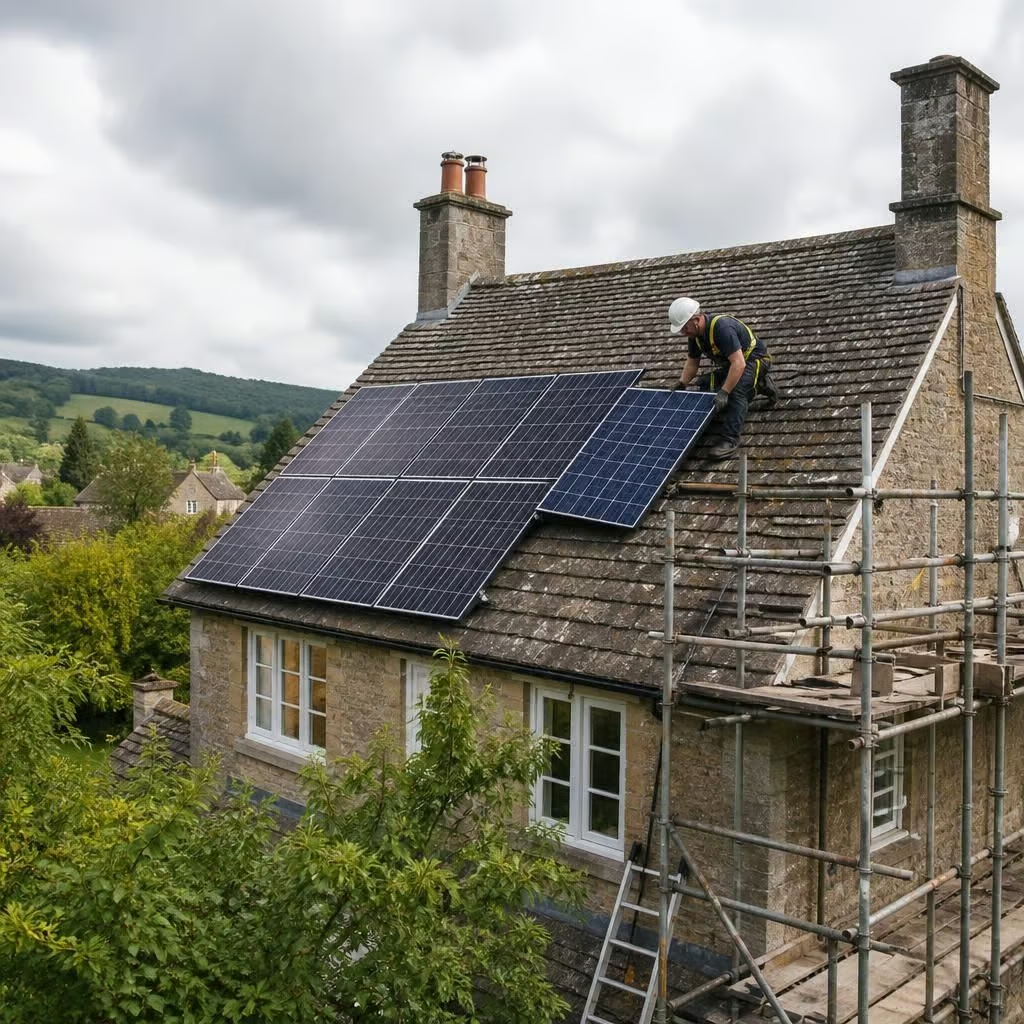
Are solar panels suitable for an older home?
Yes. An older home can be suitable for solar panels, provided we check the roof’s condition and structure, available sunlight, and whether the existing electrical system can safely accept the installation.
An older property can make good use of solar power, but the panels are only one part of the decision. The condition of the roof, the way the house uses electricity and the practical route for the cabling all affect the right system.
Roof condition matters before installation. If tiles, slates, felt or timbers need attention, repairing them first is usually more sensible than fitting panels and later removing them for roof work. Older roofs can also have unusual coverings or fragile materials, so we assess how the fixing system will work without causing damage. The survey also considers access for scaffolding and whether the roof can carry the installation safely.
Older houses often have several roof additions, dormers, chimneys or lower extensions. These can divide the available area into smaller sections and affect how the panels are connected. A system may still work well, but the design needs to account for the different roof planes rather than treating the whole roof as one simple surface.
The house’s electricity use is just as important as its roof. A home with occupants out during the day may use less of its solar generation directly. A battery can store some of that generation for later, although it adds cost and needs a suitable location. We look at the household’s consumption pattern, planned changes such as an EV charger, and whether exporting unused electricity is likely to form part of the system’s value.
Solar panels will not remove the need for a boiler, oil or LPG system, or another heat source. They generate electricity rather than heat for radiators. If the main aim is to reduce heating costs, we separate that decision from the solar design so the system is not expected to do a job it cannot do.
Older wiring does not automatically rule out solar. The existing installation may need remedial work before it can safely accept new equipment. We check the relevant protective devices, earthing, consumer unit and cable routes, then explain any work that is necessary. This avoids assuming that a complete rewire is needed when a smaller alteration may be enough.
The inverter and other equipment need a suitable position with ventilation and reasonable access. In an older home, that may mean working around exposed beams, thick walls, limited service cupboards or a detached outbuilding. We plan the cable route before installation so the finished work is tidy and the equipment remains serviceable.
Listed and rural properties need a more careful design conversation. The appearance of panels, the position of equipment and the route into the building may be restricted. We can identify these issues during the survey, but the relevant planning or building requirements still need to be followed before work starts. Properties with thatched roofs require particular caution and may not be suitable for a standard roof-mounted system.
An off-gas-grid property can still use solar if it has a suitable electrical connection. Solar alone normally does not make a home independent from the grid, especially during periods of low daylight and high winter demand. If greater independence is important, we discuss battery storage and the limits of the proposed system rather than presenting solar as a complete replacement for grid electricity.
The installation is planned around the building, not just the equipment. We establish where scaffolding can stand, how roof access will be managed, where the inverter and battery could go, and how the cables will enter the house. The work may involve access equipment and a small amount of internal installation, but the survey gives you a clear picture of the disruption before you decide.
Older homes can also have less predictable construction. Thick masonry, filled cavities and previous alterations may affect drilling and cable routes. Our electricians adapt the installation to the building and explain any choice that affects appearance, access or future maintenance.
The quotation should include the parts that are easy to overlook. For an older home, that may include roof repairs, access equipment, cable protection, alterations to the electrical installation, a battery, monitoring equipment or work needed to connect with the grid. We provide the quotation before work begins, so the decision is based on the complete installation rather than a panel-only price.
Our MCS certification means the completed solar installation can be certified for the Smart Export Guarantee, subject to the export supplier’s requirements. We explain the certification and handover paperwork so you know what is needed if you choose to register for an export tariff. We also calculate the likely use of the electricity, battery operation and export for the property rather than quoting a general saving or payback period.
For many older homes, the sensible next step is a survey that answers four practical questions:
- Can the roof and its covering accommodate the panels without bringing forward roof work?
- Can the existing electrical installation accept the inverter and any battery safely?
- Where can the equipment and cabling go without damaging the character of the house?
- Will the system match the household’s electricity use, future plans and export arrangements?
If those points work together, the age of the property is usually a design consideration rather than a barrier. If they do not, we explain what would need changing and whether solar remains a sensible investment for the house.
If the main roof isn’t suitable, that doesn’t always end the discussion. A garage, extension or suitable ground-mounted position may provide another place for the panels, subject to planning requirements, shading and a safe cable route.
This can help older homes where the principal roof has fragile coverings, an unsuitable aspect or restrictions on its appearance. We compare the available locations and explain how each would affect the system design, installation work and likely use of the electricity before you decide.