
How much do home solar panels cost?
Home solar panel costs vary with the size of the system, roof access, electrical work and whether you add battery storage. We assess those factors at your property, explain any eligible grant or export options, and provide a written quotation before work starts.
There isn’t one standard price for home solar panels. The cost comes from the amount of electricity the system needs to generate, the way the roof can be used, the condition of the electrical installation and whether battery storage is included. A smaller, straightforward roof may need little work beyond the panels and inverter. A larger or more complicated property may need extra equipment, access work or electrical upgrades.
The panels are only one part of the installation. A complete quotation may include the solar panels, inverter, mounting system, generation meter, isolators, cabling, scaffolding and commissioning. It should also explain any design work, electrical alterations and grid notification required. If a battery is included, the quotation should show its cost separately so you can compare the panel system with the storage option.
We design the system around how the home uses electricity rather than filling every available roof space. Your daytime demand, roof orientation, shading and future plans all affect the useful size. A system that produces more electricity than the home can use may export more power, but it can also cost more than a system matched to the household.
Battery storage usually increases the initial cost, but it changes how the system operates. Without a battery, surplus solar electricity can be exported when nobody is using it. With storage, some of that generation can be held for later use, such as during the evening. The right choice depends on your electricity use, tariff, export arrangements and the battery capacity that can be used sensibly. A larger battery is not automatically better if the panels and household cannot regularly charge it.
We show the solar-only and battery options separately where both are worth considering. That lets you judge the extra cost against the way your home uses electricity, rather than treating storage as an automatic part of every installation.
Roof access and the roof itself can affect the price. Scaffolding, awkward access, several roof areas or a long cable route can add work. We also need to consider the roof covering, available fixing points and the position of the inverter. If the roof needs repair or replacement, it may be more sensible to deal with that before fitting the panels. Paying for panel removal and refitting later can make a low initial quote more expensive overall.
Older homes need a closer look at the electrical installation. The consumer unit, earthing, bonding, cable routes and space for the new protective equipment all matter. If the existing installation cannot safely accept the system, we explain the required work before installation starts. That might be a relatively small alteration or a larger upgrade, depending on the condition of the wiring.
Older and rural properties are not automatically unsuitable. Solid-wall houses, barn conversions and properties away from the gas grid can all have workable solar arrangements. The important points are the roof, shading, electrical system, planning position and the household’s electricity use. Listed buildings, properties in sensitive locations or homes with unusual roof structures may need additional checks or permission before work proceeds.
We look at those practical details during the survey. You receive a design showing where the panels, inverter and battery would go, along with the work needed to connect them safely. We can then explain which parts are essential, which are optional and which improvements would be better postponed.
Installation labour and disruption should be included in the cost comparison. Most of the work takes place at roof level and around the electrical equipment. The team needs safe access to the roof, a route for cables and a suitable location for the inverter and any battery. There may be drilling and short periods when the electricity supply is isolated. We explain the sequence before work begins and leave the affected areas tidy.
The final price should also make clear what happens after the panels are fitted. Commissioning, monitoring setup, handover information and the relevant electrical and grid paperwork form part of a properly completed installation. Your quotation should identify anything that is excluded, such as roof repairs, asbestos-related work or remedial wiring found after access is gained.
Savings and payback depend on the property, not a headline estimate. We work from the expected generation, the electricity the home can use directly, any battery storage and the export arrangement. Your future electricity use also matters. A household that uses more power during daylight may benefit differently from one that is usually empty until evening. The calculation should show its assumptions so you can see how a change in usage or export terms would affect it.
MCS certification matters when you are comparing installations. It allows us to make an application on your behalf for the Boiler Upgrade Scheme where that scheme applies to an eligible heat pump installation; it is not a solar-panel grant. For solar and battery systems, MCS certification makes the installation eligible for the Smart Export Guarantee, subject to the scheme’s requirements and the export tariff you choose. Tariffs and scheme rules can change, so we check the current position rather than build an outdated figure into the calculation.
A useful solar quotation should let you compare like with like. Check that each quote states the panel capacity, inverter and battery details, expected generation, access arrangements, electrical work, commissioning and paperwork. Ask whether the proposed system is sized for your actual use and whether the roof has been inspected. A lower figure may leave out the consumer unit work, scaffolding, monitoring or battery installation that another quote includes.
We provide a written design and quotation after assessing the property. If solar panels are not the right investment for the roof or electricity use, we explain why. If the system is suitable, you can see what you are paying for before deciding whether to proceed.
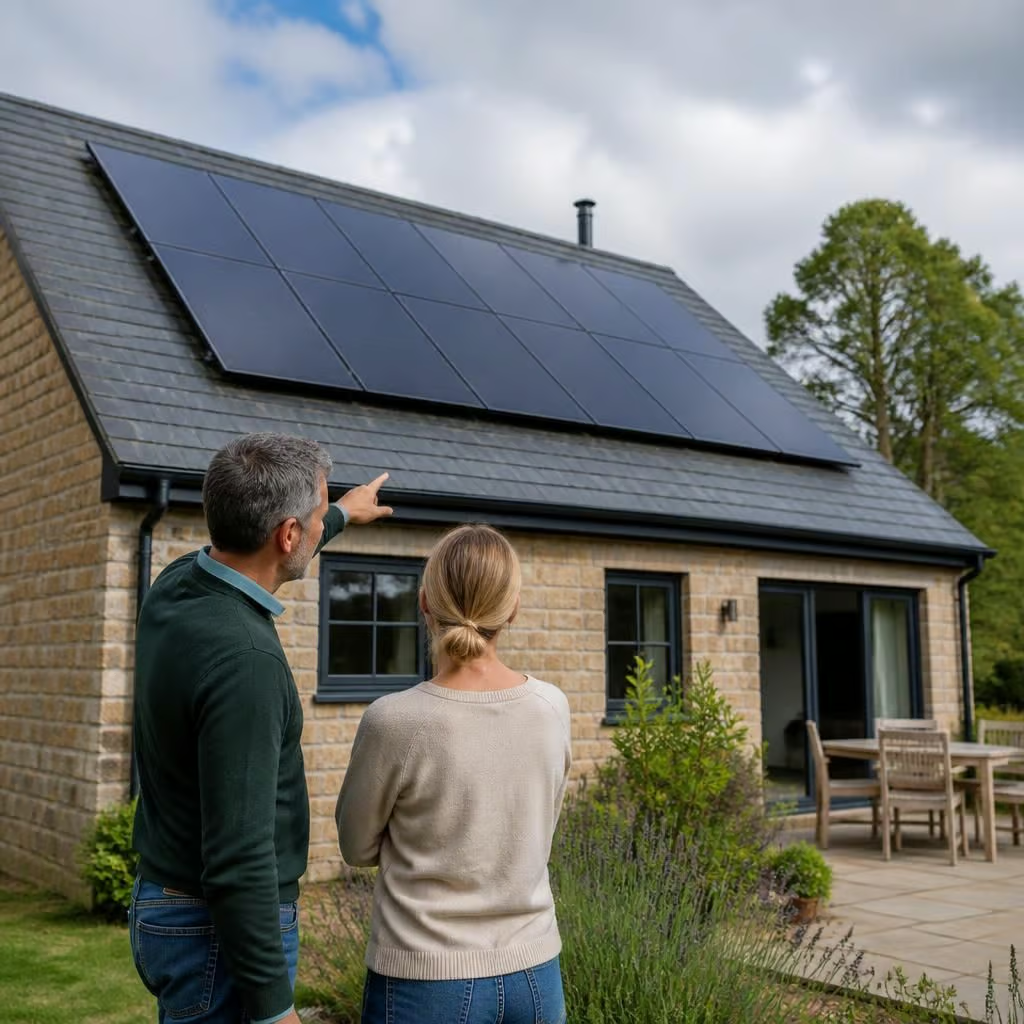
The price should reflect the electricity your household can use, not simply the number of panels on the roof. A system designed around daytime demand may need fewer panels or a smaller battery than one designed for a home that uses most of its electricity in the evening. We use the survey and your usage pattern to show how the proposed system is expected to operate, so the cost relates to equipment that can be useful in your home.