How disruptive is off-grid solar installation?
Off-grid solar installation is normally a planned, contained job, with the main disruption coming from roof access, cable routes and fitting the inverter, batteries and controls. We explain the work sequence beforehand, plan any power interruptions with you and leave the property tidy when the system is commissioned.
For most homes, off-grid solar installation is manageable disruption, but the amount of work depends on the roof, battery position and cable routes. The main work takes place in agreed areas, with the more disruptive parts usually being access equipment, drilling and any trenching between buildings.
The roof work involves fixing the panel mounting system, fitting the panels and routing the cables into the property. Scaffolding or other access equipment may be needed where the roof cannot be reached safely from ground level. On a steep, fragile or unusual roof, the access arrangements may take more planning than the panel fitting itself.
Your roof covering affects how carefully we approach the installation. Older tiles, slate, thatch or roofs with historic construction need suitable fixing methods and extra protection. We identify these constraints before work starts rather than discovering them once the roof is open.
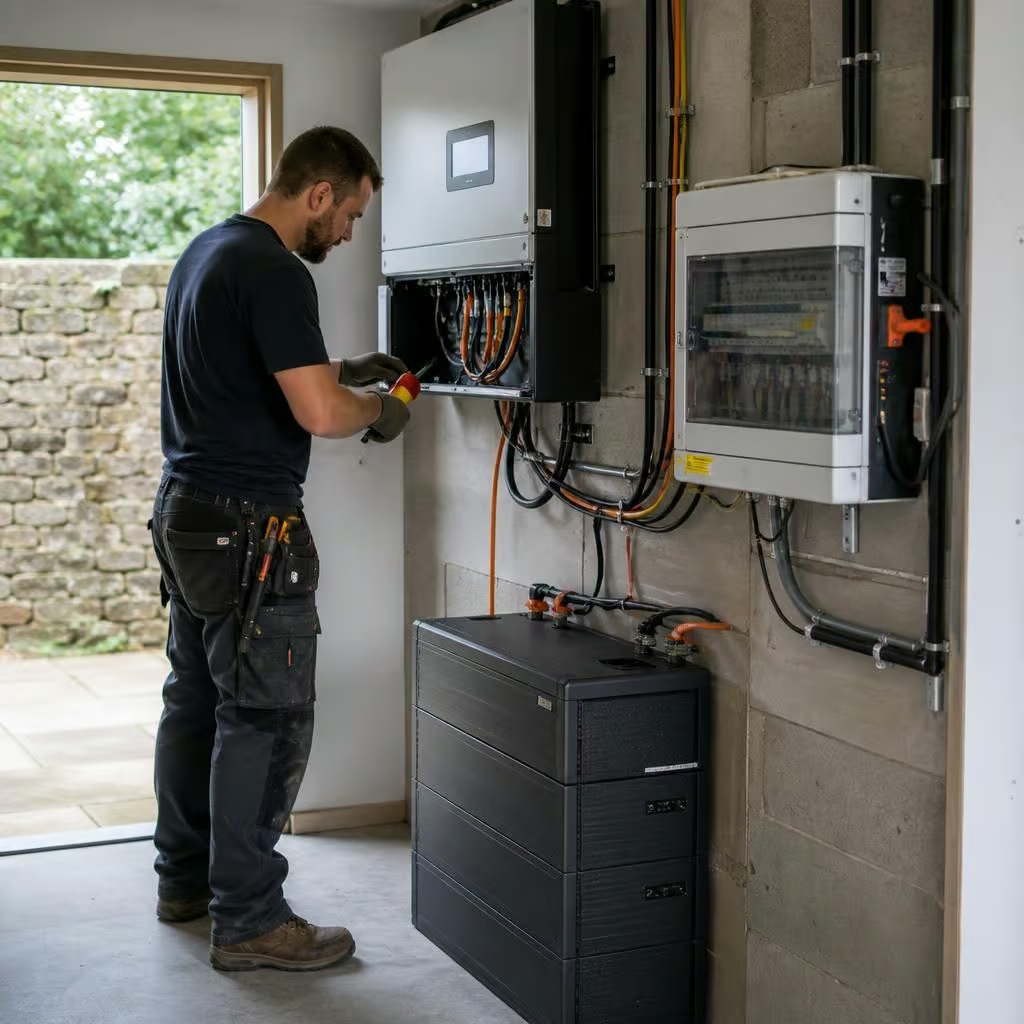
Inside the property, we install the inverter, battery and control equipment in the agreed location. This may be a utility room, garage, outbuilding or another ventilated space. We need clear access around the equipment, and the location must remain suitable for inspection and maintenance.
Long cable runs can create more disturbance than the panels. If the battery is in an outbuilding, we may need to route cables through walls or install ducting between buildings. A detached outbuilding may also require trenching across part of the ground. We explain the proposed route before work begins, including where surfaces may need to be lifted and reinstated.
Electrical work can involve a temporary interruption to the supply. We tell you when this is needed so you can plan around it. If the existing consumer unit, earthing or cabling cannot safely support the new equipment, we explain the required upgrade before proceeding. That work is part of making the system safe, not an optional extra discovered at the end.
During installation, the team normally works through a clear sequence:
- protecting floors, work surfaces and access routes;
- installing the roof mounting system and panels;
- routing the solar cables to the inverter and battery;
- connecting the equipment to the electrical system;
- checking communications, battery operation and system controls;
- testing the installation and explaining how to use it.
The installation schedule depends on the number of panels, the building layout, the battery location, access and any electrical or ground work. We confirm the expected sequence after the site survey, when we know whether scaffolding, internal cable routes or trenching are required.
An occupied home can usually remain in use around the work, although some areas may need to stay clear while equipment is installed. Noise is mainly associated with drilling, fixing and cable routes. If the battery or inverter is planned near a living area, we discuss its position carefully so the finished system fits the way you use the house.
Older and rural properties often need more consideration because walls may be solid, roofs may have been altered and outbuildings may be some distance from the main house. That does not automatically make installation impractical. It means we need to plan the route and fixing method around the building rather than assume a standard layout.
Once the system is connected, we test how the panels, battery, inverter and off-grid controls work together. We also check the changeover or backup arrangements where these form part of the design. You receive an explanation of the controls and the relevant installation paperwork, so you know what has been fitted and how it should operate.
The most accurate way to judge disruption is to assess the property before accepting a quotation. A survey identifies access, roof condition, equipment locations and cable routes, allowing the work to be planned before anyone starts drilling or lifting surfaces.
The least disruptive equipment location is not always the most convenient one. Placing the inverter and battery closer to the consumer unit can shorten internal cable routes, while an outbuilding may keep equipment away from living areas but require ducting or ground work.
During the survey, we compare these options with you and mark where cables, access equipment or surface work would be needed. That lets you choose the layout with a clear understanding of the work involved, rather than finding out once installation has started.