Is my home suitable for an off-grid solar system?
Many homes can support an off-grid solar system, provided there is suitable space for panels, enough sunlight and room for battery storage. We assess the property’s energy use, roof or ground area and seasonal generation before confirming whether the system can meet your needs reliably.
An off-grid solar system is suitable when the property can generate and store enough electricity for its real demand, including darker winter periods. The decision depends on more than the roof. We look at how the home is built, how electricity is used, what backup is acceptable and how the system can be maintained.
Solar generation throughout the year
Summer production can look impressive, but winter usually determines whether a home can operate independently. Shorter days, low sun and periods of cloud reduce generation. A property that uses electricity for heating, hot water, cooking or vehicle charging needs a larger system than a home with modest demand.
We work from the household’s actual and expected electricity use rather than a standard package. We also consider seasonal changes, such as higher heating demand in winter or an electric vehicle being charged at home. This shows whether solar generation and battery storage can cover normal use or whether the design needs another source of backup.
The roof and its surroundings
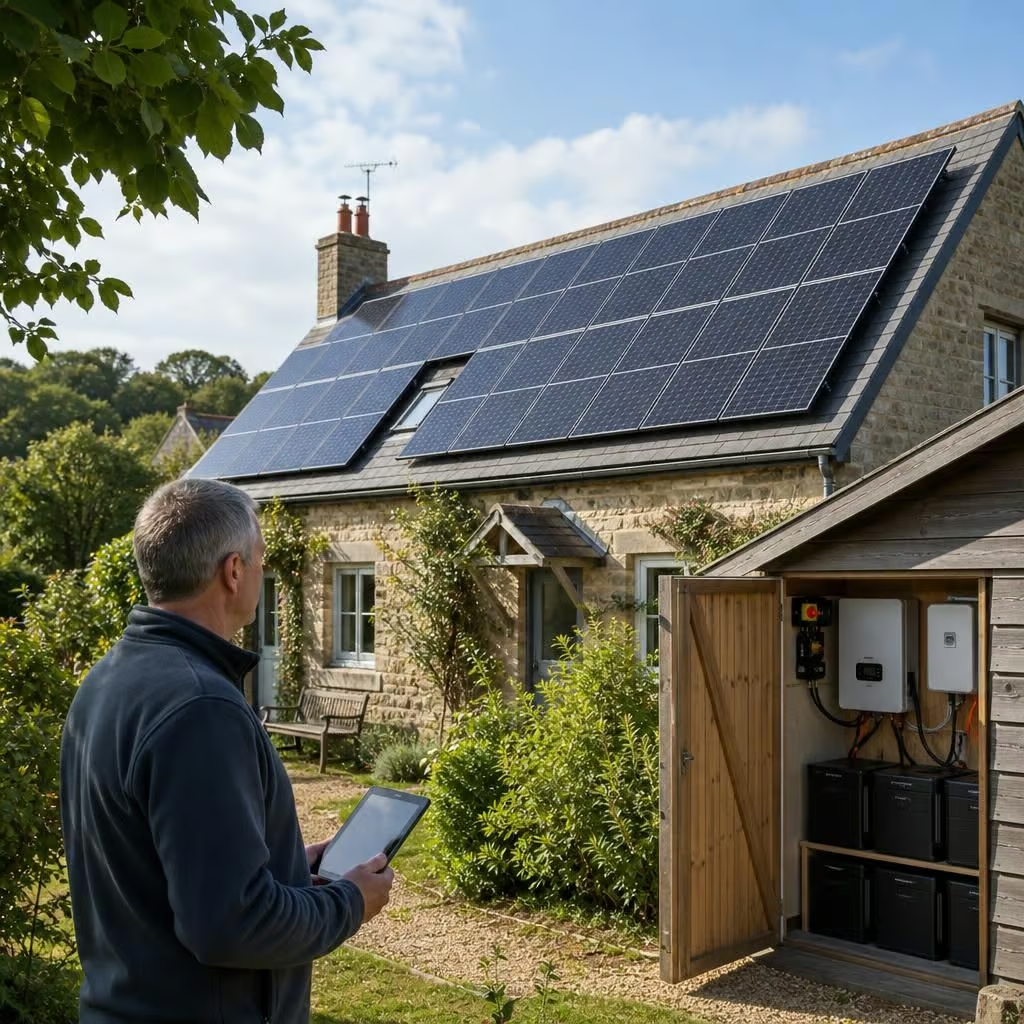
Roof direction, pitch, shading and usable area all affect output. Trees, chimneys, dormers and nearby buildings can reduce generation at particular times of day. A large roof is not automatically a suitable roof if much of it is shaded or divided into awkward sections.
Older homes need a closer look at the roof structure and the route for cables. A barn conversion, solid-wall house or listed building may still work well, but the installation may need careful positioning and planning consideration. We identify restrictions before recommending equipment, rather than assuming that every available roof area can be used.
Battery storage and household demand
Panels only generate electricity when there is enough daylight. Battery storage lets the home use more of that energy after sunset, but it cannot create electricity during a long period of poor weather. Its capacity must suit the home’s demand and the amount of energy the panels can realistically produce.
Large loads need particular attention. Electric heating, immersion heaters, pumps, refrigeration, workshop equipment and EV charging can draw substantial power, especially when they run together. We assess both total daily use and the highest simultaneous demand. That helps us specify an inverter and battery system that can handle the home’s electrical requirements without treating every appliance as a separate problem.
Some homes benefit from changing when high-demand appliances run. We explain those practical limits as part of the design, so the system reflects how the household will actually live rather than an idealised usage pattern.
Wiring, earthing and equipment locations
An independent system still needs safe, well-planned electrical connections. The consumer unit, earthing arrangement, cable routes and available space for protective equipment all matter. An older installation may need electrical work before the solar system can be connected safely.
The battery needs a suitable location with enough clearance, protection from unsuitable temperatures and access for inspection. It should not be placed wherever there happens to be a spare corner. We consider the distance between the panels, inverter, battery and main electrical equipment because cable routes affect both installation work and system performance.
What off-grid operation changes
A fully off-grid home cannot rely on the electricity network when the battery is empty or solar production falls short. That makes resilience different from a grid-connected solar installation with battery backup. The system needs a clear plan for prolonged low-generation periods, including the loads that must remain available and the loads that can be reduced or switched off.
We discuss the role of backup generation where the property’s demand or location makes it sensible. The aim is not to oversize equipment without reason. It is to make the limits clear and choose a system that can support essential electricity use in the conditions the home is likely to face.
Planning and property restrictions
Planning rules, conservation requirements and listed-building controls can affect panel positions, external equipment and cable routes. These issues matter particularly for older rural properties and converted agricultural buildings. We flag the points that need checking before installation work is planned.
Grid independence also affects future plans. A home may be suitable for off-grid operation now but need a different design if the owners later add an EV, electric heating or a larger workshop. We allow for the stated requirements and discuss likely changes before the equipment is selected.
How we decide
We bring the property, electricity use and practical constraints together in the design. That may lead to a fully off-grid recommendation, a system with defined limits, or the conclusion that remaining connected to the grid is more sensible. An honest assessment is important because off-grid equipment should be sized around the difficult periods, not just the brightest days.
Where the installation is eligible, MCS certification supports the relevant paperwork and allows an eligible grid-connected renewable system to be considered for the Smart Export Guarantee. A genuinely off-grid system has no grid electricity to export, so export payments do not form part of that design.
The result is a clear view of what the home can support, which appliances may need managing and what additional work the property needs before installation. We provide that information before you decide whether independent solar generation fits the way you use the house.
Your home may be suitable for off-grid solar without running every circuit at full power. Many households prioritise refrigeration, lighting, communications, heating controls and water pumps over workshop equipment or high-demand appliances.
We map those priorities before designing the system. That can allow essential circuits to remain available while heavier loads are managed separately. You then know what the battery can support, which appliances need planning and what happens when stored energy is low.