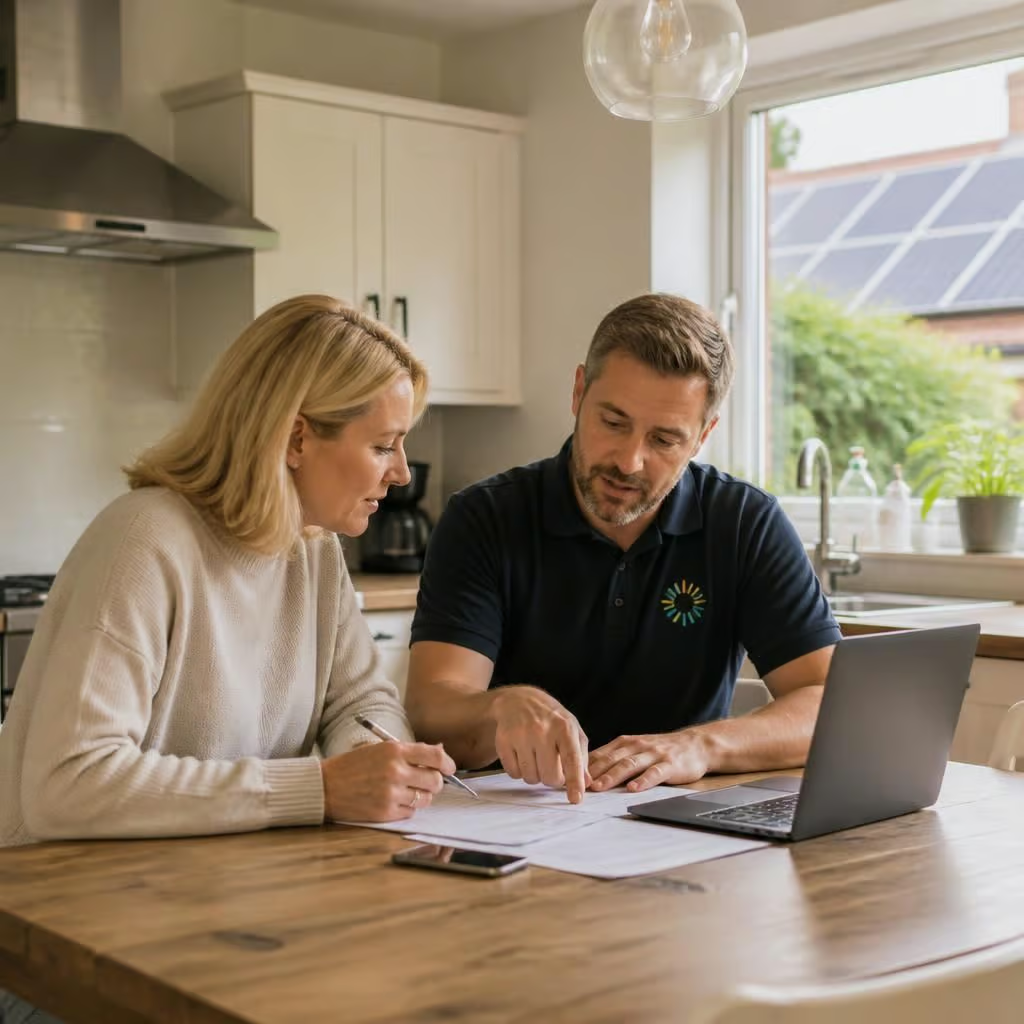
Are solar panels suitable for my home?
Solar panels can suit many homes, including older and rural properties, but roof condition, orientation, shading, available space and the electrical system all matter. We assess those factors alongside your electricity use, so you can decide whether solar generation, battery storage or neither is sensible for your home.
Solar panels are suitable for many homes, but the right system depends on the roof, the available sunlight, the electrical installation and how the household uses electricity. A good roof alone does not make an installation worthwhile. We look at the whole property before recommending panels, battery storage or either separately.
The roof and its condition
Your roof needs enough usable space for the number of panels the home can sensibly support. Orientation and pitch affect generation, but a roof does not need to face exactly south. East- and west-facing roofs can also work, particularly when they match the times of day when electricity is used.
Roof condition matters as much as roof direction. If tiles, slates, felt or timbers need attention, completing that work before installing panels can avoid later removal and refitting. We also consider the roof covering, fixing points, access and the route for the cabling. Older homes, barn conversions and extensions can have several roof types, so we assess each usable roof face rather than relying on a satellite image.
Shade can change the result
Chimneys, trees, dormers, neighbouring buildings and roof features can shade part of an array. A small amount of shade at one time of day may have little effect, while regular shading across several panels can reduce the value of the installation. We assess how the sun reaches the roof and explain where shading affects the design.
Panels do not always need to cover the entire roof. A smaller array on the least shaded section may be more sensible than filling every available space. Where roof faces receive sunlight at different times, the design can reflect the household’s pattern of use rather than simply maximising the panel count.
Your electricity use is part of the decision
Solar power is most useful when the home can use more of its generation directly. Daytime electricity use from appliances, heating controls, hot water or an electric vehicle can affect the value of an array. A home that is empty through the day may use less solar directly, although battery storage can move some generated electricity to later in the day.
We use the household’s electricity consumption and plans for the property when we discuss system size. A larger array is not automatically better if much of its generation would be exported. The right choice may change if you are considering an EV charger, a heat pump, battery storage or a change to how the home is heated.
Battery storage is optional
Solar panels and a battery are separate decisions. A battery can store some surplus generation for use when the panels are producing less, but it adds equipment, cost and design considerations. It may be more relevant where daytime electricity use is low, or where the home needs electricity in the evening.
We compare the likely use of the battery with the expected solar generation rather than adding one automatically. The battery location, ventilation, cable routes and electrical capacity all need checking. If you already have panels, we can consider whether the existing system can work with a battery and what additional equipment may be required.
Older and listed properties need more care
An older house is not automatically unsuitable. We regularly consider properties with mixed roof coverings, solid walls, extensions and unusual construction. The practical questions are the roof structure, the fixing method, cable routes, the position of the inverter and the effect on the appearance of the building.
Listed buildings and homes in conservation areas may need planning consent or other approval. The position of the panels, visibility from public areas and the effect on the building can all matter. We discuss these constraints before work is agreed, but the relevant planning authority makes the final decision. Panels may need to be placed on a less visible roof face, or the property may not be suitable if the necessary permissions cannot be obtained.
The electrical installation must support the system
The panels connect to the home’s electrical installation through an inverter. We check the consumer unit, earthing, protective devices, cable routes and the available space for the equipment. An older installation may need electrical work before it can accept a new generation system.
The local electricity network can also affect the design. The distribution network operator may need information about the proposed system, particularly where export to the grid is involved. We identify the required application and certification as part of the installation process, rather than leaving the paperwork for you to resolve.
Our MCS certification means we can make a Boiler Upgrade Scheme application where that scheme applies to an eligible renewable installation, and it allows the installation to qualify for the Smart Export Guarantee. Export payments, eligibility and tariff terms can change, so we explain the current position for the system being considered rather than using an assumed figure.
What we check before recommending panels
- the roof’s direction, pitch, usable area and condition;
- shade from trees, chimneys, buildings and roof features;
- the structure and fixing method needed for the roof covering;
- the consumer unit, earthing, protective equipment and cable route;
- where the inverter, isolators and any battery could be installed;
- the home’s electricity use and likely future changes;
- planning, conservation or listed-building restrictions;
- the grid connection and export requirements; and
- whether the expected benefit justifies the cost of the proposed system.
What installation involves
Most of the work takes place externally on the roof, with additional electrical equipment installed inside or near the property. We agree the equipment positions and cable route before work starts. That helps avoid a system that performs well but leaves visible cables or equipment in an inconvenient place.
Roof access, scaffolding and the distance between the panels, inverter and consumer unit affect the work involved. A complicated roof, several roof faces or a long cable route can make an installation more disruptive. We set out the proposed work and provide a written quotation before anything starts, so the scope and cost are clear.
When solar may not be the right choice
Solar PV may not be worthwhile where the roof is heavily shaded, too small, in poor condition or subject to restrictions that prevent a suitable layout. It may also be the wrong priority if the electrical installation needs substantial work first. In those circumstances, we explain the limitation rather than recommending equipment simply because the roof has space.
The same applies when a battery would add complexity without a clear use for the stored electricity. A survey can show that panels alone, panels with storage, or no installation at present is the most sensible outcome. The decision should follow the property and the way electricity is used, not a standard package.
We can assess the roof, electrical installation and household requirements together, then explain the options in terms of generation, storage, export, disruption and cost. That gives you the information needed to decide whether solar panels are suitable for this home.
A solar array should match how your home uses electricity, not simply fill the available roof space. We compare the proposed generation with your household’s actual demand and likely changes, such as an EV charger, battery or different heating system. That helps show whether a smaller array, additional storage or no installation is the sensible choice.
You receive a recommendation based on the property and its expected use, rather than a standard panel package. If the likely benefit does not justify the work and cost, we’ll explain that before you commit.